Cordia sellowiana
Cham.
Jurute, Jurete
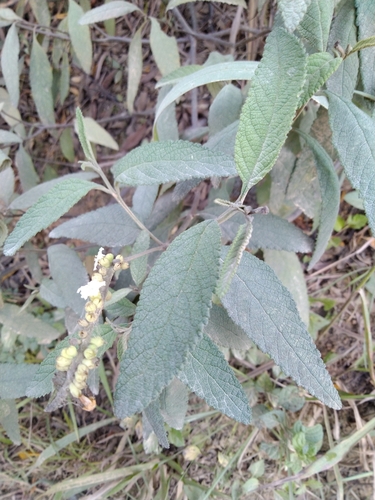
iNaturalist· cc-by-nc
(c) akarena, some rights reserved (CC BY-NC)
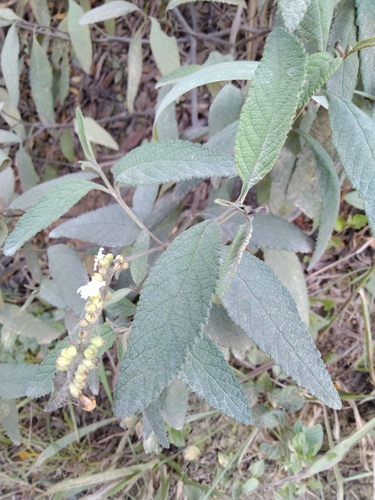
iNaturalist· cc-by-nc
(c) akarena, some rights reserved (CC BY-NC)
iNaturalist· cc-by-nc
(c) akarena, some rights reserved (CC BY-NC)
Description
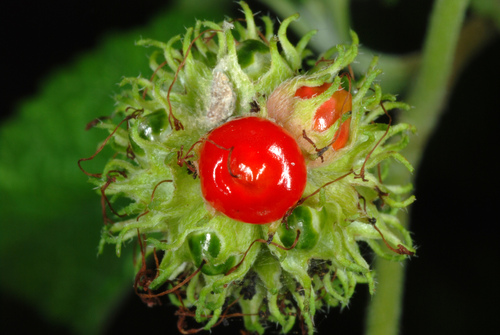
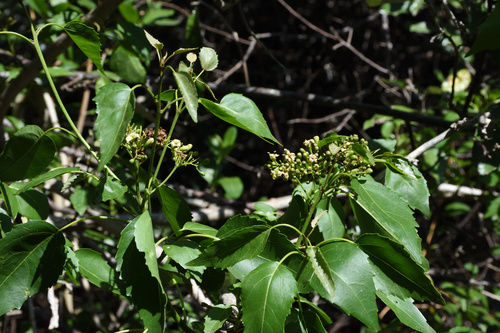
A tree. It grows 8-14 m high. The trunk is 30-50 cm across. The leaves are simple and alternate. They are rough and are lighter underneath. The leaves are 8-15 cm long. The flowers are at the ends of branches and in groups with branched stalks. The flowers are creamy white. The fruit is round and yellow. It has sticky pulp.
Edible Uses
Fruit - raw or cooked. The yellowy-brown, globose fruit can be 15mm in diameter, It has a sticky, succulent pulp. We have seen no sother pecific information for this species. The fruits of most Cordia species are comprised of a thin to fairly thick layer of pulpy, sweetish-tasting flesh surrounding a single seed and are more or less edible, (though some are known to cause gastric disturbances).
Traditional Uses
Amazon, Bolivia, Brazil, South America,
This uses section is brief — help expand it
Medicinal Uses
The leaves are tonic. They are taken as an aid to slimming. (As Cordia obscura)
Distribution
A tropical plant. It does best in deep soils.
Where It Grows
Mainly found in semi-deciduous, broadleaved forests, both in primary and secondary formations.
Cultivation
Grows best in a sunny position. Prefers a deep soil that is well-drained. When planted in fertile soils, newly planted young trees grow away quite quickly, easily reaching 3 metres within 2 years. Plants can commence fruiting when 3 years old.
Propagation
Seed - it has a short viability of less than 5 months. Sow as soon as possible in a semi-shaded position in a nursery seedbed or in individual containers. Germination rates are generally low, with the seeds sprouting within 20 - 40 days. Transplant nursery bed seedlings to individual containers when they are 5 - 7cm tall. They should be ready to plant out 4 - 6 months later.
Other Uses
The wood is light in weight, of low durability when exposed, easy to work with. It can be used for internal works, cabinet making and general carpentry. A fairly fast-growing tree, producing an edible fruit that is much liked by the native fauna. It is a natural pioneer within its native range.
Also Known As
Cha-de-bugre, Freijo, Mata fome
References (4)
- Kermath, B. M., et al, 2014, Food Plants in the Americas: A survey of the domesticated, cultivated and wild plants used for Human food in North, Central and South America and the Caribbean. On line draft. p 263
- Lorenzi, H., 2002, Brazilian Trees. A Guide to the Identification and Cultivation of Brazilian Native Trees. Vol. 01 Nova Odessa, SP, Instituto Plantarum p 88
- Martin, F. W., et al, 1987, Perennial Edible Fruits of the Tropics. USDA Handbook 642 p 93
- www.colecionandofrutas.org