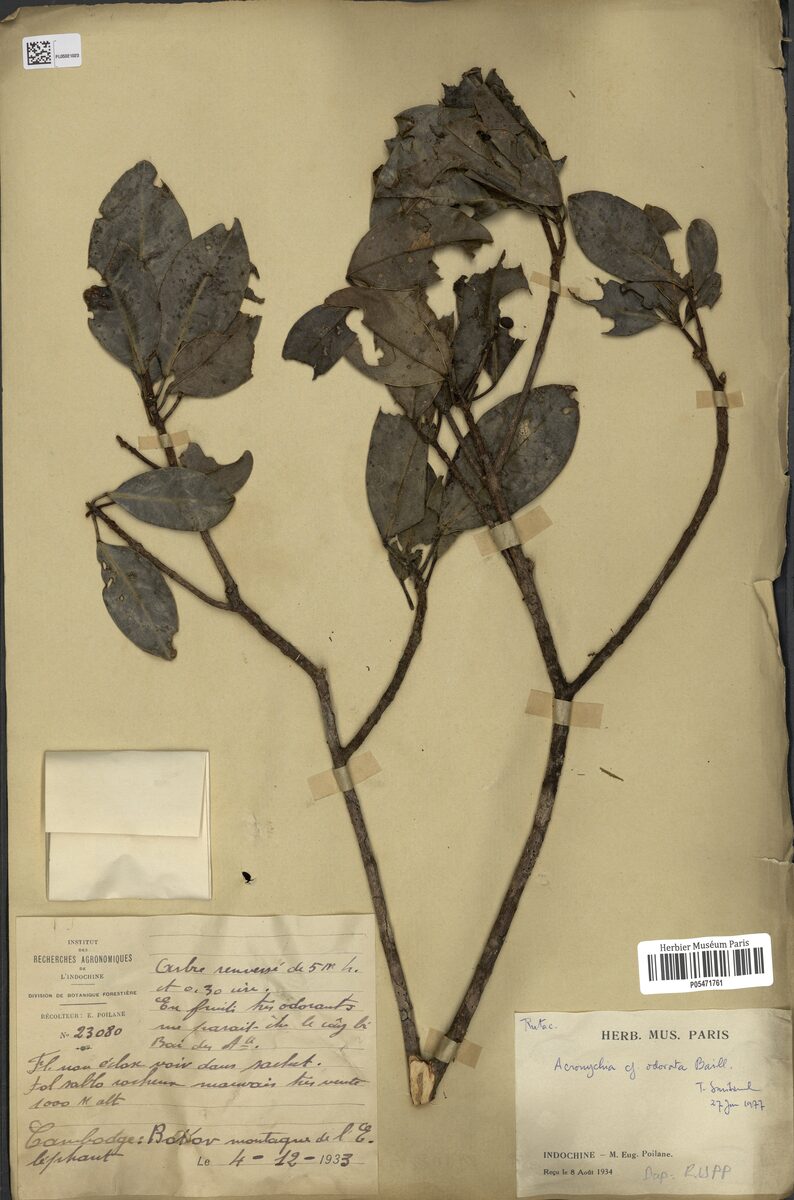
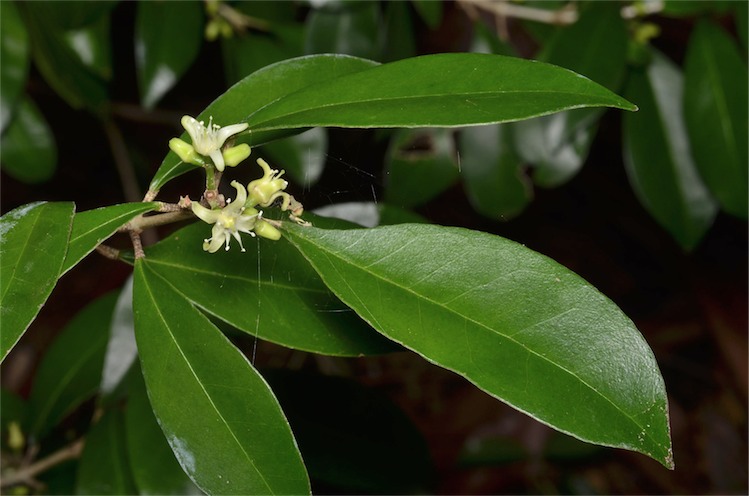
Zanthoxylum budrunga
DC.
wikimedia· cc-by-sa
Wikimedia Commons - Dolon Prova
wikimedia· cc-by-sa
Wikimedia Commons - Dolon Prova
Description
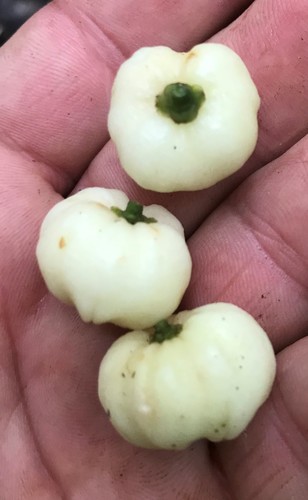
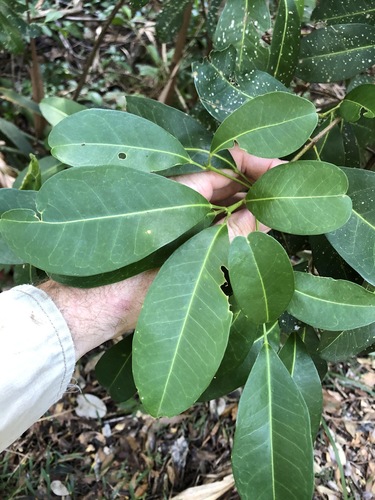
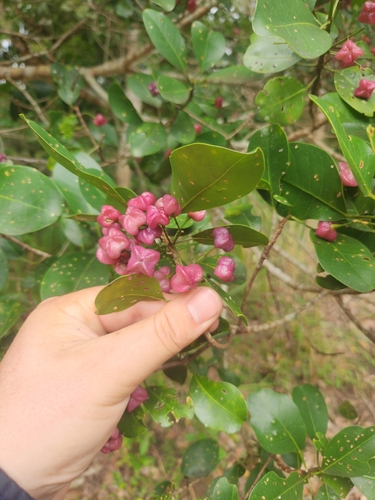
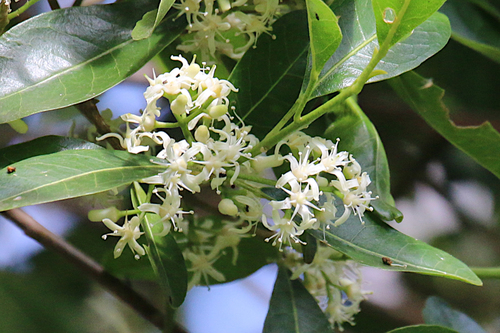
A tree. It grows 15 m tall. It keeps its leaves throughout the year. The stems, branches and leaf stalks have prickles. The branches are crowded at the top of the tree. The leaves are 30-75 cm long. The flowers are small and greenish-white. The fruit are oblong. The seeds are brownish-black.
Edible Uses
The leaves can be eaten raw or cooked as a vegetable. The fruit are used in pickles. Ripe seeds have a black pepper-like flavor and are used as a flavouring.
Traditional Uses
The fruit are used in pickles. The leaves are eaten raw or cooked as a vegetable. Ripe seeds taste like black pepper.
This uses section is brief — help expand it
Distribution
It is a tropical plant.
Where It Grows
Asia, Bangladesh, Bhutan, Himalayas, India, Indochina, Myanmar, Northeastern India, SE Asia, Sikkim, Thailand,
Notes
An unresolved name in The Plant List.
Synonyms
Also Known As
Badrang, Bajna, Boketimur, Chyinbawng, Clavarier, Dieng-ka-shyrang, Hmekaung, Jang-bawng, Jingbawng, Kathit-su, Ma-yanin-kyetsu, Singzual
References (8)
- Gangte, H. E., et al, 2013, Wild Edible Plants used by the Zou Tribe in Manipur, India. International Journal of Scientific and Research Publications, Volume 3, Issue 5
- Guite, C., 2016, Study of wild edible plants associated with the Paite Tribe of Manipur, India. International Journal of Current Research. Vol. 8, Issue 11, pp. 40927-40932
- Konsam, S., et al, 2016, Assessment of wild leafy vegetables traditionally consumed by the ethnic communities of Manipur, northeast India. Journal of Ethnobiology and Ethnomedicine, 12:9
- Martin, F. W., et al, 1987, Perennial Edible Fruits of the Tropics. USDA Handbook 642 p 78
- Sawian, J. T., et al, 2007, Wild edible plants of Meghalaya, North-east India. Natural Product Radiance Vol. 6(5): p 423
Show all 8 references Hide references
- Sundriyal, M., et al, 1998, Wild edibles and other useful plants from the Sikkim Himalaya, India. Oecologia Montana 7:43-54
- Sundriyal, M. & Sundriyal, R. C., 2004, Structure, Phenology, Fruit Yield, and Future Prospects of some Prominent Wild Edible Plant Species of the Sikkim Himalaya, India. Journal of Ethnobiology 24(1): 113-138
- Wild edible plants of Himachal Pradesh (As Fagara budrunga)