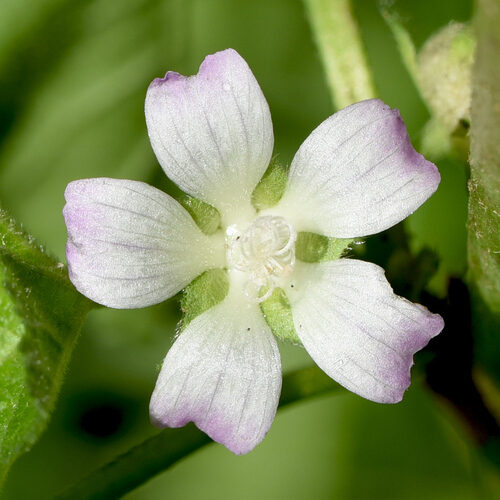
Sida spinosa
L.
Spiny sida
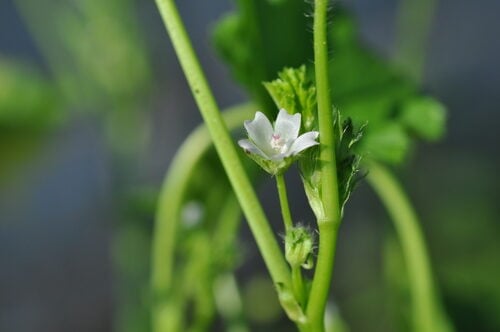
iNaturalist· cc-by-sa
(c) James (Jim) Duggan, some rights reserved (CC BY-SA), uploaded by James (Jim) Duggan
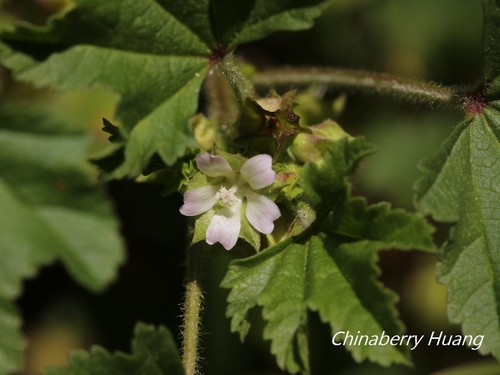
iNaturalist· cc-by-nc
(c) Linda Jo Conn, some rights reserved (CC BY-NC), uploaded by Linda Jo Conn
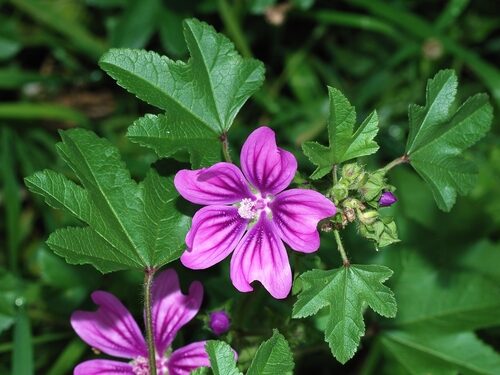
iNaturalist· cc-by-sa
(c) Douglas Goldman, some rights reserved (CC BY-SA), uploaded by Douglas Goldman
Summary
Source: WikipediaSida spinosa, the prickly fanpetals, is a widespread species of flowering plant in the family Malvaceae. It is native to the seasonally dry tropics and subtropics, including Latin America, the Caribbean, Africa, Madagascar, parts of the Middle East, and the Indian Subcontinent, and it has been introduced to many other locales. A subshrub or herb 0.2 to 1.0 m (8 to 39 in) high, it is typically found in disturbed situations such as roadsides and pastures.
Description
A herb or small shrub. It keeps growing from year to year. The stems are branched and have a few hairs. The leaves are 2-9 cm long by 6-18 mm wide. They are hairy. The flowers open on sunny days. The fruit are 5 mm across.
Edible Uses
Leaves and flowers are eaten and also used for tea.
Traditional Uses
The leaves and flowers are edible and also used for tea.
This uses section is brief — help expand it
Distribution
It is a subtropical plant. In Argentina it grows from sea level to 1,500 m above sea level. It can grow on acid and poor soils.
Where It Grows
Andes, Argentina, Asia, Australia, Brazil, Chile, Colombia, Dominican Republic, Guiana, Guyana, Korea, Marquesas, Mexico, Myanmar, North America, Pacific, Paraguay, SE Asia, South America*, Uruguay, West Indies,
Synonyms
Also Known As
Guanxuma, Guaxuma, Katsi-ne, Malvinha, Nagbala, Thabyetsi-bin, Zunzo
References (4)
- Alimenticias - FloraSBS
- Diaz-Betancourt, M., et al, 1999, Weeds as a future source for human consumption. Rev. Biol. Trop. 47(3):329-338
- Kinupp, V. F., 2007, Plantas alimenticias nao-convencionais da regiao metropolitana de Porto Alegre, RS, Brazil p 82
- World Checklist of Useful Plant Species 2020. Royal Botanic Gardens, Kew