Clematis aristata
R. Br. ex Ker Gawl
Old man's beard, Mountain clematis
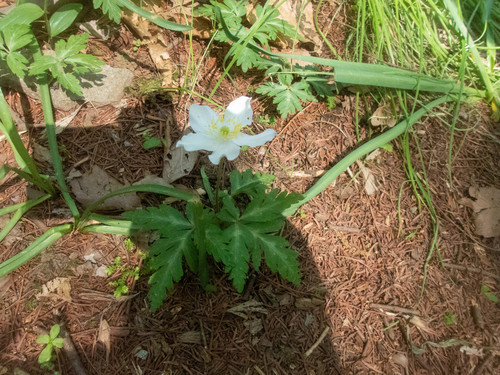
iNaturalist· cc-by-nc-sa
(c) Tony Rodd, some rights reserved (CC BY-NC-SA)
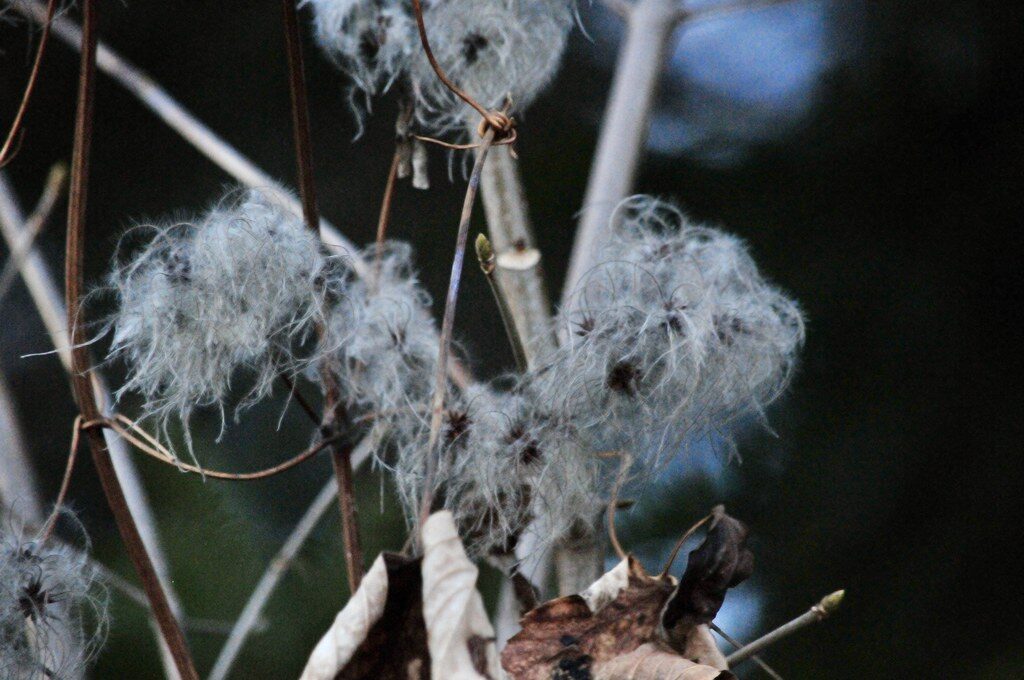
iNaturalist· cc-by
(c) John Tann, some rights reserved (CC BY)
iNaturalist· cc-by
(c) John Tann, some rights reserved (CC BY)
Summary
Source: WikipediaClematis aristata, known as Australian clematis, wild clematis, goat's beard or old man's beard, is a climbing shrub of the family Ranunculaceae, found in eastern Australia in dry and wet forests of Queensland, New South Wales, Victoria and Tasmania. In spring to early summer it produces mass displays of attractive star-shaped flowers usually borne in short panicles with each flower up to 70 mm diameter and possessing four narrow white or cream tepals. Fertile male and female reproductive structures occur in flowers of separate plants (dioecy) making this species an obligate outcrosser with pollen movement among plants most likely facilitated by insects. Each seed head (or infructescence) on female plants consists of multiple achenes (an aeterio) with each seed bearing a plumose awn 2–4.5 cm long promoting dispersal by wind. The mature leaves are most commonly ternate with leaflets up to 80 mm long and petioles that are able to twine around objects to provide climbing support. Juvenile leaves are simple, usually purplish-tinged with whitish streaks along the main veins. Several varieties have been previously described but are now not formally recognised. These included: var. blanda - with small flowers and twice-divided leaflets which is found from Victoria to Tasmania var. dennisae - with red filaments in the flowers and found in eastern Victoria var. longiseta - with yellowish hairy flowers found in Queensland Cytological analysis has shown C. aristata to be diploid with a somatic chromosome number of 2n=16. These consist of five pairs of metacentric, one pair of subtelocentric, and two pairs of telocentric chromosomes with distal heterochromatic satellites.
Description
It is a climber. It can grow 15 m tall. The leaves are egg shaped and 3-8 cm long by 1-5 cm wide. The flowers are creamy white and in bunches.
This description is brief — help expand it
Edible Uses
The taproot is harvested and roasted as food.
Traditional Uses
The taproot is harvested and roasted.
This uses section is brief — help expand it
Distribution
It is a temperate plant. It needs well drained soil. It can grow in sun or light shade.
Where It Grows
Australia*, Tasmania,
Cultivation
It can be grown from fresh seeds or semi-hardened cuttings.
Also Known As
Tarook
References (2)
- Hastings Advance Community College, 2017, Uses for Native Plants of the Mornington Peninsula. 86pp. p 33
- www.ceres.org.au/bushfoodcatalogue