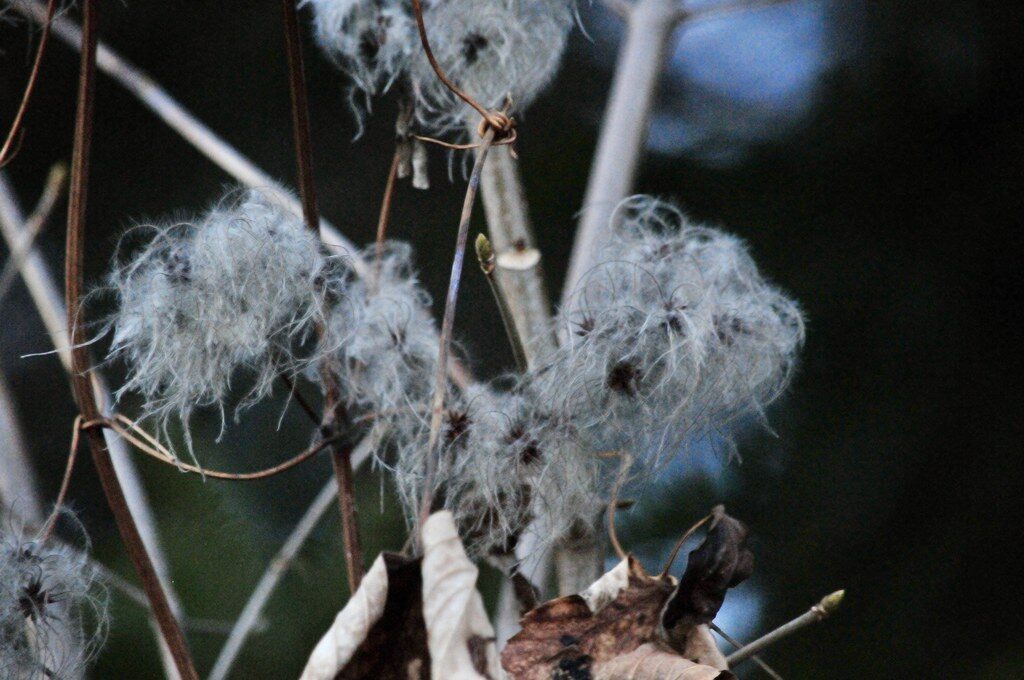
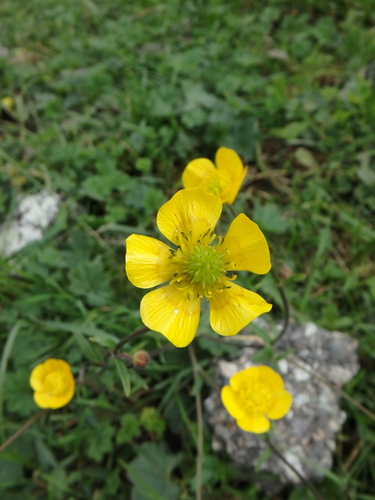
Anemone rivularis
Buch.-Ham. ex DC.
Cao Yu Mei
gbif· cc-by
GBIF
gbif· cc-by
carnifex
gbif· cc-by-nc
lucaecose
Description
Anemone rivularis is a PERENNIAL growing to 0.6 m (2ft) by 0.3 m (1ft in). See above for USDA hardiness. It is hardy to UK zone 7. It is in flower from April to July. The species is hermaphrodite (has both male and female organs) and is pollinated by Bees, flies. The plant is self-fertile. Suitable for: light (sandy) and medium (loamy) soils. Suitable pH: mildly acid, neutral and basic (mildly alkaline) soils. It can grow in full shade (deep woodland) semi-shade (light woodland) or no shade. It prefers moist soil.
Edible Uses
Seeds - roasted and pickled.
Medicinal Uses
Analgesic Antidote Antiemetic Vermifuge. The plant is said to be antiemetic and vermifuge. It is said to warm the stomach and stop vomiting. A paste made from the plant is used in Nepal to treat coughs and fevers. The juice of the leaf, mixed with water, is inhaled through each nostril to treat sinusitis. The seeds are used in Tibetan medicine, they are said to have a bitter and acrid taste with a heating potency. Analgesic and antidote, they are used in the treatment of rotting tissues, snake poisoning and stomach/intestinal pain from worm infestation. A decoction of the root is applied externally to cuts and wounds.
Known Hazards
Although no specific mention has been seen for this species, many members of this genus contain protoanemonin, an irritating acrid oil that is an enzymatic breakdown product of the glycoside ranunculin. While protoanemonin can cause severe topical and gastrointestinal irritation, it is unstable and changes into harmless anemonin when plants are dried or heated.
Distribution
E. Asia - Tibet, Himalayas, Sri Lanka.
Where It Grows
TEMPERATE ASIA: China (Henan Sheng (northwest), Hebei Sheng (n. & w.), Hubei Sheng (southwest), Gansu Sheng (c. & s.), Guizhou Sheng, Shaanxi Sheng, Sichuan Sheng, Qinghai Sheng (east), Yunnan Sheng, Nei Mongol Zizhiqu (south), Guangxi Zhuangzu Zizhiqu (west), Ningxia Huizi Zizhiqu, Xinjiang Uygur Zizhiqu (west), Xizang Zizhiqu (south & east)) TROPICAL ASIA: Bhutan, India (Sikkim, Himachal Pradesh, Tamil Nadu, Uttar Pradesh), Sri Lanka, Nepal, Indonesia (Sumatera)
Cultivation
Easily grown in a moist well-drained soil in sun or semi-shade. Succeeds in ordinary garden soil but prefers a rich sandy loam. Requires a damp soil, doing well by water. A very ornamental plant, it is hardy to about -20°c. This species is closely related to A. narcissiflora. Plants seem to be immune to the predations of rabbits. A greedy plant, inhibiting the growth of nearby plants, especially legumes.
Propagation
Seed - best sown in a cold frame as soon as it is ripe in the summer. Surface sow or only just cover the seed and keep the soil moist. Sow stored seed as soon as possible in late winter or early spring, it requires 3 - 5 weeks cold stratification. The seed usually germinates in 1 - 6 months at 20°c. When large enough to handle, prick the seedlings out into individual pots and grow them on for at least their first year in a lightly shaded place in a greenhouse. When large enough, plant them out into their permanent positions in the spring. Division in late summer after the plant dies down.