Lannea schweinfurthii var. tomentosa
(Dunkley) Kokwaro
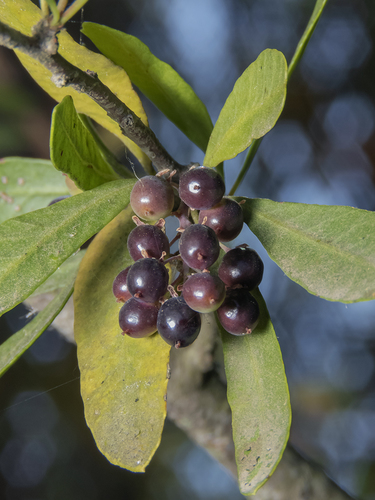
iNaturalist· cc-by-nc
(c) Mark Hyde, Bart Wursten and Petra Ballings, some rights reserved (CC BY-NC)
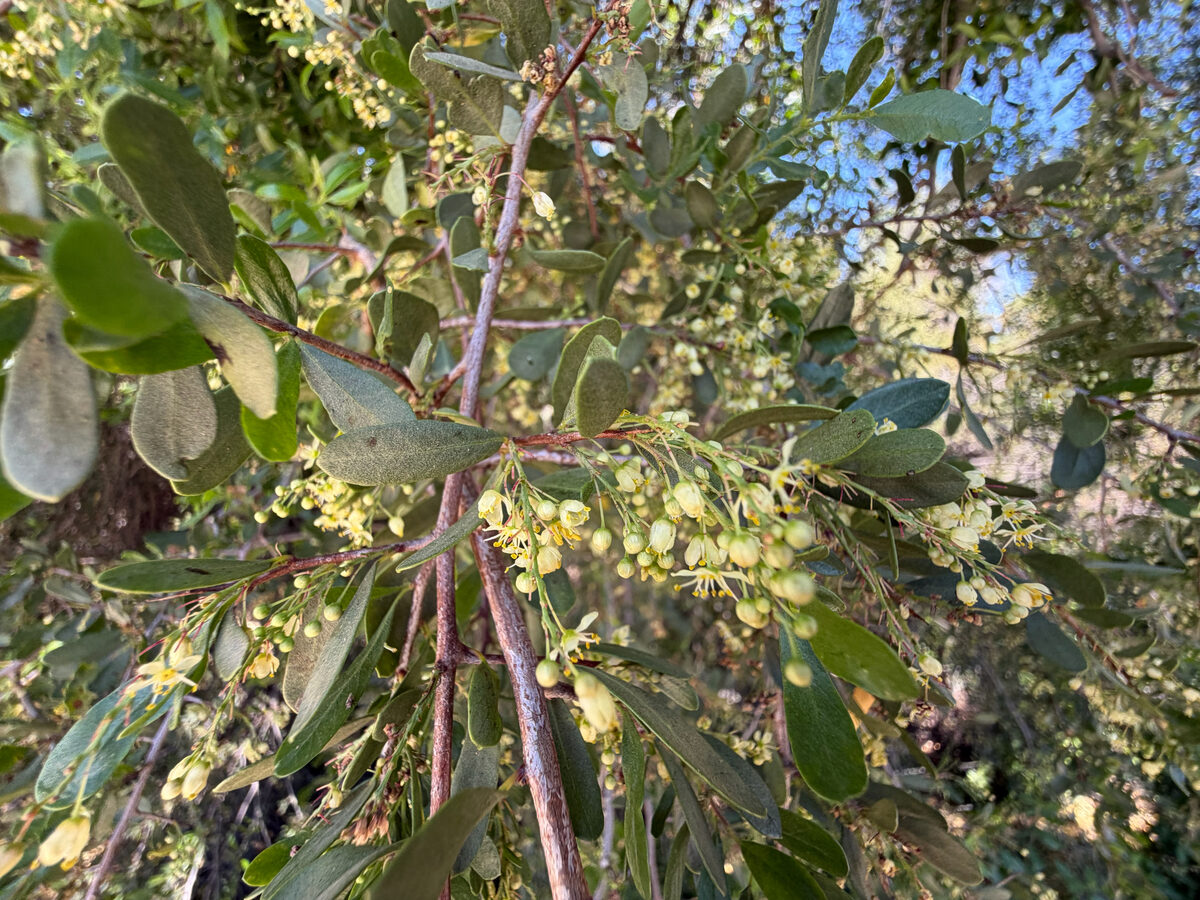
iNaturalist· cc-by-nc
(c) Mark Hyde, Bart Wursten and Petra Ballings, some rights reserved (CC BY-NC)
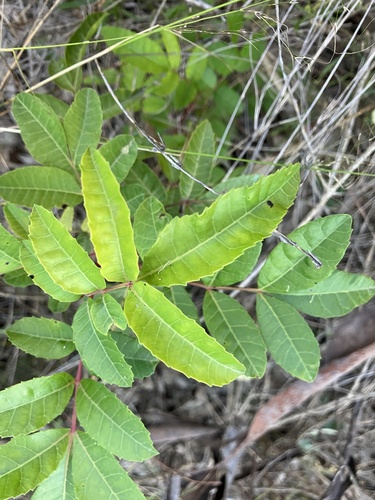
iNaturalist· cc-by-nc
(c) Mark Hyde, Bart Wursten and Petra Ballings, some rights reserved (CC BY-NC)
Summary
Source: WikipediaLannea schweinfurthii is a small to medium-sized deciduous tree within the Anacardiaceae family. The tree is sometimes called 'bastard marula' or 'false marula' because when it is without flowers or fruits, it become quite similar to the marula tree and sometimes it's confused for the marula tree. Extracts of the species is used in traditional human and veterinary medical practices. It has three varieties that are recognized by their leaf-blade outline and hairiness of leaves.
Description
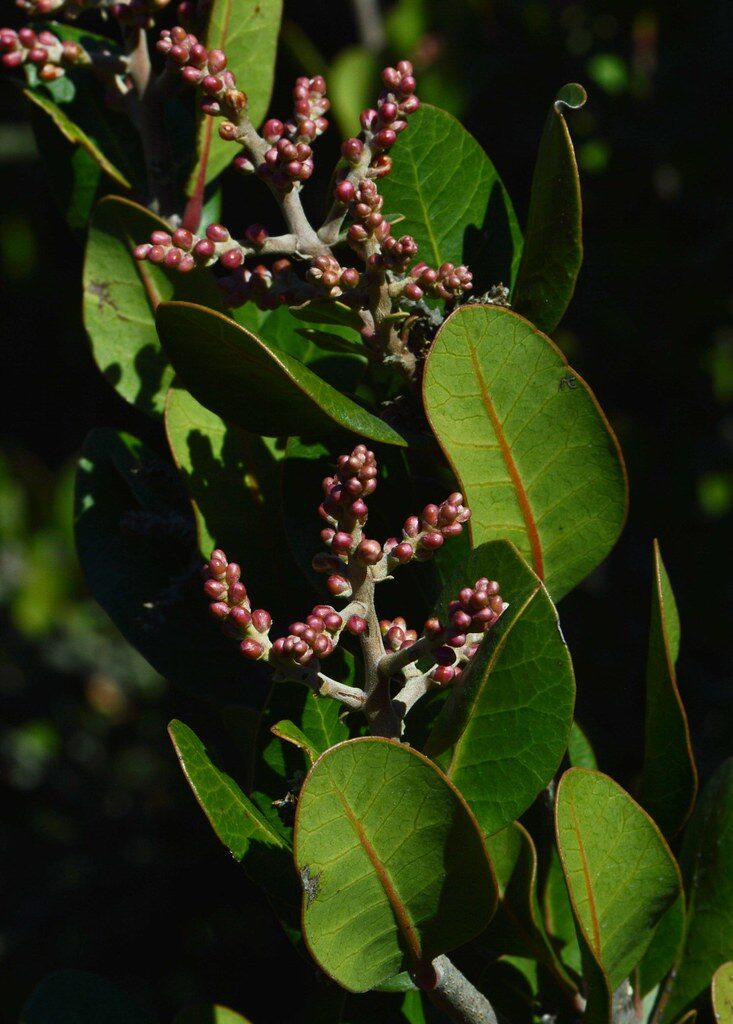
A shrub or small tree. It loses its leaves during the year. It grows 3-5 m tall. The crown is round and spreading. The small branches droop. The leaves are compound. They are usually crowded at the ends of branches. There are usually 3-5 leaflets. They are shiny and stiff. The larger leaflet at the end is 9 cm long. The mature leaves remain densely hairy underneath. The flowers are small and cream coloured. They have a strong scent. They are in spikes that hang down and are 20 cm long. Trees are separately male and female. The fruit is 1-2 cm long and oblong. They are red-brown and fleshy.
Edible Uses
The fruit is eaten.
Medicinal Uses
The root and stem bark is commonly used to treat a variety of ailments including blood disorders like Anemia, gastro-intestinal disorders such as diarrhea, dysentery, and stomach pains, sores and wounds and to treat infections such as abscesses, boils, skin rashes and gonorrhea. In Tanzania and Zimbabwe it is also used to treat animal related health issues such as coccidiosis and corridor disease.
Distribution
It is a tropical plant. It grows in the lowlands. It grows in woodlands and along rivers. It is often associated with termite mounds.
Where It Grows
Africa, Botswana, East Africa, Malawi, Mozambique, Namibia, Tanzania, Zambia, Zimbabwe,
Synonyms
Also Known As
Mtinje
References (1)
- http://www.fao.org/forestry/25323-096344a3de335832e8f363c3ac5184a66.pdf