Vangueria cinerascens
(Welw. ex Hiern) Lantz
iNaturalist· cc-by-nc
(c) Troos van der Merwe, some rights reserved (CC BY-NC), uploaded by Troos van der Merwe
iNaturalist· cc-by-nc
(c) Troos van der Merwe, some rights reserved (CC BY-NC)
Summary
Source: WikipediaVangueria cinerascens is a species of flowering plant in the family Rubiaceae. It is found from Tanzania to South Tropical Africa. The epithet is a Latin adjective (classical Latin cinerescens, from verb cinerescere, to turn into ashes) meaning ash-coloured, referring to the indumentum on the leaves.
Description
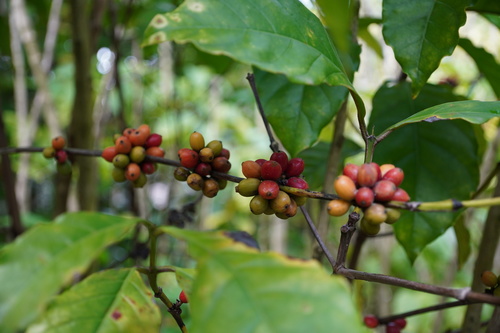
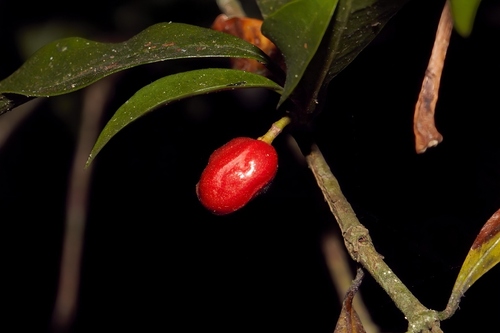
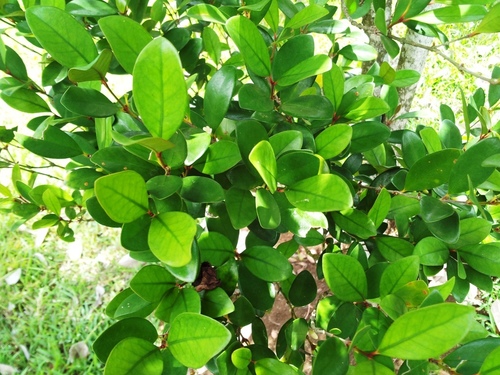
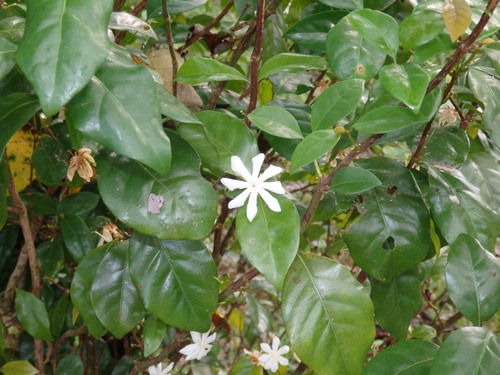
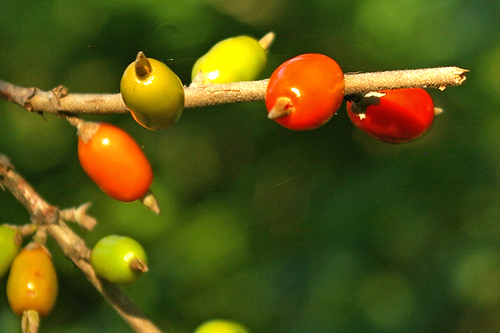
A shrub or small tree. It grows 1-3 m tall. The branches are slender. The small branches are covered with rusty hairs. It has a woody rootstock. The leaves are usually in pairs and opposite. They are 8 cm long. They are rough and hairy above and have soft hairs underneath. The flowers are small and pale yellow or green. They are in clusters in the axils of leaves. There are about 15 flowers in a group. The fruit are round. They can be yellow to red and 8-9 mm across.
Edible Uses
Fruit - raw[398. The fleshy fruit is eaten as a snack, especially by children. The rounded, yellow-orange-brown-red fruit is 8 - 9mm across, containing 1 - 5 seeds.
Traditional Uses
The ripe fruit are eaten as a snack.
This uses section is brief — help expand it
Distribution
It is a tropical plant. It grows in woodland. In Tanzania it grows between 1,100-1,300 m above sea level.
Where It Grows
Africa, Angola, Central Africa, East Africa, Malawi, Tanzania, Zambia,
Cultivation
Plants can be grown from seeds.
Other Uses
The wood is used for fire sticks.
Production
In Tanzania the fruit are collected from November to May.
Other Information
The fruit are especially by children.
Synonyms
Also Known As
Kambolambola, Kindokoli, Nkobeliya, Sisimpirae
References (3)
- http://www.fao.org/forestry/25323-096344a3de335832e8f363c3ac5184a66.pdf (As Tapiphyllum cinerascens)
- Ruffo, C. K., Birnie, A. & Tengnas, B., 2002, Edible Wild Plants of Tanzania. RELMA p 662 (As Tapiphyllum cinerascens var. cinarescens)
- World Checklist of Useful Plant Species 2020. Royal Botanic Gardens, Kew