Carya tomentosa
(Poir.) Nutt.
Mockernut Hickory, Bullnut, White Hickory, Square nut, White-heart hickory, Bigbud hickory
iNaturalist· cc-by-sa
(c) Douglas Goldman, some rights reserved (CC BY-SA), uploaded by Douglas Goldman
iNaturalist· cc-by
(c) Laura Clark, some rights reserved (CC BY), uploaded by Laura Clark
iNaturalist· cc-by-nc
(c) bill1953, some rights reserved (CC BY-NC)
Summary
Source: WikipediaCarya tomentosa, commonly known as mockernut hickory, mockernut, white hickory, whiteheart hickory, hognut, bullnut, is a species of tree in the walnut family Juglandaceae. The most abundant of the hickories, and common in the eastern half of the United States, it is long lived, sometimes reaching the age of 500 years. A straight-growing hickory, a high percentage of its wood is used for products where strength, hardness, and flexibility are needed. The wood makes excellent fuel wood, as well.
Description
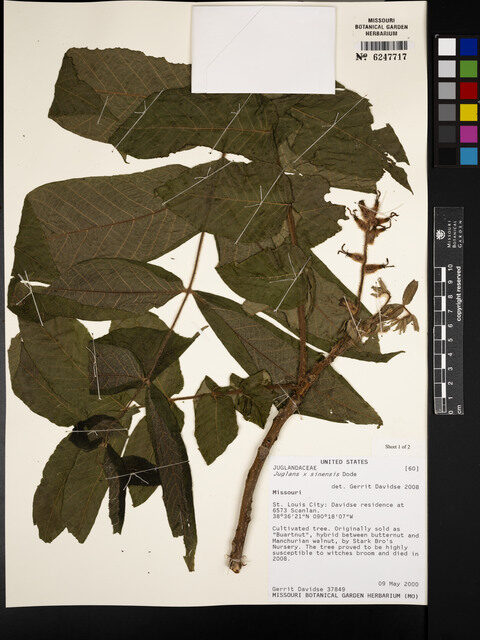
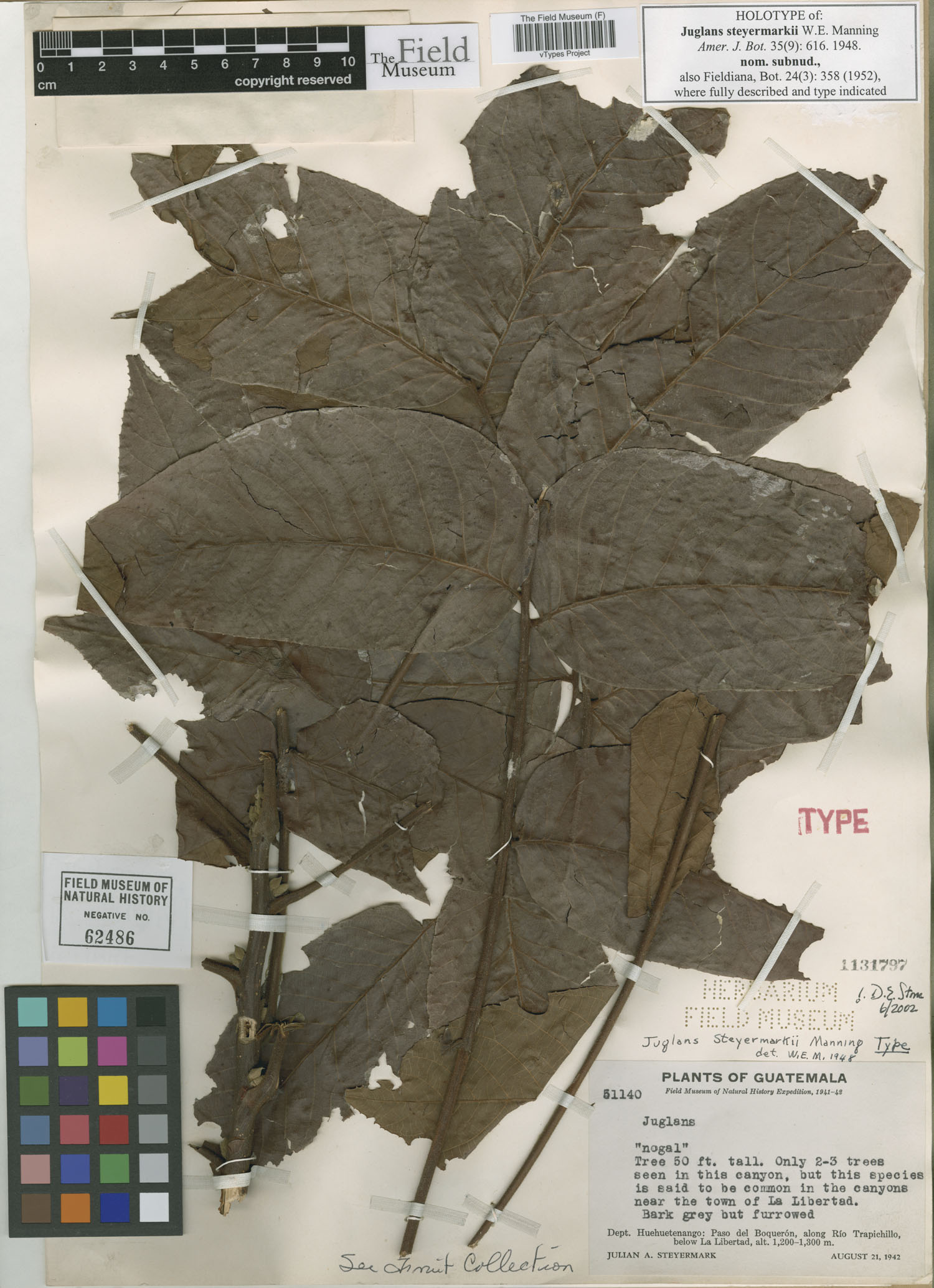
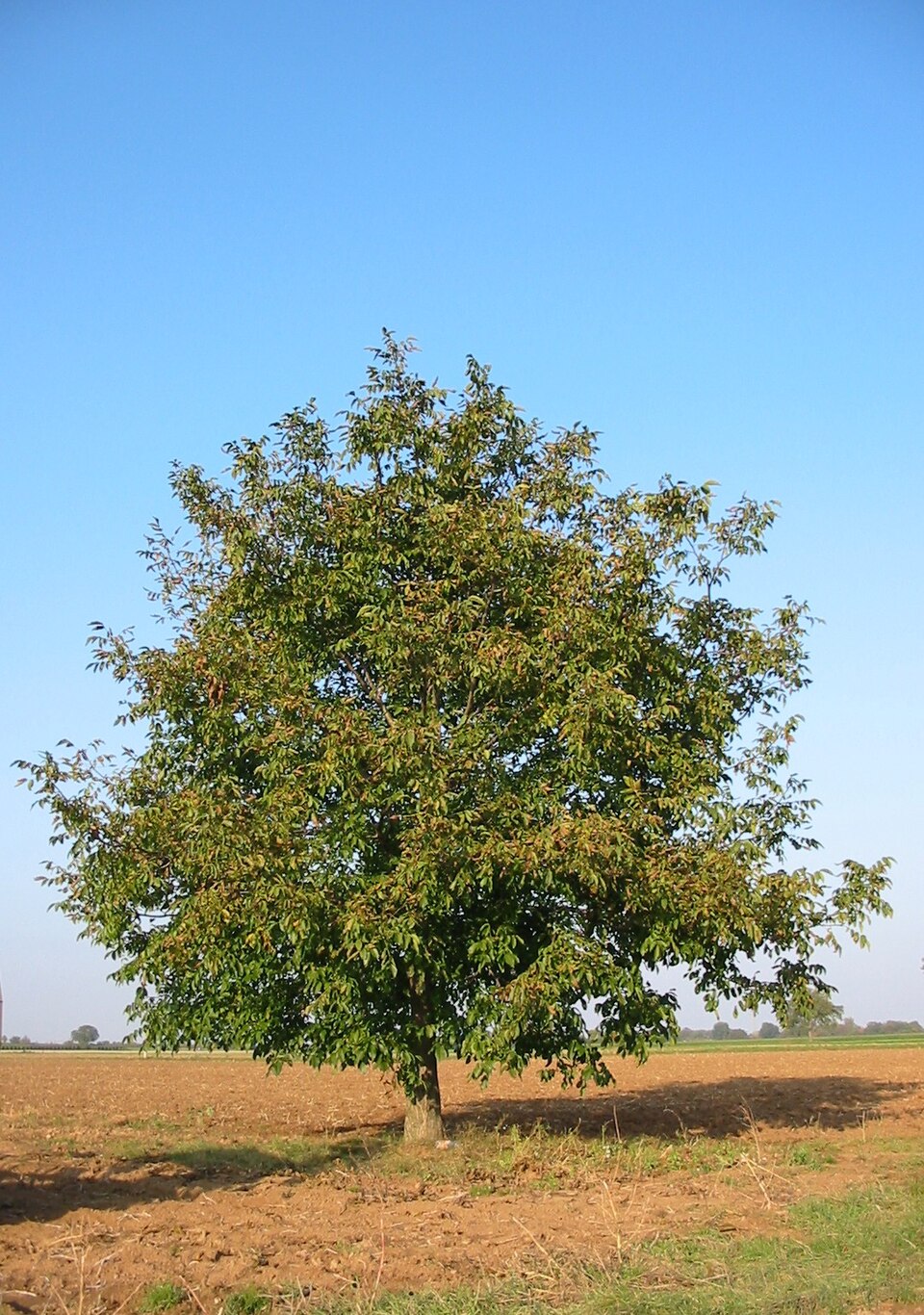
A large tree. It grows 30 m tall. The bark is dark grey and has flat ridges and shallow furrows. The tree has a rounded crown. The leaves are compound and 20-50 cm long. The leaves have 9 oblong leaflets They are dark green on the upper surface and downy underneath. The flowers are very small and green. The male flowers are in slender drooping catkins. There are 3 catkins hanging from one stalk. There are 2-5 female flowers at the tip of the same twig. The shell of the fruit is thick. The fruit are round to oval and 35 mm across. The nuts are edible.
Edible Uses
The seed has a delicious sweet taste but the shell is so thick and hard that extraction is very difficult, and the kernel is quite small relative to the overall size of the nut — even squirrels tend to leave the seeds to accumulate under the trees. Seeds can be up to 6cm long, ripen in late autumn, and keep for at least 6 months when stored in the shell in a cool place. The sap can be tapped in spring; it has a sweet flavour and is used as a drink.
Traditional Uses
The seeds are sweet and eaten.
This uses section is brief — help expand it
Medicinal Uses
The inner bark is astringent and detergent. It has been used as a dressing for cuts and has been chewed to treat sore mouths.
Distribution
It is a temperate plant. It grows on drier hills in the USA. It grows up to 900 m altitude. It suits hardiness zones 4-9.
Where It Grows
Australia, Britain, Canada, Europe, Germany, Mexico, North America, USA,
Cultivation
Plants are grown from seeds. It can also be grown by cuttings.
Propagation
Seed requires cold stratification before it will germinate. Sow in a cold frame as soon as seed is ripe; stored seed should be kept moist (but not wet) and sown in a cold frame as soon as possible. Where possible, sow 1 or 2 seeds per deep pot and thin to the strongest seedling. Transplant seedlings as soon as they are large enough to handle, using deep pots to accommodate the taproot, and move plants to their permanent positions as soon as possible — ideally in their first summer — with cold protection for at least the first winter. Seed can also be sown in situ with protection from mice and cold; a bottomless plastic bottle capped with wire mesh works well for both purposes.
Other Uses
Several dyes can be obtained from this tree: boiling the bark in a vinegar solution yields a black dye; the leaves and twigs yield a beige dye using cream of tartar as a mordant; and the bark yields a yellow dye when alum is used as a mordant. The inner bark has been used to finish baskets and to make chair bottoms. Leaves have been scattered around to repel insects. The wood is close-grained, tough, elastic, very heavy, and hard, weighing 51 lb per cubic foot. It has excellent bending qualities and withstands compression better than most other woods, making it one of the best hickory timbers. It is an important commercial wood used for vehicle parts, tool handles, and fuel. Carya species work well as shade trees in agroforestry systems, contributing high-quality timber and nut production while enhancing biodiversity and providing wildlife habitat. The nuts are an important food source for birds, squirrels, and other small mammals; the dense canopy offers shelter and nesting and roosting sites for birds; and the rough bark and fallen leaf litter provide overwintering habitat for invertebrates.
Production
The shells are hard to crack.
Notes
There are about 14-25 Carya species.
Synonyms
Also Known As
Nuez falsa
References (22)
- Bircher, A. G. & Bircher, W. H., 2000, Encyclopedia of Fruit Trees and Edible Flowering Plants in Egypt and the Subtropics. AUC Press. p 87
- Bodkin, F., 1991, Encyclopedia Botanica. Cornstalk publishing, p 219
- Brouk, B., 1975, Plants Consumed by Man. Academic Press, London. p 221
- Duke, J.A., 1992, Handbook of Edible Weeds. CRC Press. p 62
- Elias, T.S. & Dykeman P.A., 1990, Edible Wild Plants. A North American Field guide. Sterling, New York p 244
Show all 22 references Hide references
- Esperanca, M. J., 1988. Surviving in the wild. A glance at the wild plants and their uses. Vol. 2. p 90
- Etherington, K., & Imwold, D., (Eds), 2001, Botanica's Trees & Shrubs. The illustrated A-Z of over 8500 trees and shrubs. Random House, Australia. p 185
- Facciola, S., 1998, Cornucopia 2: a Source Book of Edible Plants. Kampong Publications, p 123
- Flowerdew, B., 2000, Complete Fruit Book. Kyle Cathie Ltd., London. p 194
- Gen. N. Amer. pl. 2:221. 1818
- Glowinski, L., 1999, The Complete Book of Fruit Growing in Australia. Lothian. p 106
- Gouldstone, S., 1983, Growing your own Food-bearing Plants in Australia. Macmillan p 144
- Grandtner, M. M., 2008, World Dictionary of Trees. Wood and Forest Science Department. Laval University, Quebec, Qc Canada. (Internet database http://www.WDT.QC.ca)
- Hedrick, U.P., 1919, (Ed.), Sturtevant's edible plants of the world. p 172
- Krochmal, A. & Krochmal, C., 1982, Uncultivated Nuts of The United States. United States Department of Agriculture Forest Service. p 50
- Little, E.L., 1980, National Audubon Society Field Guide to North American Trees. Alfred A. Knopf. p 355
- Lyle, S., 2006, Discovering fruit and nuts. Land Links. p 112
- Menninger, E.A., 1977, Edible Nuts of the World. Horticultural Books. Florida p 5
- Plants for a Future database, The Field, Penpol, Lostwithiel, Cornwall, PL22 0NG, UK. http://www.scs.leeds.ac.uk/pfaf/
- Segura, S., et al, 2018, The edible fruit species in Mexico. Genet Resour Crop Evol (2018) 65:1767–1793
- Tozer, F., 2007, The Uses of Wild Plants. Green Man Publishing. p 57
- Wickens, G.E., 1995, Edible Nuts. FAO Non-wood forest products. FAO, Rome. p 134