Thalictrum occidentale
Gray
Western meadowrue
iNaturalist· cc-by-nc
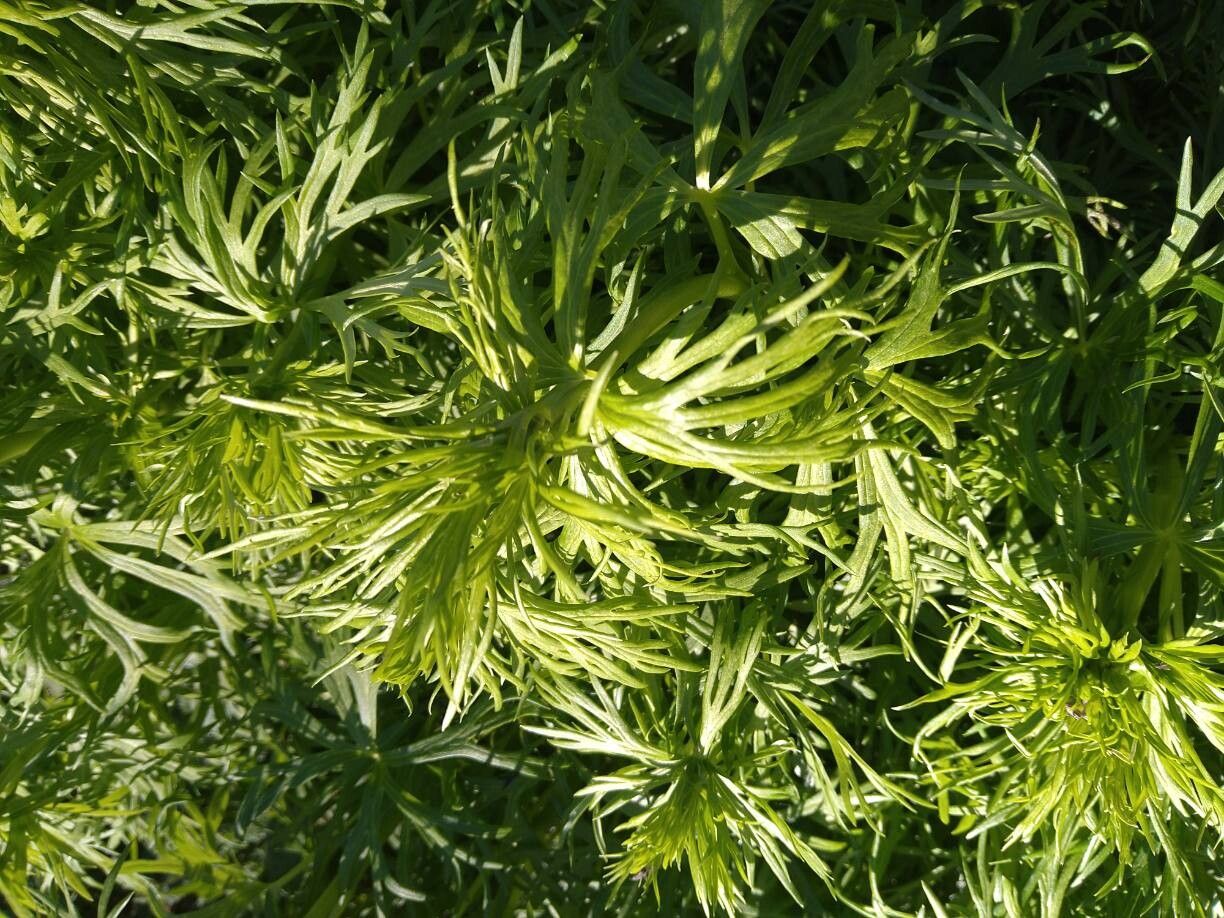
(c) Erin Haase, some rights reserved (CC BY-NC), uploaded by Erin Haase
iNaturalist· cc-by-nc
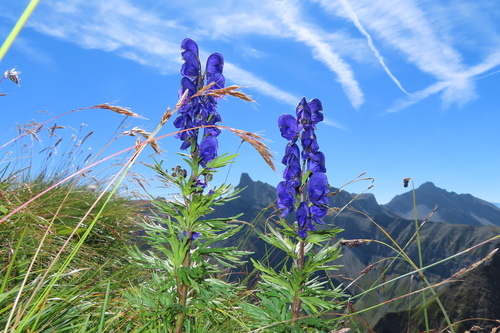
(c) Bob Gorcik, some rights reserved (CC BY-NC), uploaded by Bob Gorcik
iNaturalist· cc-by-nc
(c) Brady Hall, some rights reserved (CC BY-NC), uploaded by Brady Hall
Summary
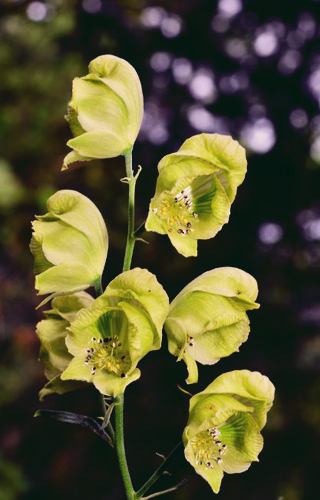
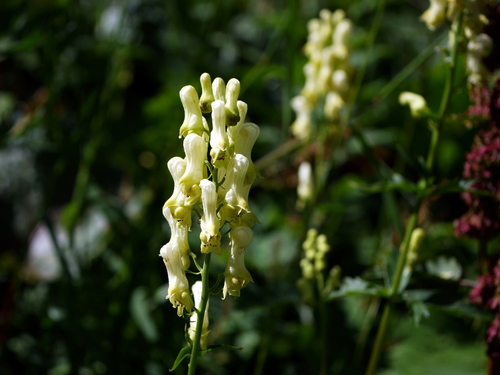
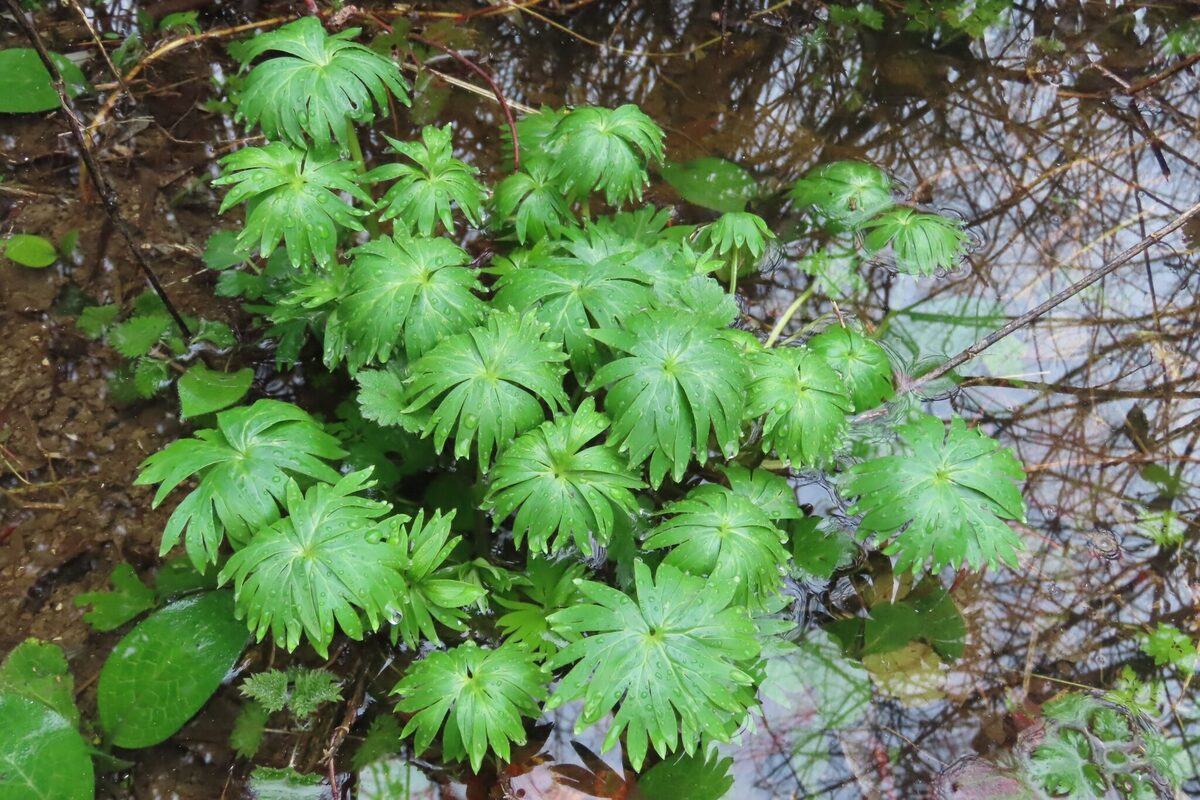
Source: WikipediaThalictrum occidentale is a species of flowering plant in the buttercup family known by the common name western meadow-rue. It is native to northwestern North America from Alaska and western Canada to northern California to Wyoming and Colorado, where it grows in shady habitat types such as forest understory and more open, moist habitat such as meadows. Thalictrum occidentale is a perennial herb growing erect to a maximum height around a meter. It is hairless to lightly hairy and glandular. The leaves have compound blades divided into a few or many segments, often with three lobes, and are borne on long, slender petioles. The inflorescence is an upright or arching panicle of flowers with leaflike, lobed bracts often growing at the base. The species is dioecious, with male and female flowers occurring on separate plants, and is wind pollinated. The male flower has a bell-shaped calyx of four sepals in shades of greenish white or purple. From the calyx dangle many long, purple stamens tipped with large anthers. The female flower has a cluster of immature fruits tipped with styles in shades of purple. A cluster has 4 to 9, at times up to 14, fruits.
Description
A herb. It grows 30-100 cm tall. It has rhizomes or underground stems. Young leaves are purplish. The leaves have 3-4 leaflets and these have rounded lobes at the end. The leaves are 1-3 cm long. Male and female flowers are on separate plants. There are several greenish flowers.
Edible Uses
The young leaves are eaten raw or cooked. The fruit is used to spice meat and soup.
Traditional Uses
The fruit are used to spice meat and soup. The young leaves are eaten raw or cooked.
This uses section is brief — help expand it
Distribution
It is a temperate plant.
Where It Grows
North America, USA,
References (1)
- Moerman, D. F., 2010, Native American Ethnobotany. Timber Press. p 555