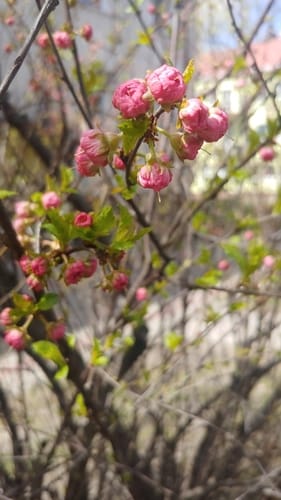
Fragaria nubicola - (Hook.f.)Lindl.
(Hook.f.)Lindl.
Indian Strawberry
gbif· cc-by-nc
dfoxmi
gbif· cc-by-nc
Sarah H
gbif· cc-by-nc
Annie Wang
Description
Fragaria nubicola is a PERENNIAL growing to 0.2 m (0ft 8in) by 1 m (3ft 3in). See above for USDA hardiness. It is hardy to UK zone 6. It is in flower from April to May, and the seeds ripen from June to July. The species is hermaphrodite (has both male and female organs) and is pollinated by Insects. Suitable for: light (sandy), medium (loamy) and heavy (clay) soils and prefers well-drained soil. Suitable pH: mildly acid, neutral and basic (mildly alkaline) soils. It can grow in semi-shade (light woodland) or no shade. It prefers moist soil.
Edible Uses
Fruit - raw. A very pleasant strawberry flavour.
Medicinal Uses
Astringent. The juice of the plant is used in the treatment of profuse menstruation. The unripe fruit is chewed to treat blemishes on the tongue.
Distribution
E. Asia - Himalayas from Kashmir to western China.
Where It Grows
TEMPERATE ASIA: China (Xizang Zizhiqu, Yunnan Sheng) TROPICAL ASIA: Bhutan, India (Sikkim, Himachal Pradesh, Uttar Pradesh), Nepal, Myanmar (north)
Cultivation
We have very little information on this species and do not know if it will be hardy in Britain. However, judging by its native range, it is likely to succeed outdoors in many areas of the country. The following notes are based on the general needs of the genus. Prefers a fertile, well-drained, moisture retentive soil in a sunny position. Tolerates semi-shade though fruit production will be reduced. Likes a mulch of pine or spruce leaves.
Propagation
Seed - sow early spring in a greenhouse. The seed can take 4 weeks or more to germinate. The seedlings are very small and slow-growing at first, but then grow rapidly. Prick them out into individual pots when they are large enough to handle and plant them out during the summer. Division of runners, preferably done in July/August in order to allow the plants to become established for the following years crop. They can also be moved in the following spring if required, though should not then be allowed to fruit in their first year. The runners can be planted out direct into their permanent positions.