Fragaria nilgerrensis
Schltdl. ex J. Gay
Houtbois strawberry, Nilgiri strawberry, Golden-hairy strawberry
iNaturalist· cc-by
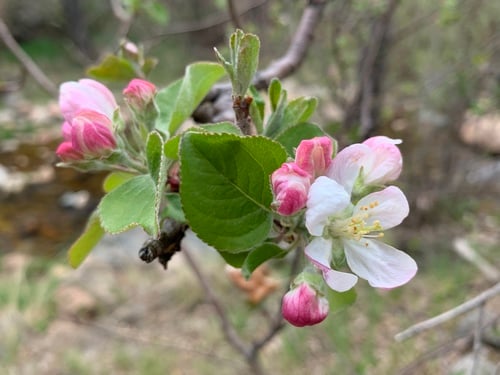
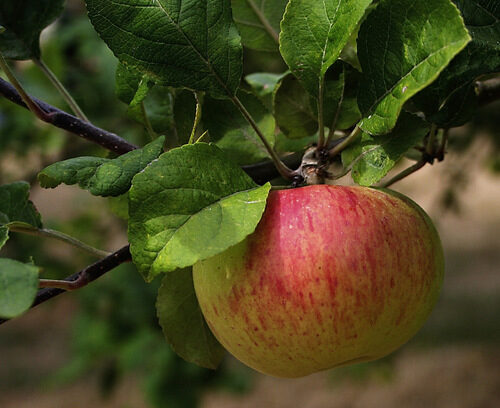
(c) Eugene Popov, some rights reserved (CC BY), uploaded by Eugene Popov
iNaturalist· cc-by
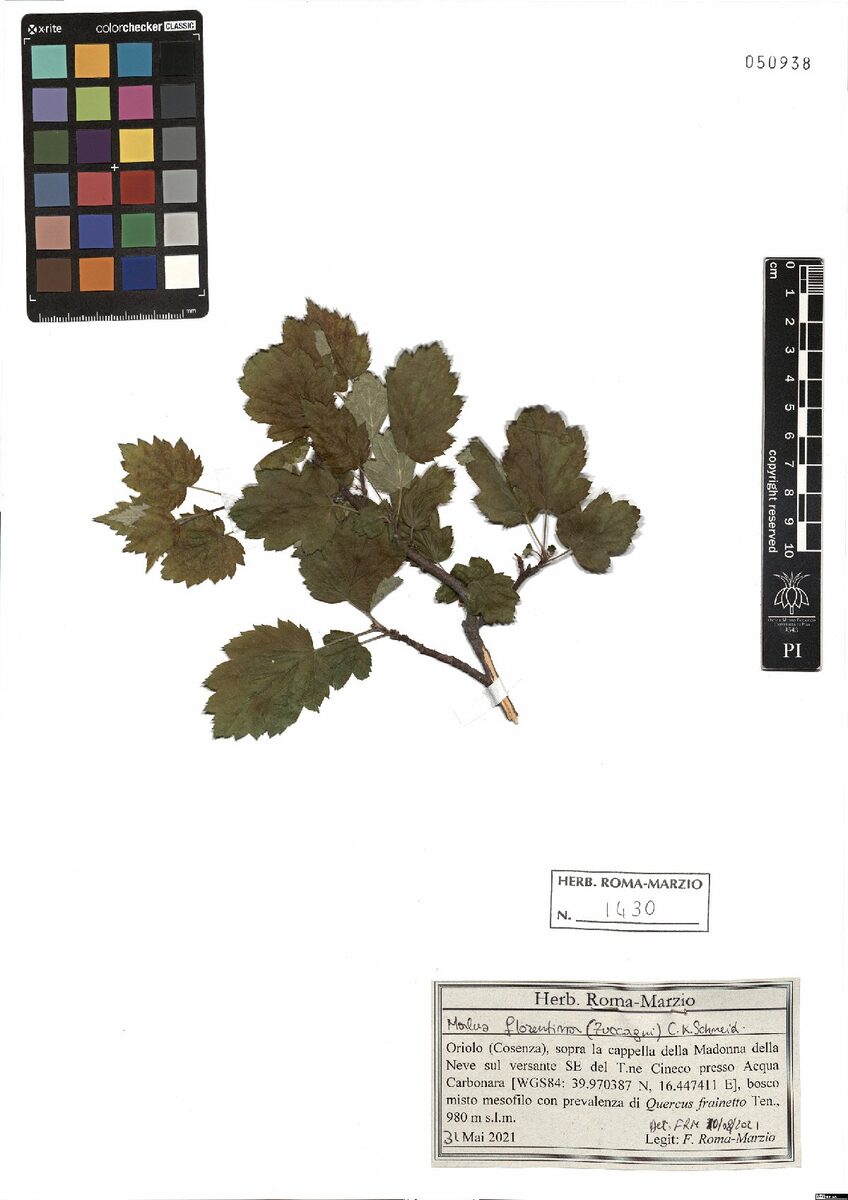
(c) Aaron Liston, some rights reserved (CC BY)
Summary
Source: WikipediaFragaria nilgerrensis, the nilgiri strawberry, is a species of flowering plant in the family Rosaceae. It is a wild strawberry native to southern and southeast Asia. It is similar in appearance to F. moupinensis. Its fruit are white to light pink, with flavour reminiscent of peach, and the fruit is of no commercial value. All strawberries have a base haploid count of 7 chromosomes. Fragaria nilgerrensis is diploid, having 2 pairs of these chromosomes for a total of 14 chromosomes.
Description
A herb. It grows 5-25 cm tall. The stems are in dense tufts. The fruit is an aggregate fruit and is white when ripe. It can be pink or red.
This description is brief — help expand it
Edible Uses
The fruit can be eaten raw or cooked. It is white with a pale pink tint and is considered to be of inferior quality.
Traditional Uses
The fruit are eaten raw.
This uses section is brief — help expand it
Medicinal Uses
None known
Distribution
It is a subtropical plant. In the eastern Himalayas it grows between 2,800-4,200 m altitude. In Vietnam it occurs between 1,600-1,800 m above sea level. In Sichuan and Yunnan.
Where It Grows
Asia, China, Himalayas, India, Indochina, Myanmar, Nepal, Northeastern India, SE Asia, Sikkim, Taiwan, Vietnam,
Cultivation
We have very little information on this species and do not know if it will be hardy in Britain, though based on the natural range of the plant it is unlikely to succeed in any but the mildest parts of the country. It is a vigorous, spreading plant. The following notes are based on the general needs of the genus. Prefers a fertile, well-drained, moisture retentive soil in a sunny position. Tolerates semi-shade though fruit production will be reduced. Likes a mulch of pine or spruce leaves.
Propagation
Sow seed in early spring in a greenhouse; germination can take four weeks or more. Seedlings are small and slow to start but then grow rapidly. Prick out into individual pots when large enough and plant out during summer. Divide runners preferably in July or August to allow plants to establish before the following year's crop, or move them the following spring — plants should not be allowed to fruit in their first year after a spring division. Runners can be planted directly into their permanent positions.
Other Uses
None known Special Uses
Also Known As
Alibuji, Ameibuji, Anmenbuzi, Dau-tay Nilghiri, Jalinkhumthera
References (14)
- Ambasta, S.P. (Ed.), 2000, The Useful Plants of India. CSIR India. p 227
- Ann. Sci. Nat. Bot. ser. 4, 8:206. 1857
- Flora of China. Vol 9 p 336
- Geng, Y., et al, 2016, Traditional knowledge and its transmission of wild edibles used by the Naxi in Baidi Village, northwest Yunnan province. Journal of Ethnobiology and Ethnomedicine. 12:10
- Hu, Shiu-ying, 2005, Food Plants of China. The Chinese University Press. p 434
Show all 14 references Hide references
- Jeeva, S., 2009, Horticultural potential of wild edible fruits used by the Khasi tribes of Meghalaya. Journal or Horticulture and Forestry Vol. 1(9) pp. 182-192
- Mozhui, R., et al, 2011, Wild edible fruits used by the tribals of Dimapur district of Nagaland, India. Pleione 5(1): 56 - 64.
- Plants for a Future database, The Field, Penpol, Lostwithiel, Cornwall, PL22 0NG, UK. http://www.scs.leeds.ac.uk/pfaf/
- Sawian, J. T., et al, 2007, Wild edible plants of Meghalaya, North-east India. Natural Product Radiance Vol. 6(5): p 417
- Singh, H.B., Arora R.K.,1978, Wild edible Plants of India. Indian Council of Agricultural Research, New Delhi. p 60
- Singh, V. B., et al, (Ed.) Horticulture for Sustainable Income and Environmental Protection. Vol. 1 p 217
- Wang, J. et al, 2013, A Study on the Utilization of Wild Plants for Food in Liangshan Yi Autonomous Prefecture. Plant Diversity and Resources. 35(4): 416-471
- Wang, J., et al, 2020, An ethnobotanical survey of wild edible plants used by the Yi people of Liangshan Prefecture, Sichuan Province, China. Journal of Ethnobiology and Ethnomedicine 16:10 p 9
- www.Efloras.org Annotated checklist of the Flowering Plants of Nepal.