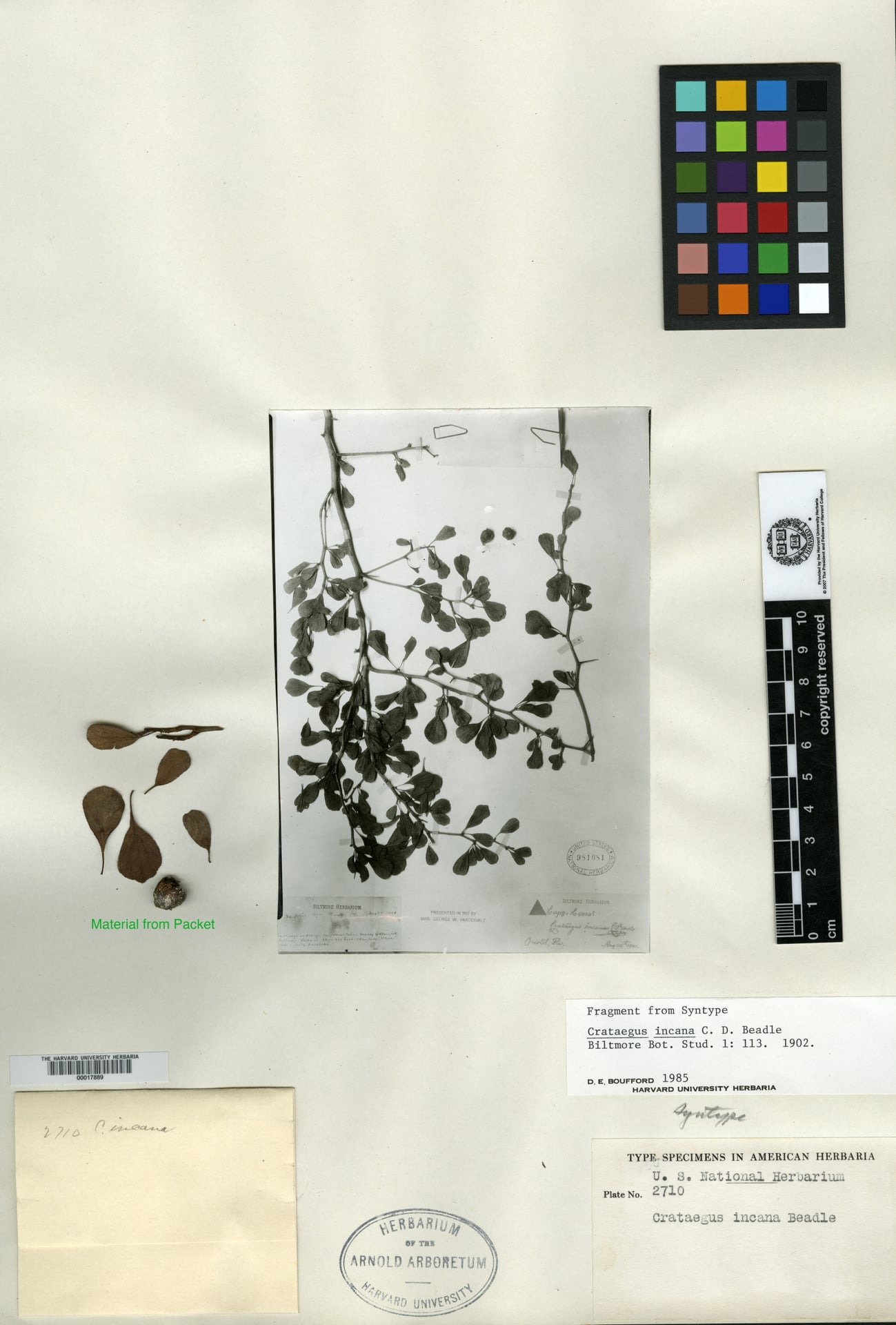
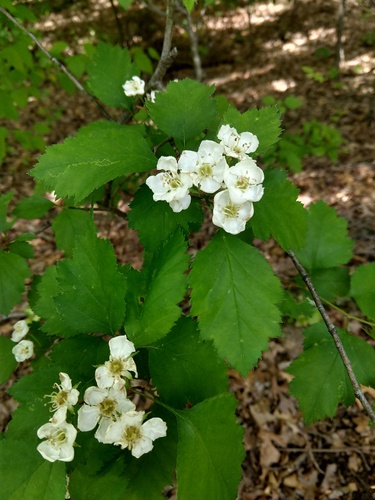
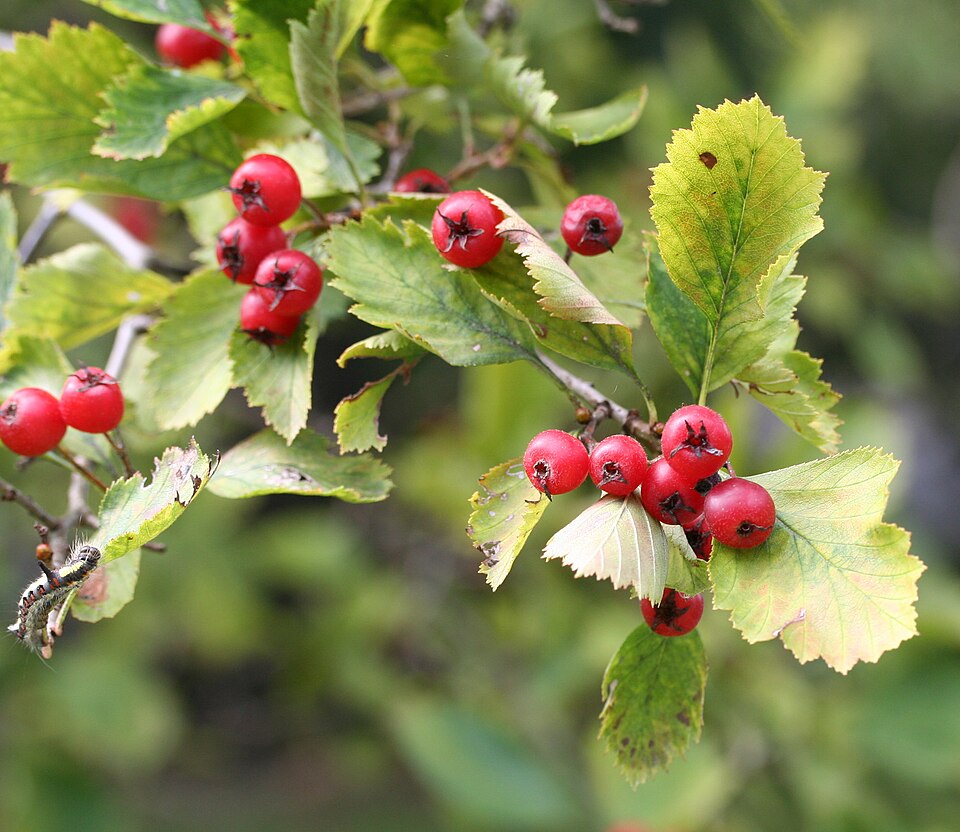
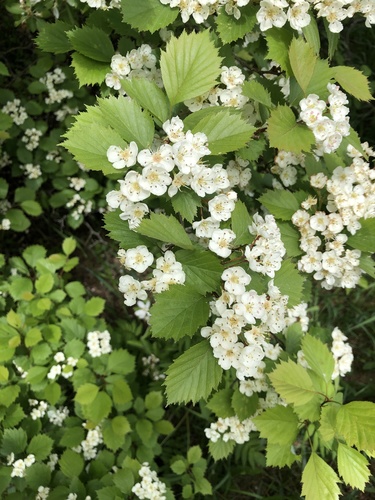
Fragaria ovalis - (Lehm.)Rydb.
(Lehm.)Rydb.
Rocky Mountain Strawberry
gbif· cc-by-nc
Colorado State University, Charles Maurer Herbarium (CS-)
gbif· cc0
Public Domain
Description
Fragaria ovalis is a PERENNIAL growing to 0.2 m (0ft 8in). It is not frost tender. It is in flower from April to May, and the seeds ripen from June to July. The species is hermaphrodite (has both male and female organs) and is pollinated by Insects. Suitable for: light (sandy), medium (loamy) and heavy (clay) soils and prefers well-drained soil. Suitable pH: mildly acid, neutral and basic (mildly alkaline) soils. It can grow in semi-shade (light woodland) or no shade. It prefers moist soil.
Edible Uses
Tea. Fruit - raw, cooked or used in preserves etc. Small but tasty. The fruit can also be dried for later use. The dried leaves are a tea substitute.
Distribution
South-western N. America.
Where It Grows
NORTHERN AMERICA: Canada (Northwest Territories (west), Yukon, Québec, Nova Scotia, Ontario, Prince Edward Island, New Brunswick, Newfoundland and Labrador, Saskatchewan, Alberta, Manitoba, British Columbia), United States (Alaska, Connecticut, Maine, New Hampshire, New York (east), Vermont, Iowa, Minnesota, North Dakota, South Dakota, Wisconsin, Colorado, Idaho, Montana, Wyoming, New Mexico, Arizona, Utah)
Cultivation
Prefers a fertile, well-drained, moisture retentive soil in a sunny position. Tolerates semi-shade though fruit production will be reduced. Used in breeding programmes with F. x ananassa in order to convey winter hardiness and for producing ever-bearing and day-neutral varieties.
Propagation
Seed - sow early spring in a greenhouse. The seed can take 4 weeks or more to germinate. The seedlings are very small and slow-growing at first, but then grow rapidly. Prick them out into individual pots when they are large enough to handle and plant them out during the summer. Division of runners, preferably done in July/August in order to allow the plants to become established for the following years crop. They can also be moved in the following spring if required, though should not then be allowed to fruit in their first year. The runners can be planted out direct into their permanent positions.