Rorippa islandica
(Oeder) Borbas
Northern marsh yellowcress
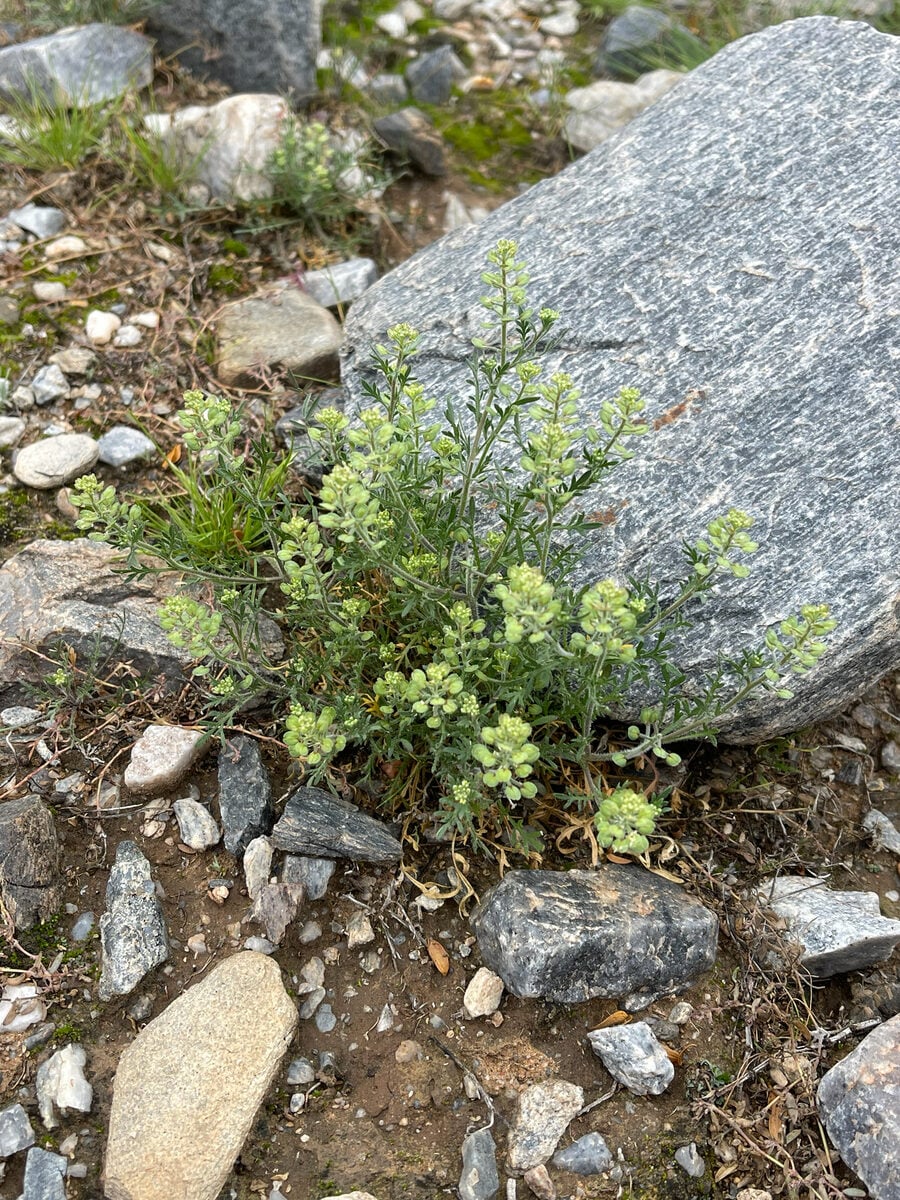
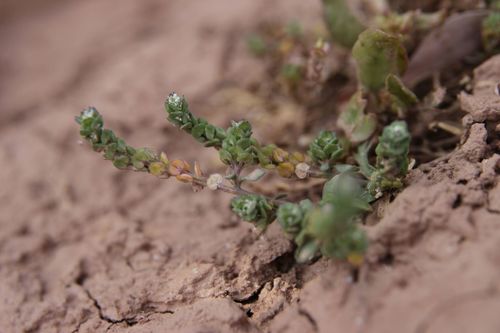
iNaturalist· cc-by-nc
(c) Giovanni Perico, some rights reserved (CC BY-NC), uploaded by Giovanni Perico
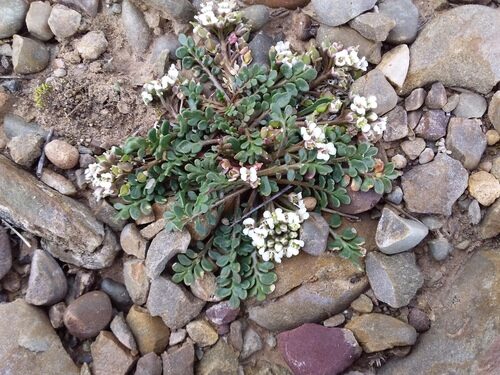
iNaturalist· cc-by-nc
(c) Pyak Andrei, some rights reserved (CC BY-NC), uploaded by Pyak Andrei
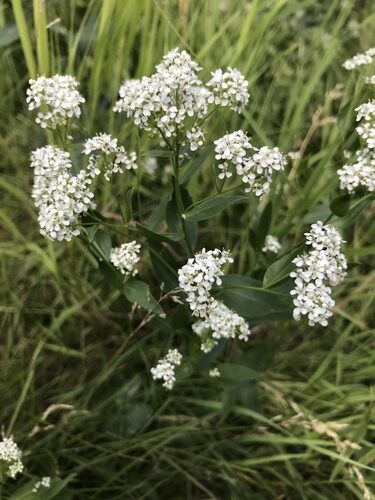
iNaturalist· cc-by-nc
(c) François Plourde - Renard frak, some rights reserved (CC BY-NC), uploaded by François Plourde - Renard frak
Description
A herb. It can grow 70 cm tall. The leaves are 30 cm long and have teeth or lobes along the edge. The flowers have spoon-shaped yellow petals.
This description is brief — help expand it
Edible Uses
The leaves are eaten in salads after boiling for 5-10 minutes and soaking in water to remove the bitter taste, or used to flavor fish soup. The plant is sold in local markets.
Traditional Uses
It is used to flavour fish soup. The leaves are boiled for 5-10 minutes then soaked in water to remove the bitter taste. They are eaten in salads.
This uses section is brief — help expand it
Distribution
It is a temperate plant. It grows in wetlands. In Papua New Guinea it grows between about 2,000-2,850 m above sea level.
Where It Grows
Armenia, Asia, Australia, Caribbean, Caucasus, China, Ireland, North America, Pakistan, Panama, Papua New Guinea, PNG, Turkey, Türkiye, USA,
Other Information
It is sold in local markets.
Synonyms
Also Known As
Ktsvich, Paron banjar
References (7)
- Bourke, R. M., Altitudinal limits of 230 economic crop species in Papua New Guinea. Terra australis 32
- Ertug, F, Yenen Bitkiler. Resimli Türkiye Florası -I- Flora of Turkey - Ethnobotany supplement
- Luo, B., et al, 2019, Wild edible plants collected by Hani from terraced rice paddy agroecosystem in Honghe Prefecture, Yunnan, China. Journal of Ethnobiology and Ethnomedicine 15:56
- Moerman, D. F., 2010, Native American Ethnobotany. Timber Press. p 481
- Nanagulyan, S., et al, 2020, Wild plants and fungi sold in the markets of Yerevan (Armenia). Journal of Ethnobiology and Ethnomedicine 16:26
Show all 7 references Hide references
- World Checklist of Useful Plant Species 2020. Royal Botanic Gardens, Kew
- Zhang, Y., et al, 2014, Diversity of wetland plants used traditionally in China: a literature review. Journal of Ethnobiology and Ethnomedicine. 10:72