Erucastrum austroafricanum
Al-Shehbaz & Warwick
Sepaile
iNaturalist· cc-by-sa
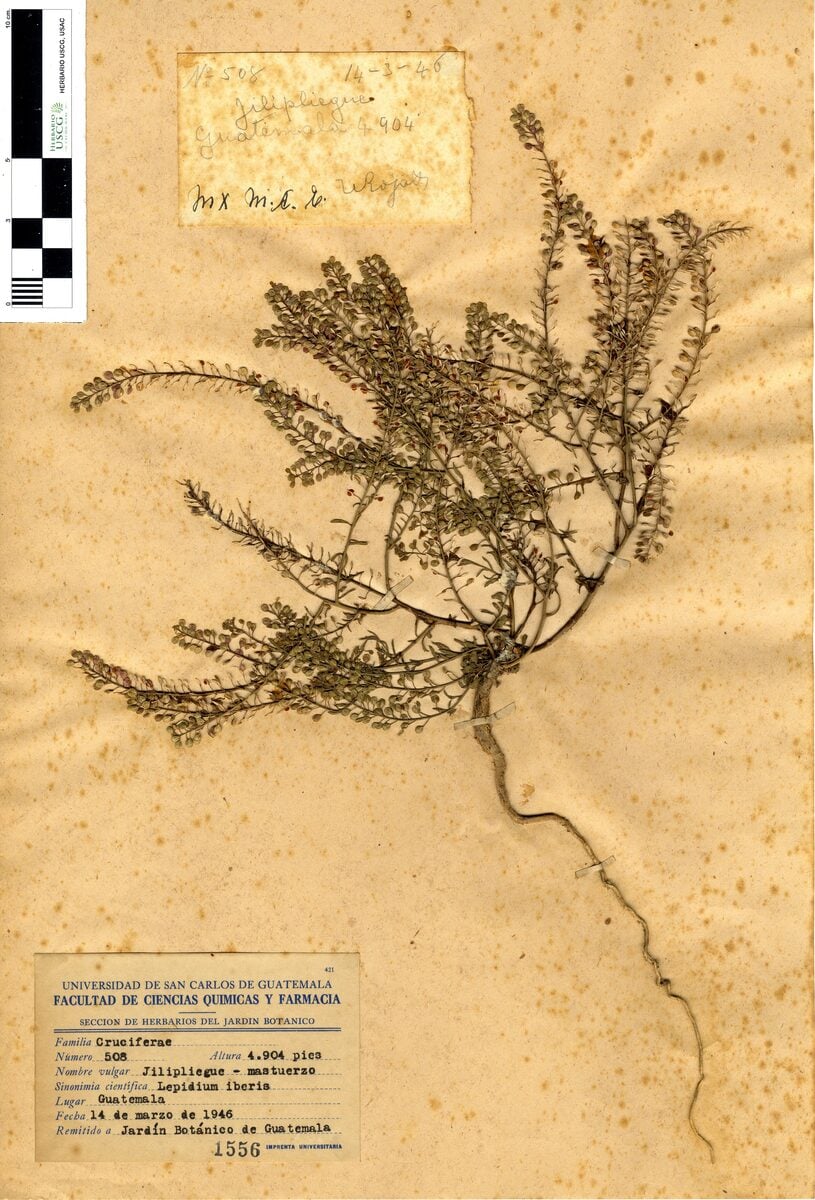
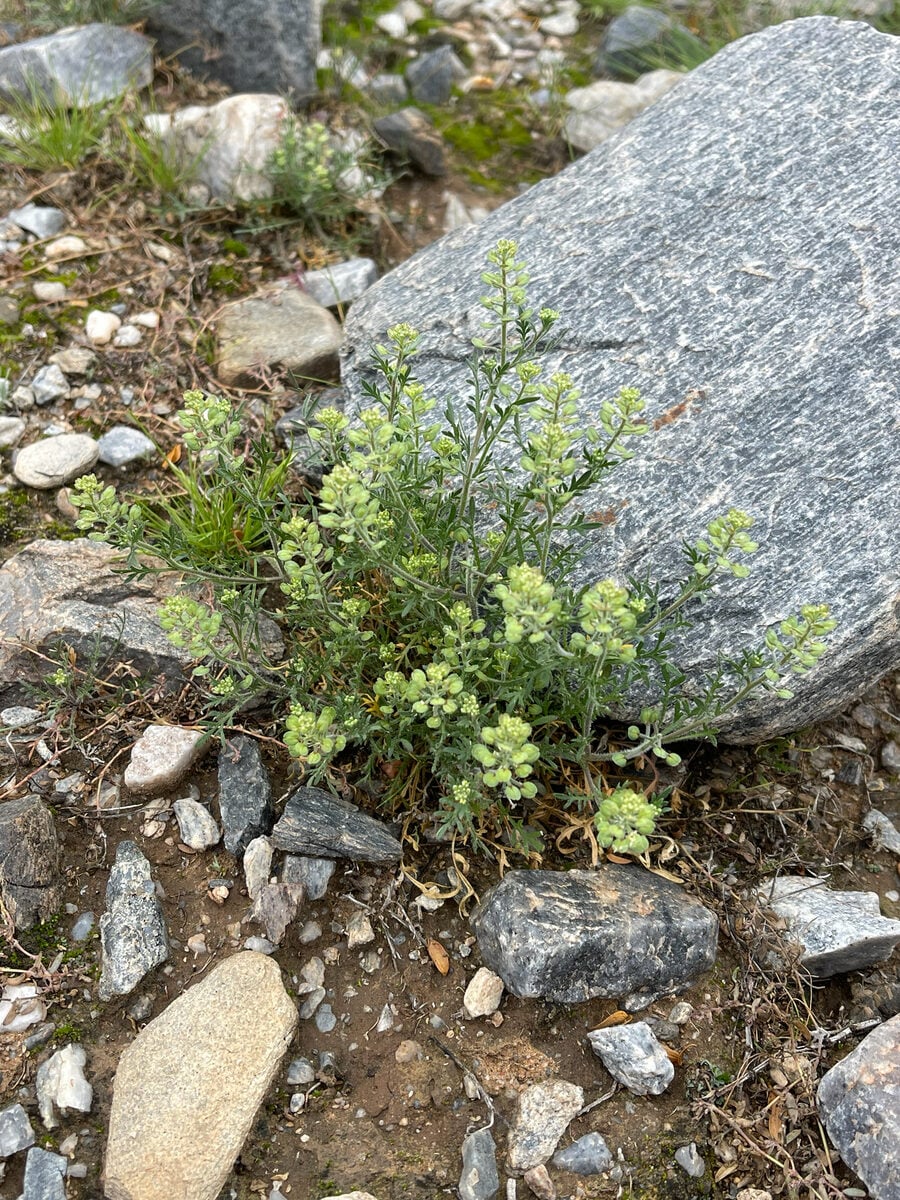
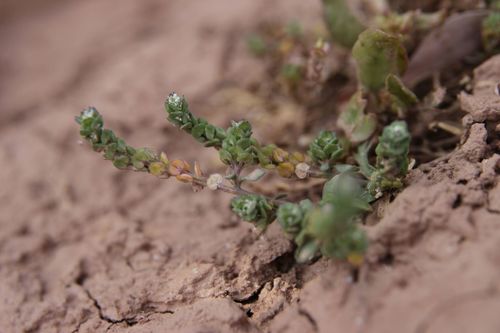
(c) Tony Rebelo, some rights reserved (CC BY-SA), uploaded by Tony Rebelo
iNaturalist· cc-by-nc
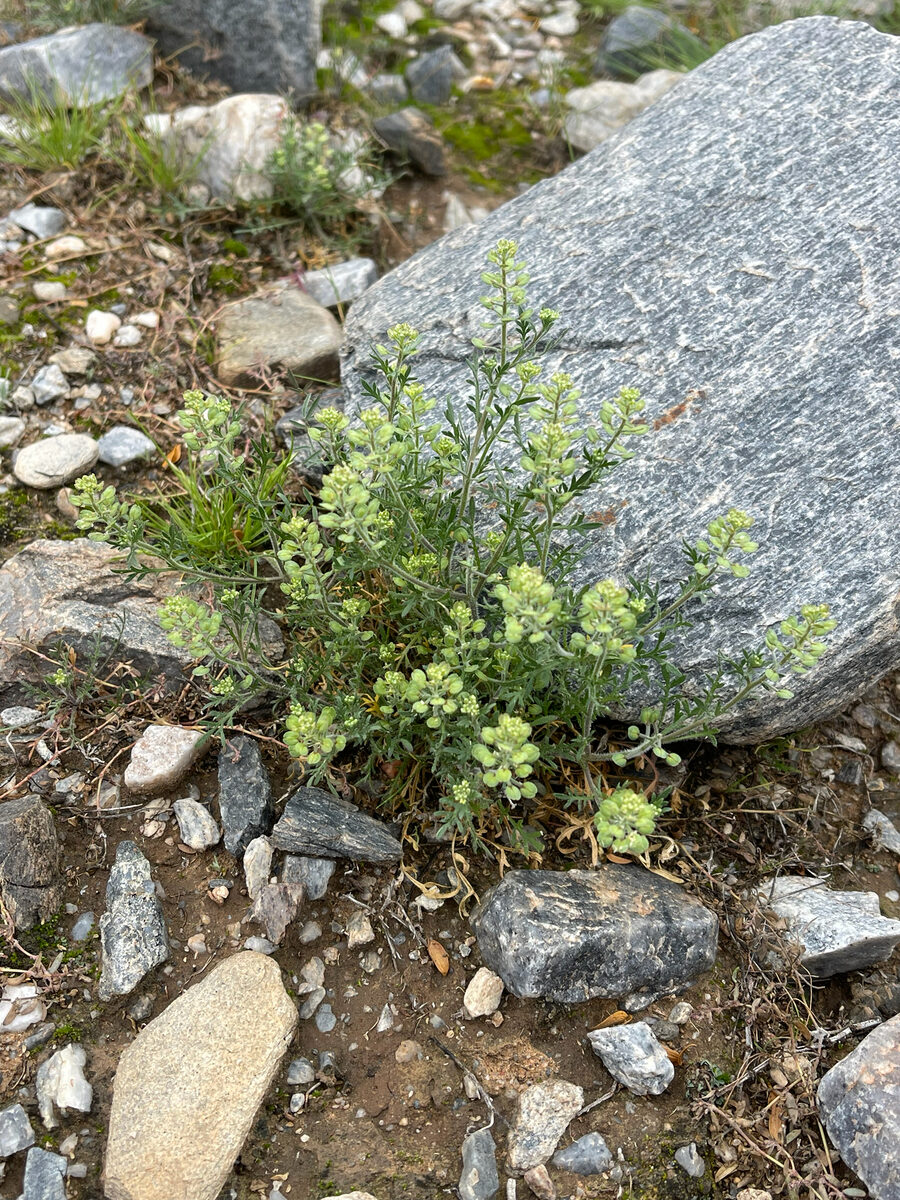
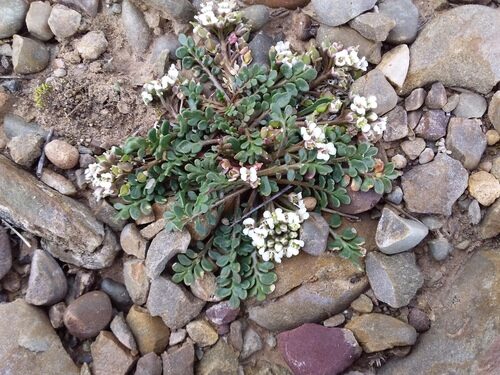
(c) Lemiruni Stephen Lobik, some rights reserved (CC BY-NC), uploaded by Lemiruni Stephen Lobik
iNaturalist· cc-by-nc-sa
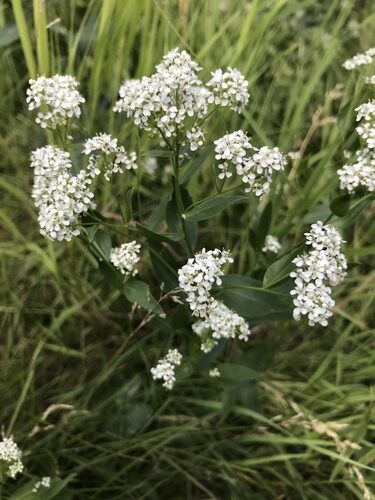
(c) David Hoare, some rights reserved (CC BY-NC-SA), uploaded by David Hoare
Description
An annual herb. It is erect and branched and grows 60 cm tall. The stems have lines along them and are whitish with rough hairs. It has a long stout taproot and a ring of leaves at the base. These are large and deeply lobed. The leaves on the stems have shallow lobes or teeth. The flowers are yellow and 6-8 mm long. They are in dense clusters at the top of the plant. The fruit is long and narrow and curved. It has a beak at the end. The seeds are small and brown. They have a rough surface.
Edible Uses
The young leaves are eaten as a green vegetable.
Traditional Uses
The young leaves are eaten as a green vegetable.
This uses section is brief — help expand it
Distribution
It is a subtropical plant. It can grow in arid places.
Where It Grows
Africa, Australia, Lesotho, South Africa, Southern Africa,
Notes
It can be a troublesome weed.
Nutrition
| Part | Moisture | kJ | kcal | Protein | Vit A | Vit C | Iron | Zinc |
|---|---|---|---|---|---|---|---|---|
| Leaves | 79 | 188 | 45 | 5.1 | — | — | 27.1 | 1 |
Synonyms
Also Known As
Iqange, Isihlalakuhle, Papasane, Sepaile, Tlhako-ea-khomo, Ugange, Upangi, Usiqwashumbe
References (9)
- Fox, F. W. & Young, M. E. N., 1982, Food from the Veld. Delta Books. p 136
- Guillarmod, J., 1966, 1971,
- Letsela, T., et al, 2003, Plant Resources Used for Subsistence in Tsehlanyane and Boking in Lesotho. Economic Botany 57(4): 619-639
- Peters, C. R., O'Brien, E. M., and Drummond, R.B., 1992, Edible Wild plants of Sub-saharan Africa. Kew. p 98
- Royal Botanic Gardens, Kew (1999). Survey of Economic Plants for Arid and Semi-Arid Lands (SEPASAL) database. Published on the Internet; http://www.rbgkew.org.uk/ceb/sepasal/internet [Accessed 15th April 2011]
Show all 9 references Hide references
- Ruiters-Welcome, A. K., 2019, Food plants of southern Africa. Ph.D. thesis. Univ. of Johannesburg p 39
- van Wyk, Be., & Gericke, N., 2007, People's plants. A Guide to Useful Plants of Southern Africa. Briza. p 76
- Wehmeyer, A. S, 1986, Edible Wild Plants of Southern Africa. Data on the Nutrient Contents of over 300 species
- Welcome, A. K. & Van Wyk, B.-E., 2019, An inventory and analysis of the food plants of southern Africa. South African Journal of Botany 122 (2019) 136–179