Carum involucratum
(Roxb.) Baill.
Apiaceae Edible: Leaves, Leaves - spice
No photos yet for Carum involucratum
Sign in to contribute a photoDescription
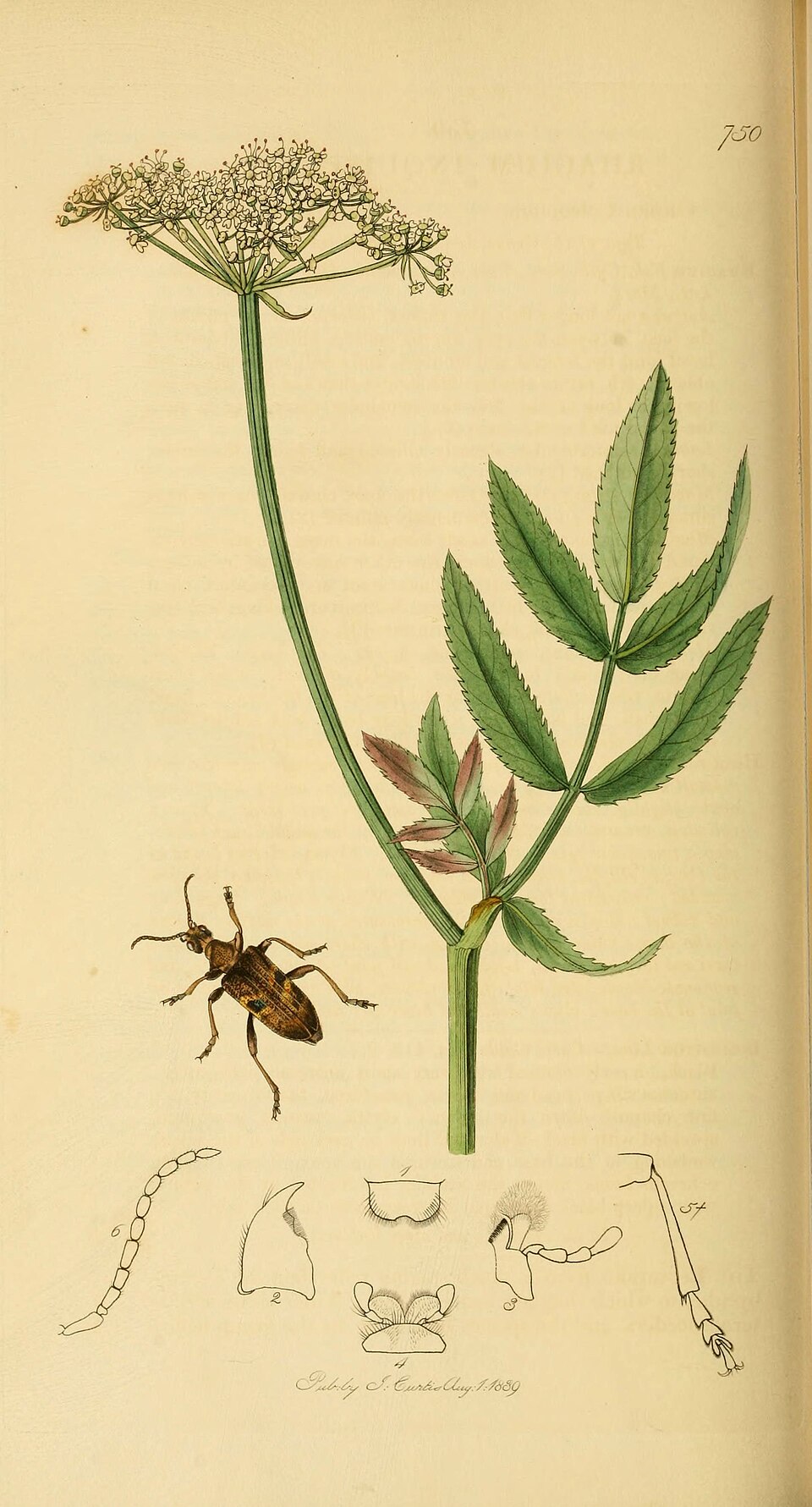
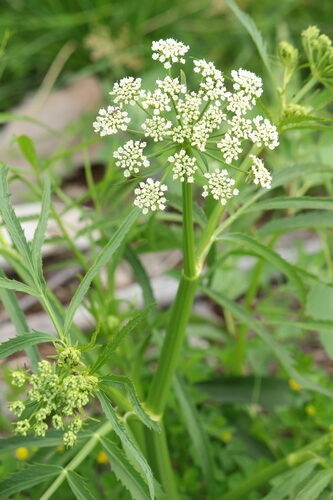
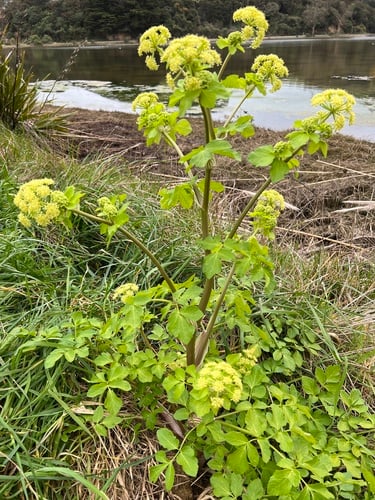
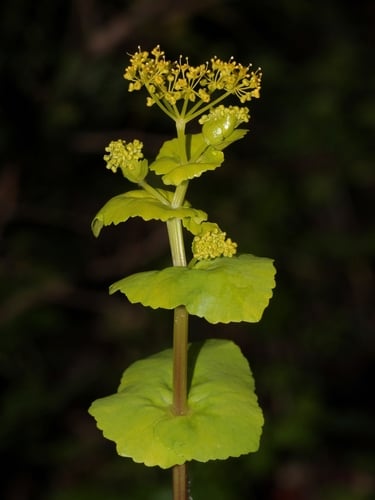
An annual herb. It has many branches. It has an aroma. It grows 15-75 m tall. The leaves are small and alternate. They are 2-12 cm long by 2-10 cm wide.
Edible Uses
The leaves and stems are eaten raw or steamed and are used in chutney. Leaves are sold in local markets.
Traditional Uses
The leaves and stems are eaten raw or steamed. They are used in chutney.
This uses section is brief — help expand it
Distribution
It is a tropical plant. It grows from sea level to 750 m above sea level.
Where It Grows
Asia, India, Indonesia, Northeastern India, SE Asia,
Other Information
Leaves are sold in local markets.
Notes
There are 30 Carum species.
Also Known As
Bakho gamram, Khum hoi, Pletik apu, Surage, Terseli
References (4)
- Martin, F.W. & Ruberte, R.M., 1979, Edible Leaves of the Tropics. Antillian College Press, Mayaguez, Puerto Rico. p 222
- Medhi, P. & Borthakur, S. K., 2012, Phytoresources from North Cachur Hills of Assam -3: Edible plants sold at Hflong market. Indian Journal of Natural Products and Resources. 3(1) pp 84-109
- Medhi, P., Sarma, A and Borthakur, S. K., 2014, Wild edible plants from the Dima Hasao district of Assam, India. Pleione 8(1): 133-148
- Ochse, J. J. et al, 1931, Vegetables of the Dutch East Indies. Asher reprint. p 695