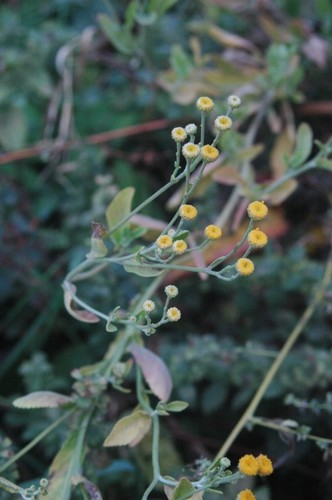
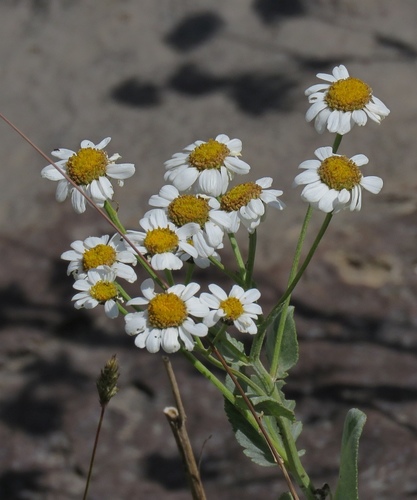
Lygodesmia juncea
(Pursh) D. Don ex Hook.
Rush skeleton plant
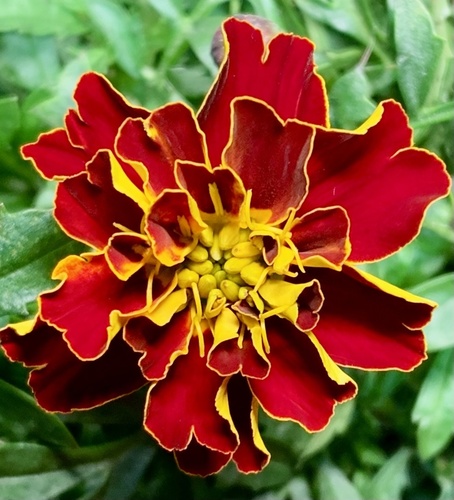
iNaturalist· cc-by-nc
(c) Ken Bosma, some rights reserved (CC BY-NC), uploaded by Ken Bosma
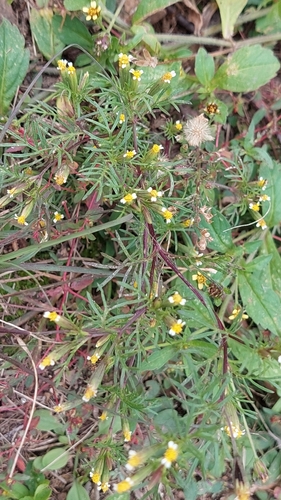
iNaturalist· cc-by-nc
(c) vikkibee, some rights reserved (CC BY-NC), uploaded by vikkibee
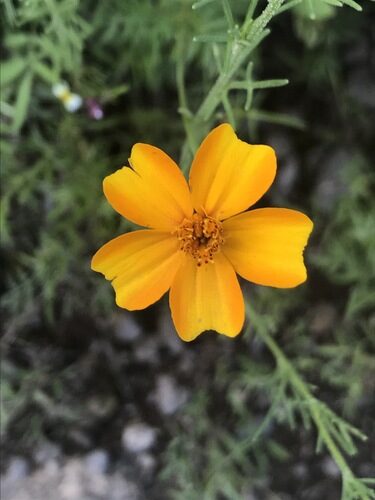
iNaturalist· cc0
no rights reserved, uploaded by Cecelia Alexander
Summary
Source: WikipediaLygodesmia juncea, the rush skeletonplant or just skeletonweed, is a species of flowering plant in the family Asteraceae, native to the western and central United States and western Canada. Widespread and considered somewhat weedy, it is adapted to blowing or otherwise disturbed soils, but not to fire. It is a perennial herb. Petals are pink or violet in color and flowers bloom June to September.
Description
A hardy perennial reaching 0.3 m in height. Hermaphroditic flowers are pollinated by insects. Prefers light sandy and medium loamy soils that are well-drained. Tolerates mildly acidic to basic pH ranges and requires full sun. Prefers moist soil conditions.
Edible Uses
A gum from this plant is used for chewing. It is variously reported to come from the seeds, the flowering stems, or the roots — in the latter case the roots were left in the sun until the gum emerged and hardened before being used for chewing.
Traditional Uses
The roots are left in the sun until the gum is released and hardened and then chewed.
This uses section is brief — help expand it
Medicinal Uses
Skeleton weed was used medicinally by various native North American Indian tribes, particularly as a galactogogue, and sees little or no use in modern herbalism. The leaves and stems are galactogogue and tonic. An infusion of the stems has been used to promote milk flow in nursing mothers and to treat smallpox, measles, kidney problems, diarrhoea, heartburn, and burning coughs, as well as serving as a general tonic for children. A poultice of the plant has been applied to rheumatic and swollen joints, and an infusion used as a wash for sore eyes. An infusion of the powdered galls found on the plant is diuretic.
Distribution
It is a temperate plant.
Where It Grows
North America, USA,
Propagation
Sow seed in spring in a cold frame, barely covering it. Prick seedlings into individual pots when large enough to handle and grow on in the greenhouse for at least their first winter, then plant out in late spring or early summer after the last expected frosts. Division can be attempted in spring.
Other Uses
An infusion of the stems mixed with oil has been used as a hair tonic. The crushed stems have been used as insulating foot pads inside shoes.
References (1)
- Moerman, D. F., 2010, Native American Ethnobotany. Timber Press. p 324