Atractylodes japonica
Koidz. ex Kitam.
Sapchu
iNaturalist· cc-by-nc
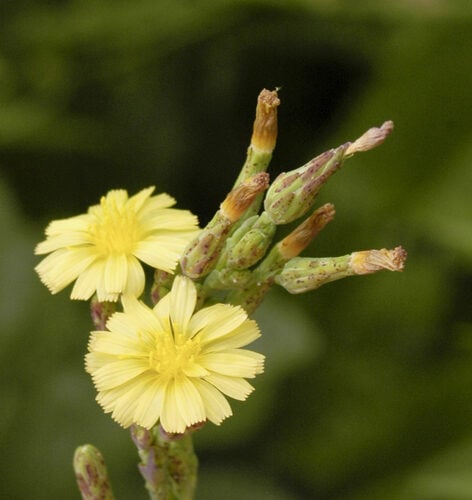
(c) Alexander Ganse, some rights reserved (CC BY-NC)
iNaturalist· cc-by-nc
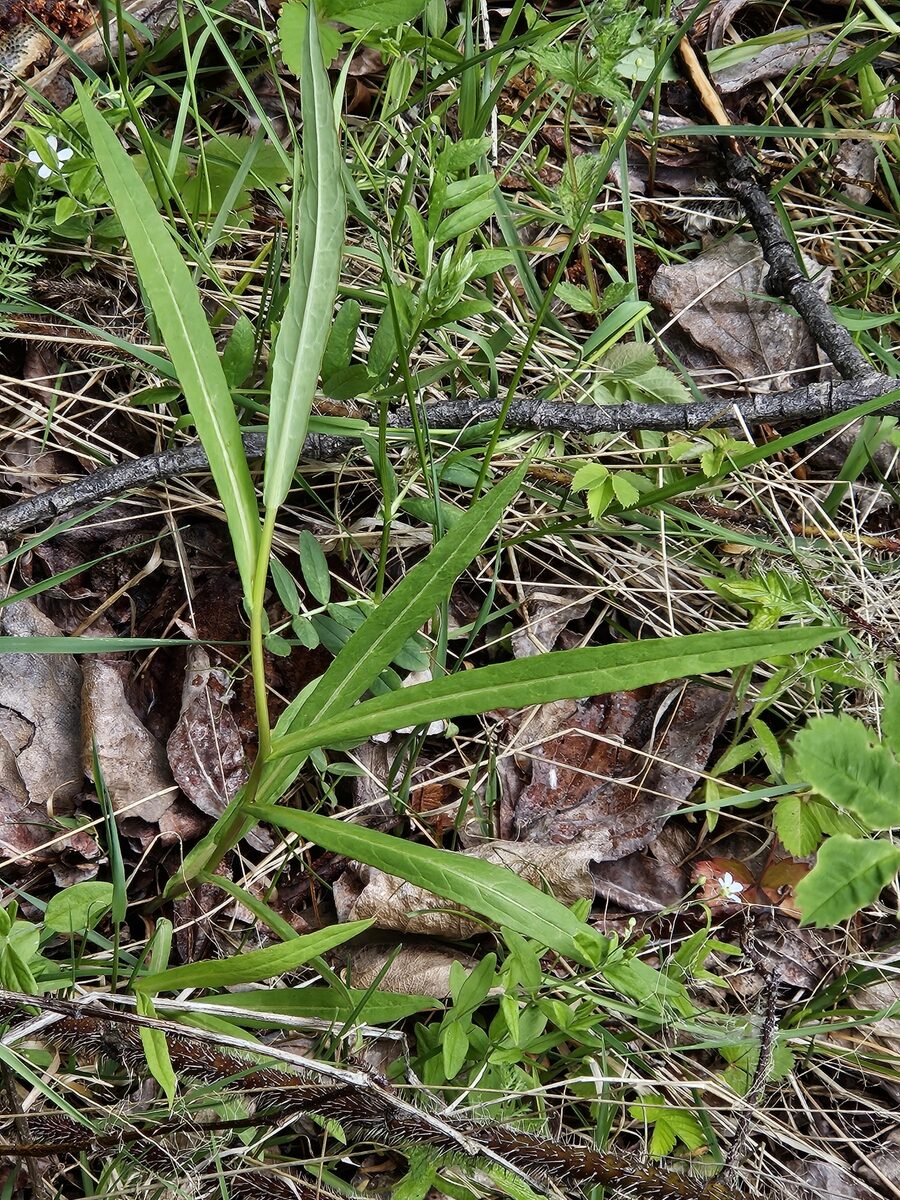
(c) sassskjj, some rights reserved (CC BY-NC)
iNaturalist· cc-by-nc
(c) sassskjj, some rights reserved (CC BY-NC)
Summary
A perennial herb reaching 80cm tall, flowering August to October with seeds ripening the same period. Monoecious with both male and female flowers on individual plants. Tolerates light sandy, medium loamy, and heavy clay soils, preferring well-drained conditions. Grows in semi-shade (light woodland) or full sun. Prefers moist soil and suits mildly acidic, neutral, and basic pH levels.
Description
A perennial herb reaching 80cm tall, flowering August to October with seeds ripening the same period. Monoecious with both male and female flowers on individual plants. Tolerates light sandy, medium loamy, and heavy clay soils, preferring well-drained conditions. Grows in semi-shade (light woodland) or full sun. Prefers moist soil and suits mildly acidic, neutral, and basic pH levels.
Edible Uses
Edible Parts: Leaves Root Edible Uses: Buds and young leaves. No more details are given. Root - cooked. A famine food used when all else fails.
Medicinal Uses
Antiemetic Appetizer Digestive Diuretic Expectorant Hepatic Hypoglycaemic Stomachic Tonic The rhizome is commonly used in Chinese and Korean herbal medicine. It is antiemetic, appetizer, diaphoretic, digestive, diuretic, stomachic and tonic. The rhizome contains several medically active constituents including an essential oil and sesquiterpenes. It has been shown to help lower blood sugar levels and to exert a protective influence on the liver. It is used in the treatment of gastro-intestinal disorders such as diarrhoea, water retention, mastitis, fistula, rheumatoid arthritis and night blindness.
Distribution
It is a temperate plant. It grows in hills and on mountains.
Where It Grows
Asia, China, Japan, Korea,
Cultivation
We have very little information on this species and do not know if it will be hardy in Britain, though judging by its native range it could succeed outdoors in many parts of this country. This species is closely related to A. lancea. The following notes are based on the general needs of the genus. Succeeds in any well-drained soil in sun or partial shade. This species is dioecious. Both male and female plants need to be grown if seed is required. Another report says that the plant is monoecious, bearing both female and bisexual flowers.
Propagation
Seed - sow spring in a cold frame and only just cover the seed. Prick out the seedlings when they are large enough to handle and plant them out into their permanent positions in the following spring or early summer.
Other Uses
None known Special Uses
Notes
There are 7 Atractylodes species. It probably has anticancer properties.
References (5)
- Acta Phytotax. Geobot. 4:178. 1935
- Chen, B. & Qiu, Z., Consumer's Attitudes towards Edible Wild Plants, Ishikawa Prefecture, Japan. p 22 www.hindawi.com/journals/ijfr/aip/872413.pdf
- Pemberton, R. W. & Lee, N. S., 1996, Wild Food Plants in South Korea: Market Presence, New Crops, and Exports to the United States. Economic Botany, Vol. 50, No. 1, pp. 57-70
- Plants for a Future database, The Field, Penpol, Lostwithiel, Cornwall, PL22 0NG, UK. http://www.scs.leeds.ac.uk/pfaf/
- Yasukawa, K., Medicinal and Edible Plants as Cancer Preventive Agents. Drug Discovery Research in Pharmacognosy. p185 www.intechopen.com