Atractylis gummifera
L.
Masticogna laticifera
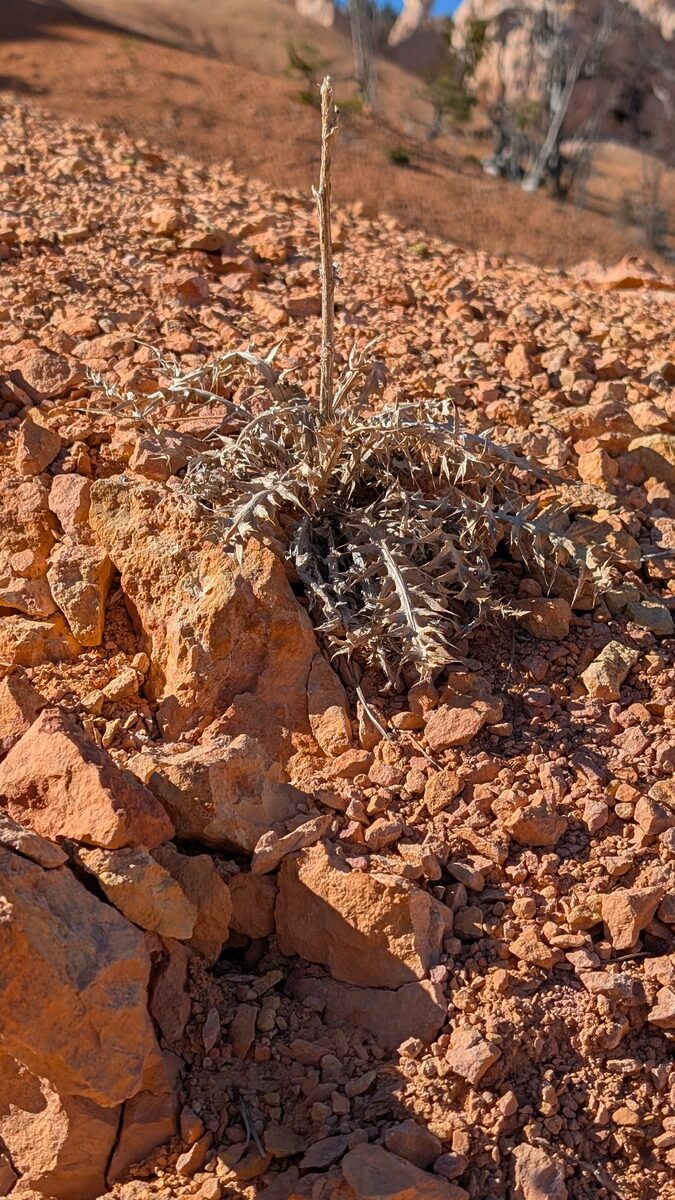
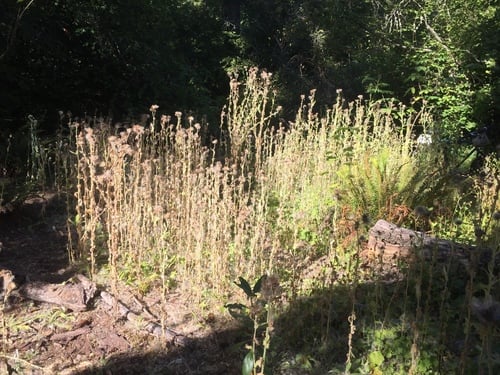
iNaturalist· cc-by-nc
(c) hmsisse, some rights reserved (CC BY-NC)
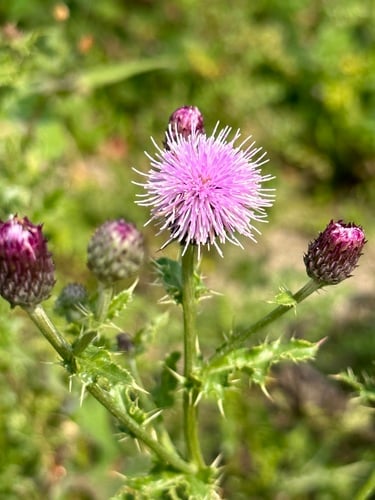
iNaturalist· cc-by-nc
(c) hmsisse, some rights reserved (CC BY-NC)
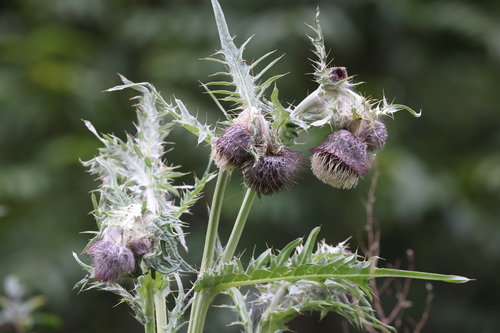
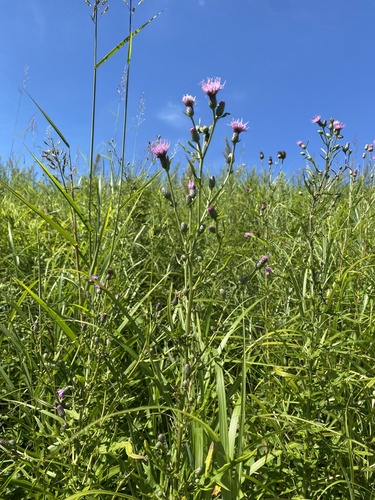
iNaturalist· cc-by-nc
(c) mathias_s, some rights reserved (CC BY-NC)
Summary
Source: WikipediaA herbaceous perennial growing 60cm tall, hardy to UK zone 6. Accepts light sandy, medium loamy, and heavy clay soils. Grows in semi-shade (light woodland) or full sun. Prefers moist soil. Hermaphrodite flowers with suitable pH from mildly acidic to basic soils.
Description
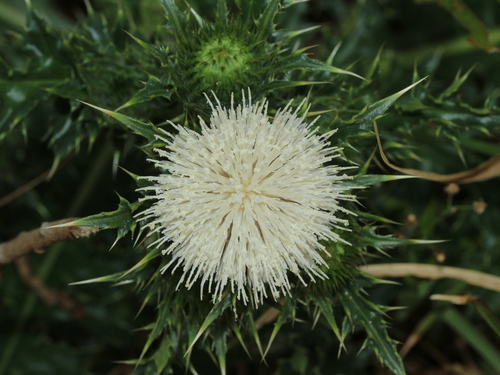
A low thistle like plant. It is stout but stem-less. The plant is hairy in parts. The leaves are oblong and divided into leaflets along the stalk. There are spines at the tip. The stalks sheath at the base. The flower-heads are purple or pink. They are 30-70 mm along. They occur singly. The middle flower bracts have 3 spines at the tip.
Edible Uses
Edible Parts: Edible Uses: Gum Gum A gum obtained from the plant is used for chewing.
Medicinal Uses
None known
Known Hazards
The toxicity of Chamaeleon gummifer is thought to be caused by two related glycosides, atractyloside and carboxyatractyloside. In Morocco, Chamaeleon gummifer is a common cause of plant poisoning, with children being especially vulnerable to severe effects. Accidental ingestion of the plant can be due to confusion with the artichoke thistle, or due to use of its gummy discharge as a chewing gum. Fatal cases of poisoning are not uncommon, even with treatment of symptoms. At least 98 fatalities occurred due to Chamaeleon gummifer poisoning in Morocco between 1981 and 2004, most of whom were children under the age of 16. Severe cases may be associated with liver and kidney failure. There is currently no specific treatment to poisoning by Chamaeleon gummifer.
Distribution
It is a Mediterranean climate plant. It grows in dry habitats. It can grow in arid places.
Where It Grows
Africa, Algeria, Europe, Greece, Italy, Mediterranean, Morocco, North Africa, Sicily, Spain, Tunisia,
Cultivation
We have very little information on the cultivation needs of this species, but it succeeds outdoors at Bristol Botanical Gardens, where it flowers and sets viable seed. It is likely to prefer a well-drained soil and a sunny position. It strongly dislikes winter wet. A monocarpic plant, living for a number of years without flowering, but then dying after it does flower.
Propagation
Seed - sow early spring in a greenhouse or cold frame. When large enough to handle, prick out the seedlings into individual pots and grow them on in the cold frame until they are planted out in early summer. Alternatively, the seed can be sown in situ in mid to late spring.
Other Uses
Gum Gum A gum obtained from the plant is used as an adulteration for mastic. Mastic (obtained from Pistacia lentiscus) is used in high grade varnishes, as a fixative in perfumes, tooth pastes, glue (especially for false beards), embalming, a temporary filling for teeth etc. It is used to seal the edges of microscope mounts and is also chewed to preserve the teeth and gums. Special Uses
Synonyms
Also Known As
Card santo
References (7)
- Blamey, M and Grey-Wilson, C., 2005, Wild flowers of the Mediterranean. A & C Black London. p 448
- Lentini, F. and Venza, F., 2007, Wild food plants of popular use in Sicily. J Ethnobiol Ethnomedicine. 3: 15
- Martin, F.W. & Ruberte, R.M., 1979, Edible Leaves of the Tropics. Antillian College Press, Mayaguez, Puerto Rico. p 184
- Rivera, D. et al, 2006, Gathered Mediterranean Food Plants - Ethnobotanical Investigations and Historical Development, in Heinrich M, Müller WE, Galli C (eds): Local Mediterranean Food Plants and Nutraceuticals. Forum Nutr. Basel, Karger, 2006, vol 59, pp 18–74
- Royal Botanic Gardens, Kew (1999). Survey of Economic Plants for Arid and Semi-Arid Lands (SEPASAL) database. Published on the Internet; http://www.rbgkew.org.uk/ceb/sepasal/internet [Accessed 10th April 2011]
Show all 7 references Hide references
- Sp. pl. 2:829. 1753
- Tardio, J., et al, Ethnobotanical review of wild edible plants in Spain. Botanical J. Linnean Soc. 152 (2006), 27-71