Lupinus nootkatensis var. fruticosus
Sims
Nootka lupine
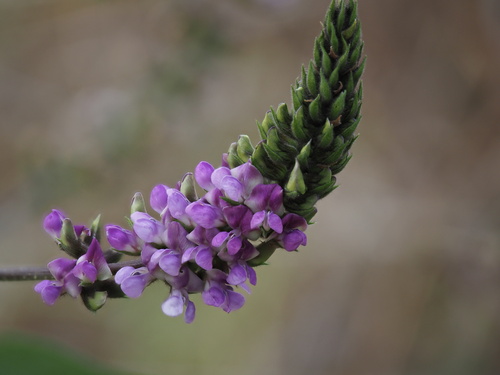
iNaturalist· cc-by-nc
(c) Cory Gregory, some rights reserved (CC BY-NC), uploaded by Cory Gregory
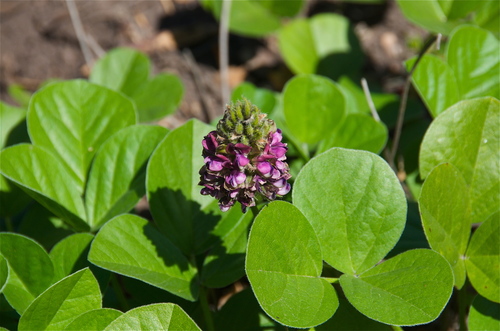
iNaturalist· cc-by-nc
(c) Adam Huggins, some rights reserved (CC BY-NC), uploaded by Adam Huggins
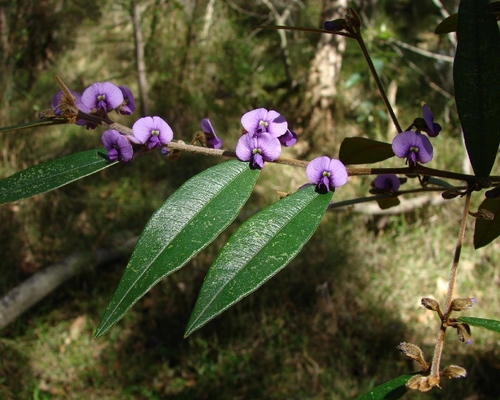
iNaturalist· cc-by-nc
(c) goletaanne, some rights reserved (CC BY-NC)
Summary
Source: WikipediaLupinus nootkatensis, the Nootka lupine, is a perennial plant of the genus Lupinus in the legume family, Fabaceae. It is native to North America and was introduced to Europe in the late 18th century. It grows up to 60 cm tall, and has bright bluish-purple flowers. The Nootka lupine is common on the west coast of North America, and is one of the species from which the garden hybrids are derived, being valued in Britain and other North-European countries for its tolerance of cool, wet summers. In North America, it grows along roadsides, gravel bars, and forest clearings from the Aleutian Islands and Southcentral Alaska, and along the Alaskan panhandle to British Columbia. It is a rigorous self-seeder and can often be seen along roadsides and in open meadows. Their long tap roots make transplanting difficult, so sowing seed is preferable.
Description
A herbaceous plant in the Fabaceae family found in temperate regions. The roots are peeled and roasted for food.
This description is brief — help expand it
Edible Uses
The roots are peeled and roasted.
Traditional Uses
The roots are peeled and roasted.
This uses section is brief — help expand it
Known Hazards
A member of the pea family (Fabaceae), lupines form seeds in fuzzy pods that may be attractive to children. The seeds of the lupine can be toxic, though toxins flush through the system quickly and are not cumulative. However, internal use is not advised.
Distribution
It is a temperate plant.
Where It Grows
North America, USA,
References (1)
- Moerman, D. F., 2010, Native American Ethnobotany. Timber Press. p 321