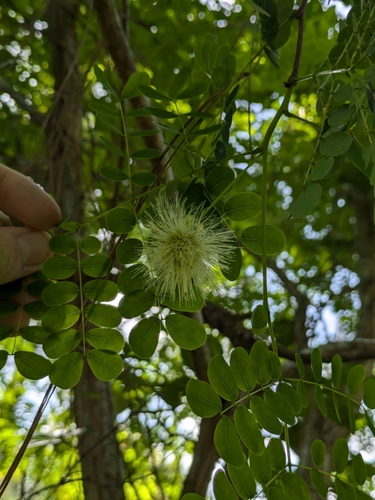
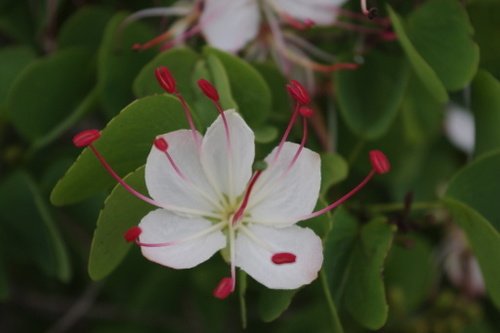
Lespedeza capitata
Michx
Roundhead lespedeza
iNaturalist· cc-by-nc
(c) Link Davis, some rights reserved (CC BY-NC), uploaded by Link Davis
iNaturalist· cc-by-nc
(c) Sadie Hickey, some rights reserved (CC BY-NC), uploaded by Sadie Hickey
iNaturalist· cc-by
(c) Michael J. Papay, some rights reserved (CC BY), uploaded by Michael J. Papay
Summary
Source: WikipediaLespedeza capitata is a species of flowering plant in the Fabaceae, or legume family, and is known by the common name roundhead bushclover, or roundhead lespedeza.
Description
A shrub. It grows 60-150 cm tall. The leaves vary in shape and are 4.5 cm long by 1.8 cm wide. They can be hairy.
This description is brief — help expand it
Edible Uses
The leaves can be boiled to make a tea.
Traditional Uses
A tea is made from the plant.
This uses section is brief — help expand it
Medicinal Uses
The plant contains several biologically active compounds from which pharmaceutical preparations are manufactured. An extract of the plant is of disputed utility in chronic kidney disease. Experimentally, it has shown antitumour activity against Walker-256 carcinosarcoma and is reportedly effective in lowering blood cholesterol levels. It is also believed to reduce blood levels of nitrogen compounds in people with elevated urinary nitrogen. The root has been used as an antidote to poisoning. The stems have been used in moxibustion for the treatment of neuralgia and rheumatism.
Known Hazards
This plant had a number of medicinal uses for Native American groups. It was used as a moxa to treat rheumatism. The Comanche used the leaves for tea. The Meskwaki used the roots to make an antidote for poison. The Pawnee people referred to the plant as rabbit foot (parus-asu) on account of the shape of its fruits and made a tea from the dry stems and leaves when coffee was not available. Among the Omaha and Ponca peoples, it was known as the male buffalo bellow plant.
Distribution
It is a temperate plant. It suits hardiness zones 4-8. It grows on sand dunes and in prairies.
Where It Grows
North America, USA,
Cultivation
Easily grown in a light loam in full sun. The top growth is not very cold tolerant, although the rootstock is considerably hardier. Plants are usually cut back to the ground in all but very mild winters, though they generally resprout well from the base in the following spring and flower in late summer. This species has a symbiotic relationship with certain soil bacteria, these bacteria form nodules on the roots and fix atmospheric nitrogen. Some of this nitrogen is utilized by the growing plant but some can also be used by other plants growing nearby.
Propagation
Pre-soak seed for 24 hours in warm water, then sow in spring in a greenhouse. Prick seedlings into individual pots when large enough to handle and grow on in the greenhouse for at least the first winter. Plant out into permanent positions in late spring or early summer after the last expected frosts. Take half-ripe cuttings of 7–10cm with a heel in July or August, rooting them in individual pots in a frame. Getting cuttings through their first winter can be difficult; plunging the pots in a bed of ashes in a sheltered outdoor border is recommended.
Other Uses
The plant fixes atmospheric nitrogen.
Synonyms
References (4)
- Jackes, D. A., Edible Forest Gardens
- Jordan, J., et al, 2006, Vascular Plants Utilized by the Plains Apache in Southwestern Oklahoma, Publications of the Oklahoma Biological Survey. 2nd Series. Volume 7: 24-33, 2006
- Kermath, B. M., et al, 2014, Food Plants in the Americas: A survey of the domesticated, cultivated and wild plants used for Human food in North, Central and South America and the Caribbean. On line draft. p 482
- Moerman, D. F., 2010, Native American Ethnobotany. Timber Press. p 301