Lathyrus jepsonii subsp. californicus
(S. Wats.) C. L. Hitchc.
iNaturalist· cc-by-nc-sa
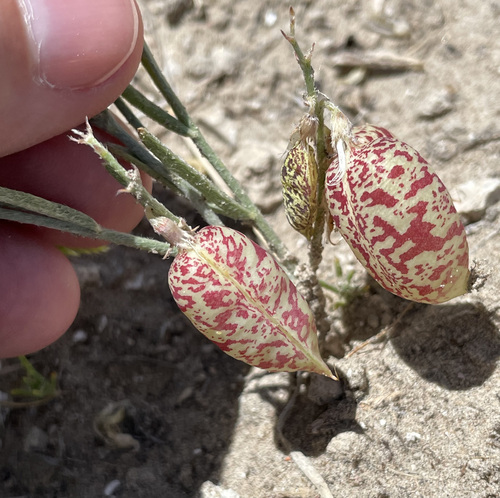
(c) randomtruth, some rights reserved (CC BY-NC-SA)
iNaturalist· cc-by-nc
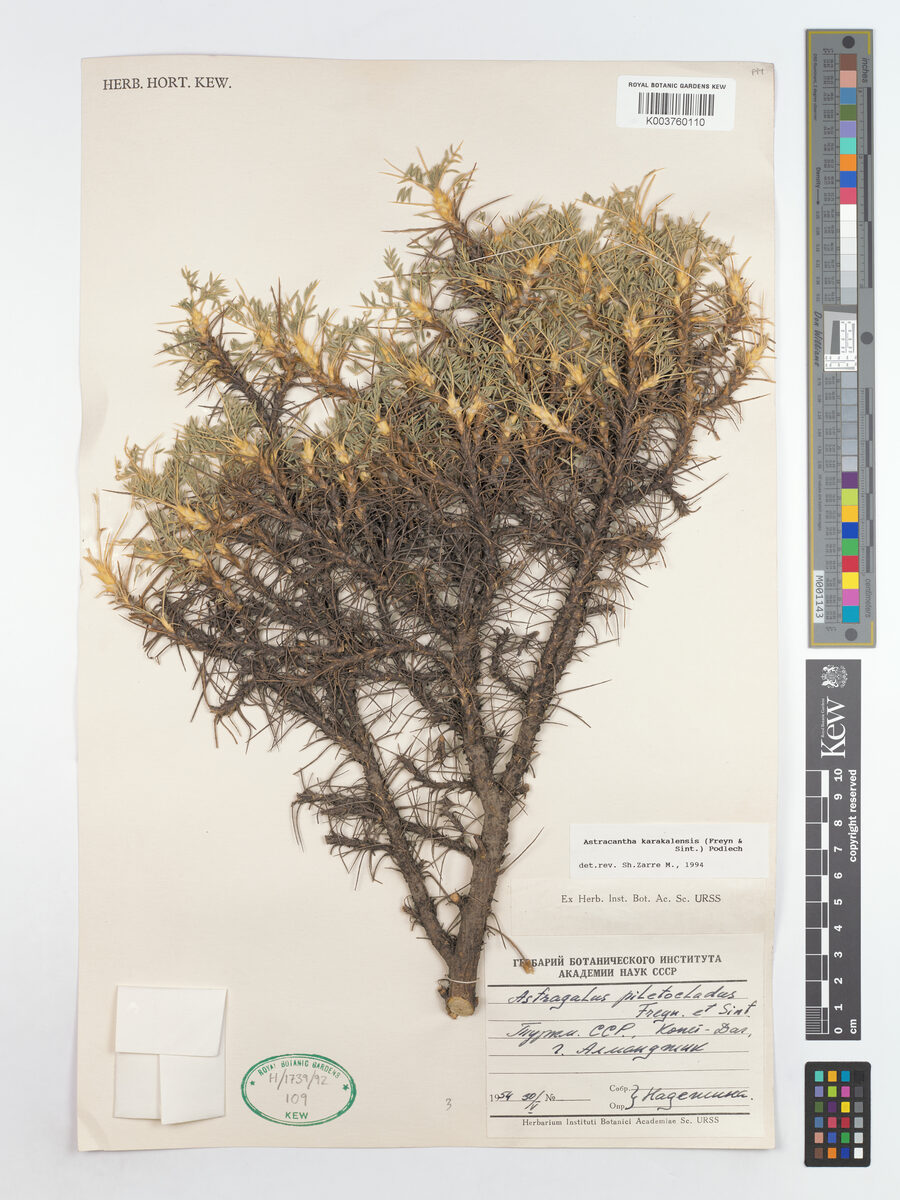
(c) Morgan Stickrod, some rights reserved (CC BY-NC), uploaded by Morgan Stickrod
iNaturalist· cc-by-nc
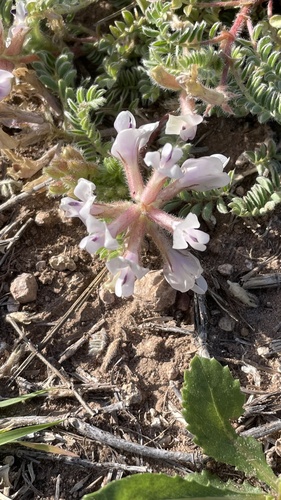
(c) Shane Hanofee, some rights reserved (CC BY-NC), uploaded by Shane Hanofee
Summary
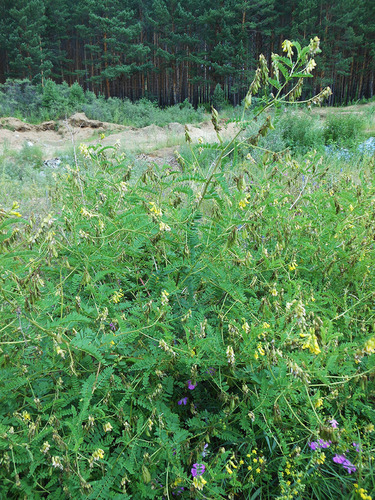
Source: WikipediaLathyrus jepsonii is a species of wild pea known by the common names delta tule pea and Jepson's pea. It is endemic to California, where it grows in a number of habitat types, including forest and estuary. This is a perennial herb with a long, winged stem which climbs by means of branched, coiled tendrils. The leaves are made up of several pairs of lance-shaped leaflets. The plant bears an inflorescence of up to 15 pink or purplish flowers each up to 2 centimeters wide. The fruit is a hairless, dehiscent legume pod. There are two varieties of this species. Lathyrus jepsonii var. californicus is a smaller plant which is sometimes hairy, Lathyrus jepsonii var. jepsonii this rare variety can exceed two meters in height and is hairless, a rare variety which grows in the estuary habitat of the Sacramento-San Joaquin River Delta, the origin of the common name delta tule pea.
Description
A herbaceous plant in the legume family (Fabaceae) that grows in Mediterranean climates. The young seedling sprouts are cooked and eaten.
This description is brief — help expand it
Edible Uses
Young seedling sprouts are cooked and eaten.
Traditional Uses
The young seedling sprouts are cooked and eaten.
This uses section is brief — help expand it
Distribution
It grows in Mediterranean climates.
Where It Grows
North America, USA,
References (2)
- INFOODSUpdatedFGU-list.xls
- Moerman, D. F., 2010, Native American Ethnobotany. Timber Press. p 298