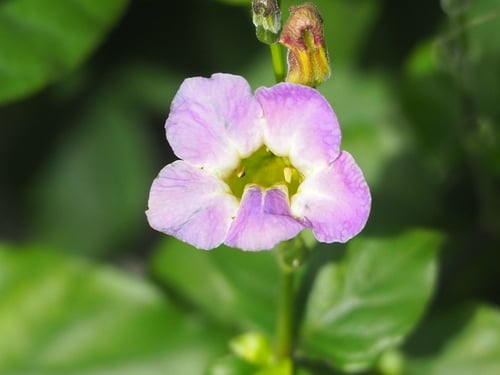
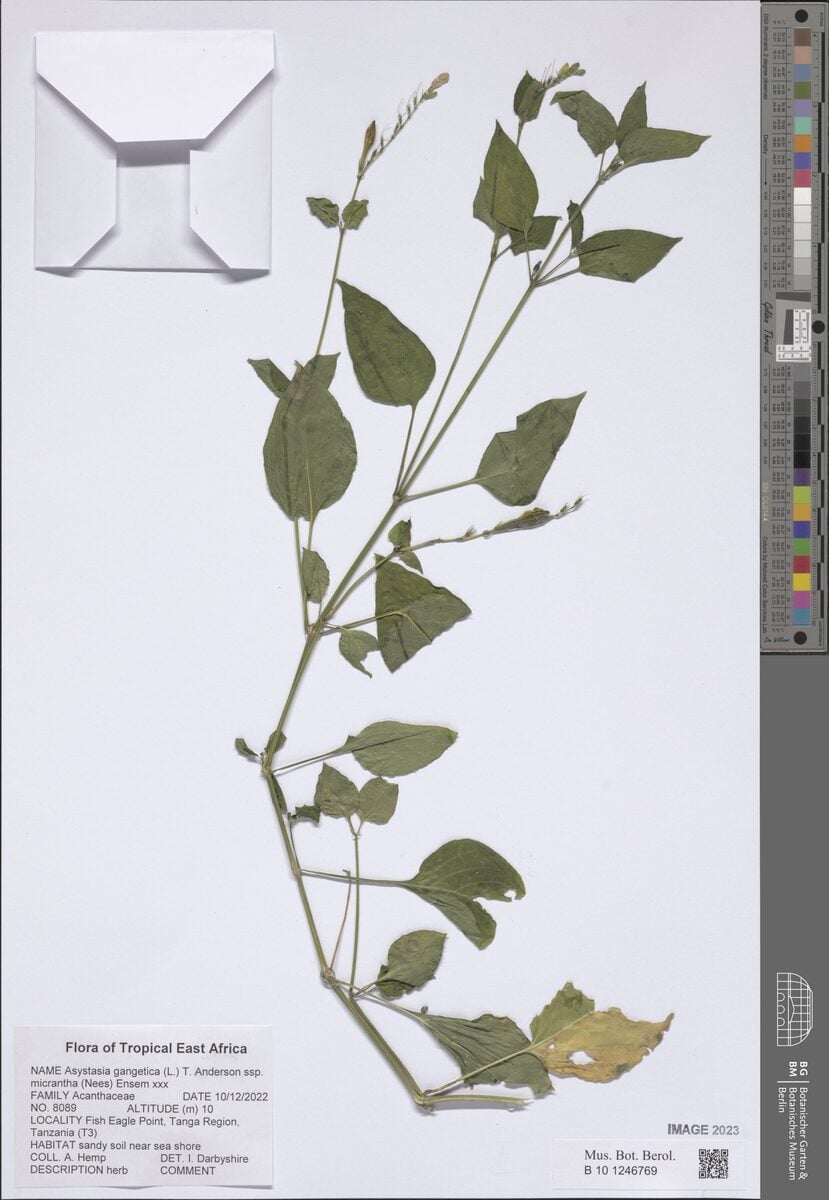
Justicia californica
(Benth.) D. Gibson
Chuparosa, Pisily, Beloperone
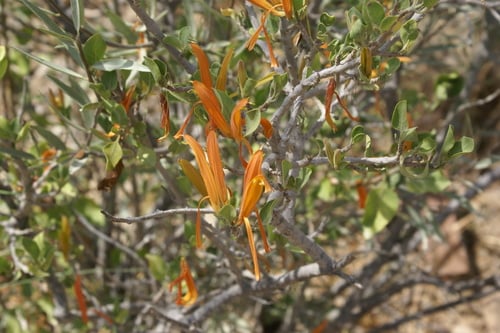
iNaturalist· cc-by-nc
(c) Paul Donahue, some rights reserved (CC BY-NC), uploaded by Paul Donahue
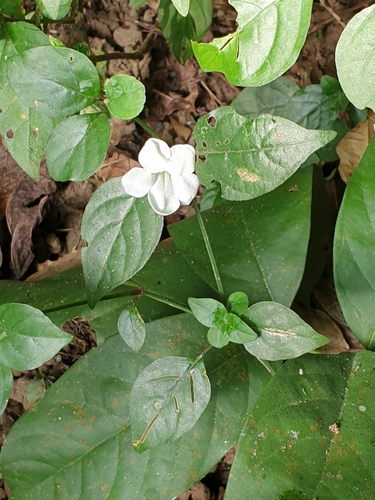
iNaturalist· cc-by
(c) Alix Kosmala, some rights reserved (CC BY), uploaded by Alix Kosmala
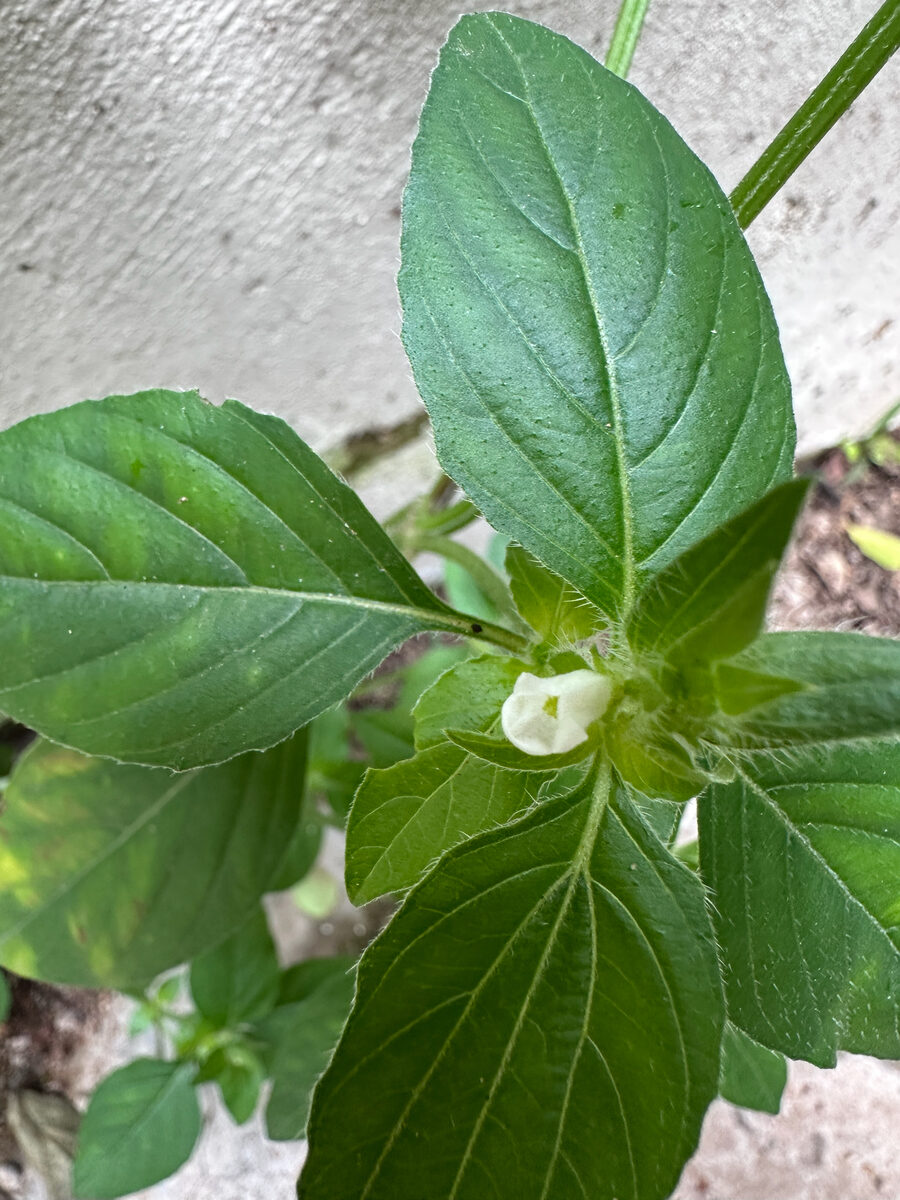
iNaturalist· cc-by-nc
(c) Fred Melgert / Carla Hoegen, some rights reserved (CC BY-NC), uploaded by Fred Melgert / Carla Hoegen
Summary
Source: WikipediaJusticia californica is a deciduous species of flowering shrub native to the deserts of southern California, southern Arizona, and northern Mexico. Its common names include beloperone, chuparosa (from the Spanish: chuparrosa for hummingbird) and hummingbird bush. It can grow to 1.5 metres (5 feet) in height and almost as wide. For a short time it bears succulent leaves about 1.5 centimetres (5⁄8 inch) in width. It loses its leaves and then produces plentiful tubular flowers about 2.5–4 cm (1–1+5⁄8 in) long between February and June. These are usually in shades of bright to deep red, or sometimes yellow, with a two-lobed upper lip and a wide three-lobed lower lip that falls open to reveal the inside of the blossom. It is one of the northernmost distributed species of the mostly tropical genus Justicia. This is a low bush which grows in watered areas of dry, hot sandy regions or rocky terrain of the desert floor, usually below 750 m (2,460 ft) above sea level. Hummingbirds visit the bush to feed on the nectar. Other birds eat the sugar-rich flower centers. This plant is sometimes cultivated as a landscape ornamental in desert regions for its bright flowers and to attract birds. The plant is thought to have been eaten by Native Americans of the Southwest.
Description
A shrub. It has a dense cluster of stems and leaves. The flowers are tube shaped and reddish-orange.
This description is brief — help expand it
Edible Uses
The flowers are sucked for their nectar. The red flowers can be eaten raw or cooked and taste like cucumber.
Traditional Uses
The flowers are sucked for their nectar. The red flowers can be eaten raw or cooked. They taste like cucumber.
This uses section is brief — help expand it
Medicinal Uses
Justicia californica has been found to have antimicrobial properties and thus has medicinal potential. The plant contains useful phytochemicals, phenolic compounds, and flavonoids throughout the root system, stem, and leaves. Glycosides used to treat heart disease were also present in Justicia californica. The flower of this plant is also edible and was known to be eaten by the local Native Americans such as the Diegueno tribe and the Spanish. The nectar from the flowers can be consumed by itself or the entire flower can be used in a salad.
Distribution
It is a subtropical plant. It grows in arid places.
Where It Grows
Mexico, North America, USA,
Production
It flowers throughout the year.
Synonyms
Also Known As
Chuparosa
References (6)
- Bot. voy. Sulphur 38. 1844 (As Beloperone californica)
- Facciola, S., 1998, Cornucopia 2: a Source Book of Edible Plants. Kampong Publications. p 1 (As Beloperone californica)
- Felger, R. S. 1980, Vegetation and Flora of the Gran Desierti, Sonora, Mexico. Desert Plants 2(2). Arizona-Sonora Desert Museum. p 9
- https://www.fireflyforest.com/flowers/category/edible-plants/ Edible Plants – Southeastern Arizona Wildflowers and Plants
- Moerman, D. F., 2010, Native American Ethnobotany. Timber Press. p 292
Show all 6 references Hide references
- Sonorensis Newsletter 2009 - Arizona Sonora Desert Museum