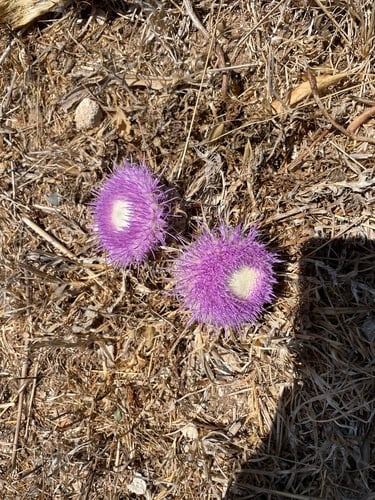
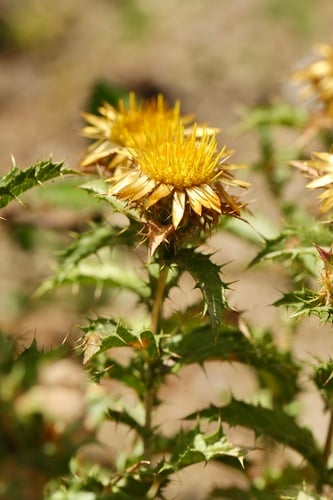
Hymenoxys richardsonii
(Hook.) Cockerell
iNaturalist· cc-by-sa
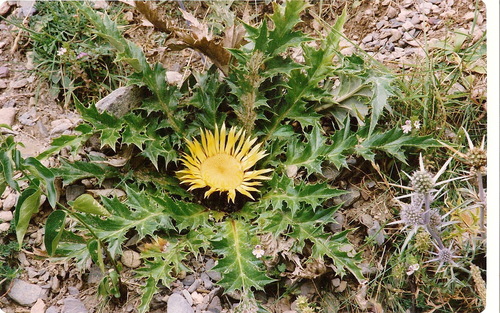
(c) Matt Lavin, some rights reserved (CC BY-SA)
iNaturalist· cc-by-nc
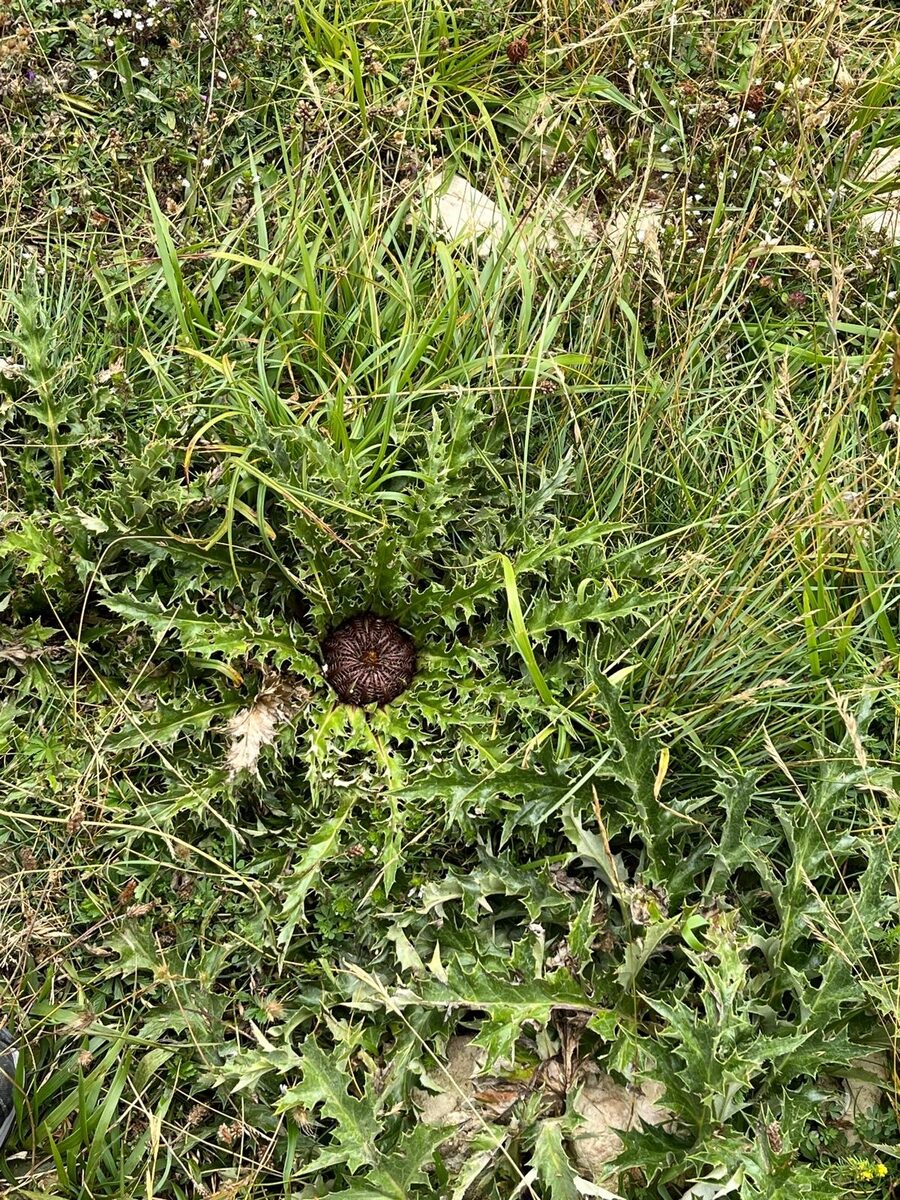
(c) once-ler, some rights reserved (CC BY-NC), uploaded by once-ler
iNaturalist· cc-by-nc
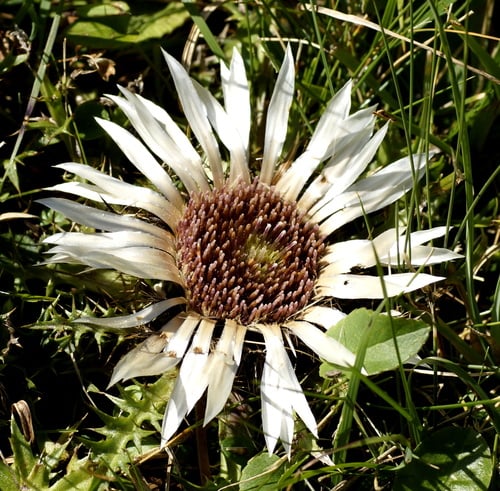
(c) Jennifer Ackerfield, some rights reserved (CC BY-NC), uploaded by Jennifer Ackerfield
Summary
Source: WikipediaHymenoxys richardsonii, the pingue hymenoxys or pingue rubberweed, is a North American species of plants in the sunflower family. It is widespread across the western United States and western Canada from Arizona, New Mexico, and western Texas north as far as Alberta and Saskatchewan. Varieties Hymenoxys richardsonii var. floribunda (A.Gray) K.F.Parker – Arizona, Colorado, New Mexico, Texas, Utah Hymenoxys richardsonii var. richardsonii – Alberta, Saskatchewan, Colorado, Montana, North Dakota, Utah, Wyoming
Description
Hymenoxys richardsonii is a perennial herb growing to 0.2 m tall. Hermaphrodite flowers pollinated by insects. Adapts to light and medium well-drained soils across mildly acidic to basic pH ranges. Grows in semi-shade or full sun and tolerates both dry and moist conditions.
Edible Uses
A latex obtained from the root is used as a chewing gum. The skin of the root is used, and the gum is extracted by pounding the roots.
Traditional Uses
The plant is chewed as a chewing gum. The skin of the root is used to make a chewing gum.
This uses section is brief — help expand it
Medicinal Uses
An infusion of the roots has been used to treat stomach aches. A poultice of the chewed root has been applied as a dressing on sores and rashes.
Distribution
It is a temperate plant.
Where It Grows
North America, USA,
Propagation
No specific information is available for this species, but sowing seed in late winter or early spring in a greenhouse is suggested. Prick seedlings into individual pots when large enough to handle and grow on in a greenhouse for at least their first winter. Plant out in late spring or early summer after the last expected frosts. Can also be propagated by division.
Other Uses
The latex from the root is a potential commercial source of rubber. A yellow dye is obtained from the flowers.
Synonyms
References (4)
- Beckstrom-Sternberg, Stephen M., and James A. Duke. "The Foodplant Database." http://probe.nalusda.gov:8300/cgi-bin/browse/foodplantdb.(ACEDB version 4.0 - data version July 1994) (As Actinea richardsonii)
- Moerman, D. F., 2010, Native American Ethnobotany. Timber Press. p 271
- Usher, G., 1974, A Dictionary of Plants Used by Man. Constable. p 19 (As Actinea richardsonii)
- World Checklist of Useful Plant Species 2020. Royal Botanic Gardens, Kew