Agoseris aurantiaca
(Hook.) Greene
Mountain dandelion, Orange Agoseris, Orange-flower Goat-chicory, False dandelion
iNaturalist· cc-by-nc
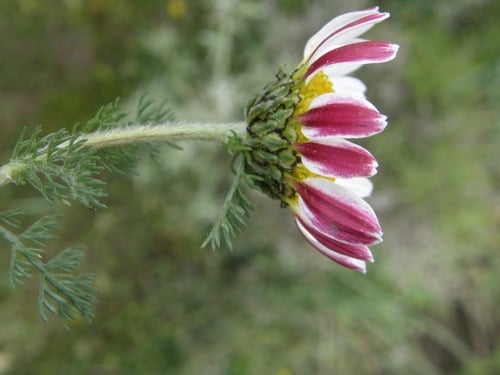
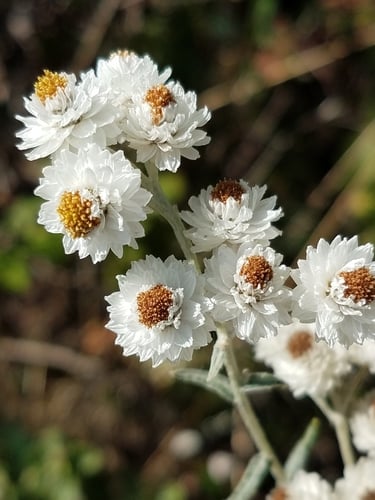
(c) Kelly Dix, some rights reserved (CC BY-NC), uploaded by Kelly Dix
iNaturalist· cc-by-nc
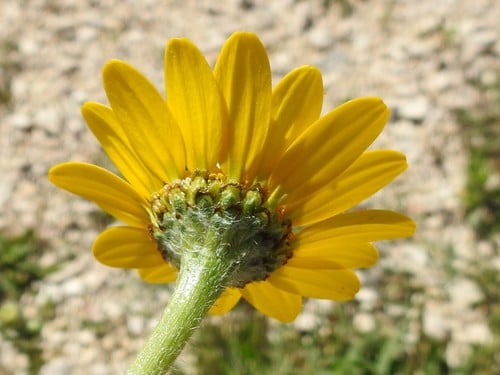
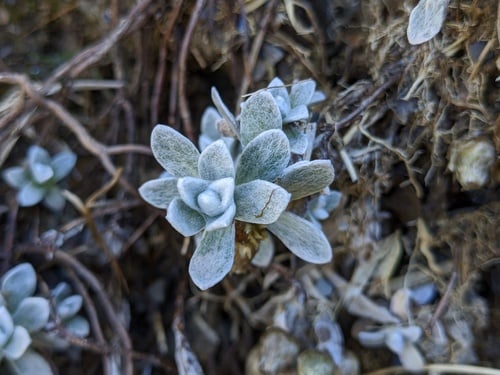
(c) creekycedars, some rights reserved (CC BY-NC)
iNaturalist· cc-by-nc
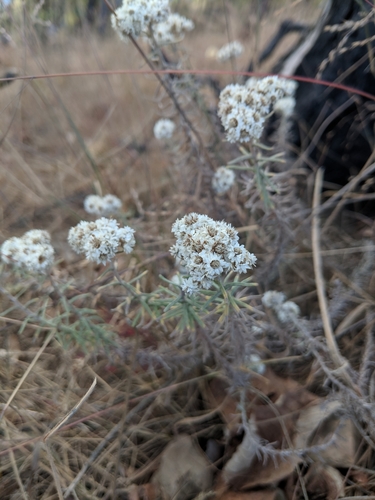
(c) Greg Pappas, some rights reserved (CC BY-NC), uploaded by Greg Pappas
Summary
Source: WikipediaAgoseris aurantiaca is a species of plant in the family Asteraceae, commonly called orange agoseris, pink false dandelion or mountain dandelion. It is widespread in western North America.
Description
A perennial herb which grows 60 cm high. It has a strong rootstock that curves upwards. The leaves are at the base and are almost entire with shallow teeth. The flowers are reddish-orange and in heads. The heads occur singly.
Edible Uses
Leaves can be eaten raw or cooked as a spinach. The root juice has been used as a chewing gum.
Traditional Uses
The leaves are eaten cooked like spinach. They can be eaten raw or cooked. The root gum is used as a chewing gum.
This uses section is brief — help expand it
Medicinal Uses
A cold infusion of the plant is used as a lotion for treating wounds. Wet leaves were rubbed onto swollen arms, wrists, or ankles.
Distribution
It is a temperate plant. It grows naturally in meadows and woodlands from moderate to high elevations in Western North America from Canada to California. It grows in sandy low nutrient soils in a sunny position.
Where It Grows
Alaska, Canada, North America, USA,
Cultivation
Plants can be grown from seed. The seed are sown in a nursery and usually germinate in 2 - 6 weeks at 15°C. Plants can also be grown by careful division of the clump in spring.
Propagation
Sow seed in spring in a greenhouse; germination typically occurs within 2–6 weeks at 15°C. Once seedlings are large enough to handle, prick them out into individual pots and plant out in summer or the following late spring. Divide with care in spring, noting that the plants dislike root disturbance — pot up divisions and keep them in a cold frame or greenhouse until established.
Other Uses
None known.
Other Information
It is a famine food.
Synonyms
References (7)
- Beckstrom-Sternberg, Stephen M., and James A. Duke. "The Foodplant Database." http://probe.nalusda.gov:8300/cgi-bin/browse/foodplantdb.(ACEDB version 4.0 - data version July 1994)
- Bircher, A. G. & Bircher, W. H., 2000, Encyclopedia of Fruit Trees and Edible Flowering Plants in Egypt and the Subtropics. AUC Press. p 15
- Cormack, R. G. H., 1967, Wild Flowers of Alberta. Commercial Printers Edmonton, Canada. p 342
- MacKinnon, A., et al, 2009, Edible & Medicinal Plants of Canada. Lone Pine. p 336
- Plants for a Future database, The Field, Penpol, Lostwithiel, Cornwall, PL22 0NG, UK. http://www.scs.leeds.ac.uk/pfaf/
Show all 7 references Hide references
- Porsild, A.E., 1974, Rocky Mountain Wild Flowers. Natural History Series No. 2 National Museums of Canada. p 382
- Scotter, G. W., & Flygare, H., 1993, Wildflowers of the Canadian Rockies. Hurtig. p 96