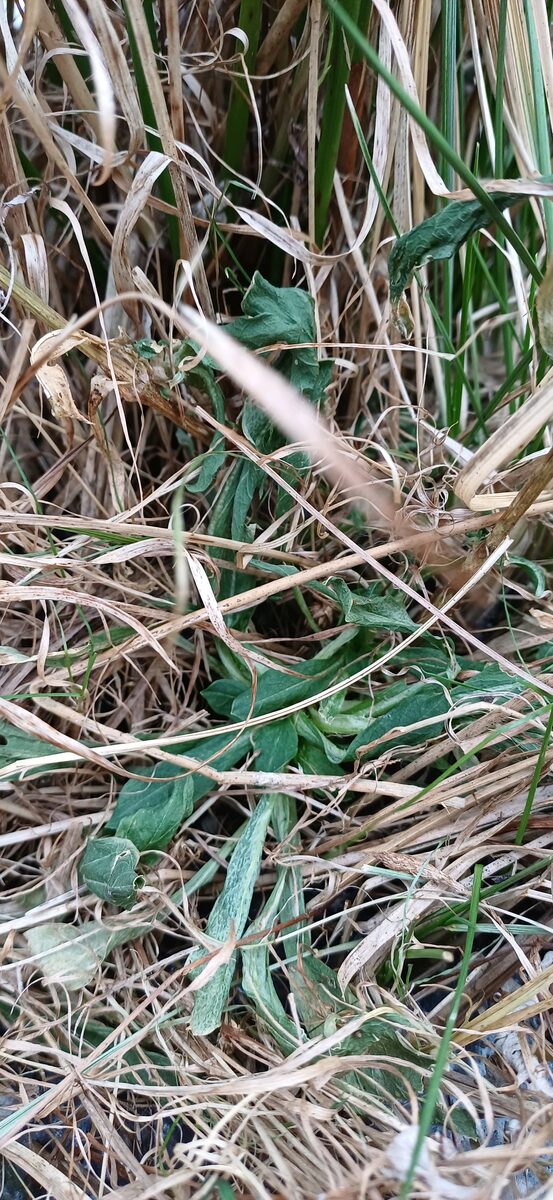
Honckenya peploides subsp. major
(L.) Ehrh.
iNaturalist· cc-by-nc
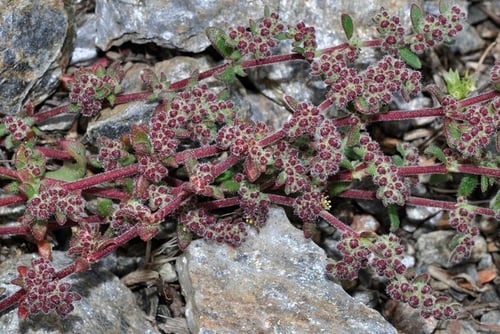
(c) Дмитрий Мезенин, some rights reserved (CC BY-NC), uploaded by Дмитрий Мезенин
iNaturalist· cc-by-nc
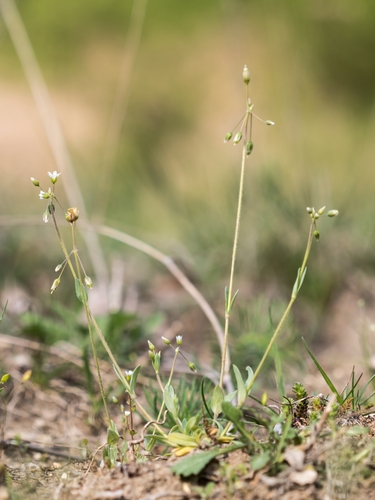
(c) Andy Fyon, some rights reserved (CC BY-NC), uploaded by Andy Fyon
iNaturalist· cc-by-nc
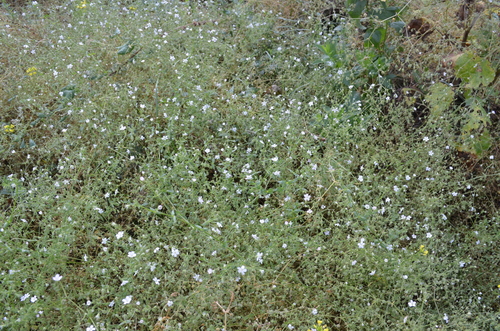
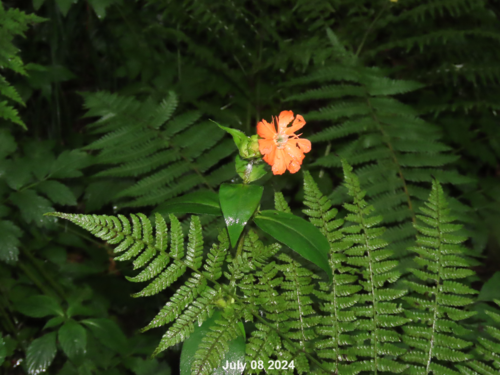
(c) Thomas Schreiter, some rights reserved (CC BY-NC), uploaded by Thomas Schreiter
Description
A cold temperate plant from the carnation family (Caryophyllaceae) with succulent leaves. It grows on gravel and sandy soils along beaches.
This description is brief — help expand it
Edible Uses
Both the leaves and the seeds of H. peploides are used as food. The shoots and leaves are rich in vitamin A and vitamin C and can be used as a green leafy vegetable either raw or cooked. They can also be fermented to prepare a sauerkraut-like preserve, and in Iceland are fermented in whey to produce a drink. The seeds are small in size and time-consuming to gather; they can be ground up and added to flour or used as a garnish.
Traditional Uses
The leaves are eaten fresh and raw. They are also chopped and cooked to make deserts. The leaves are eaten as a potherb and also used to make sauerkraut. They can be boiled and eaten with seal oil.
Distribution
It is a cold temperate plant. It grows on gravel and sandy soils along beaches.
Where It Grows
Asia, Korea, North America, USA,
Production
Plants are collected before they flower.
References (2)
- Ager, T. A. & Ager, L. P., 1980, Ethnobotany of the eskimos of Nelson Island, Alaska. Arctic Anthropology Vol 17. No. 1 pp 26-48
- Moerman, D. F., 2010, Native American Ethnobotany. Timber Press. p 268