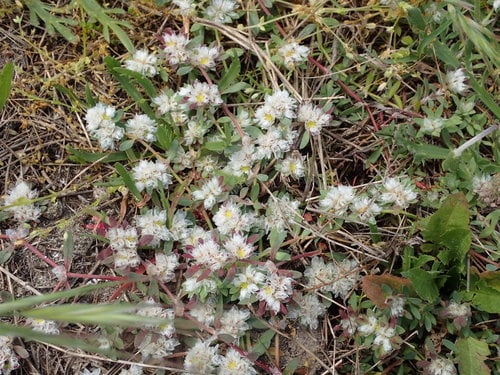
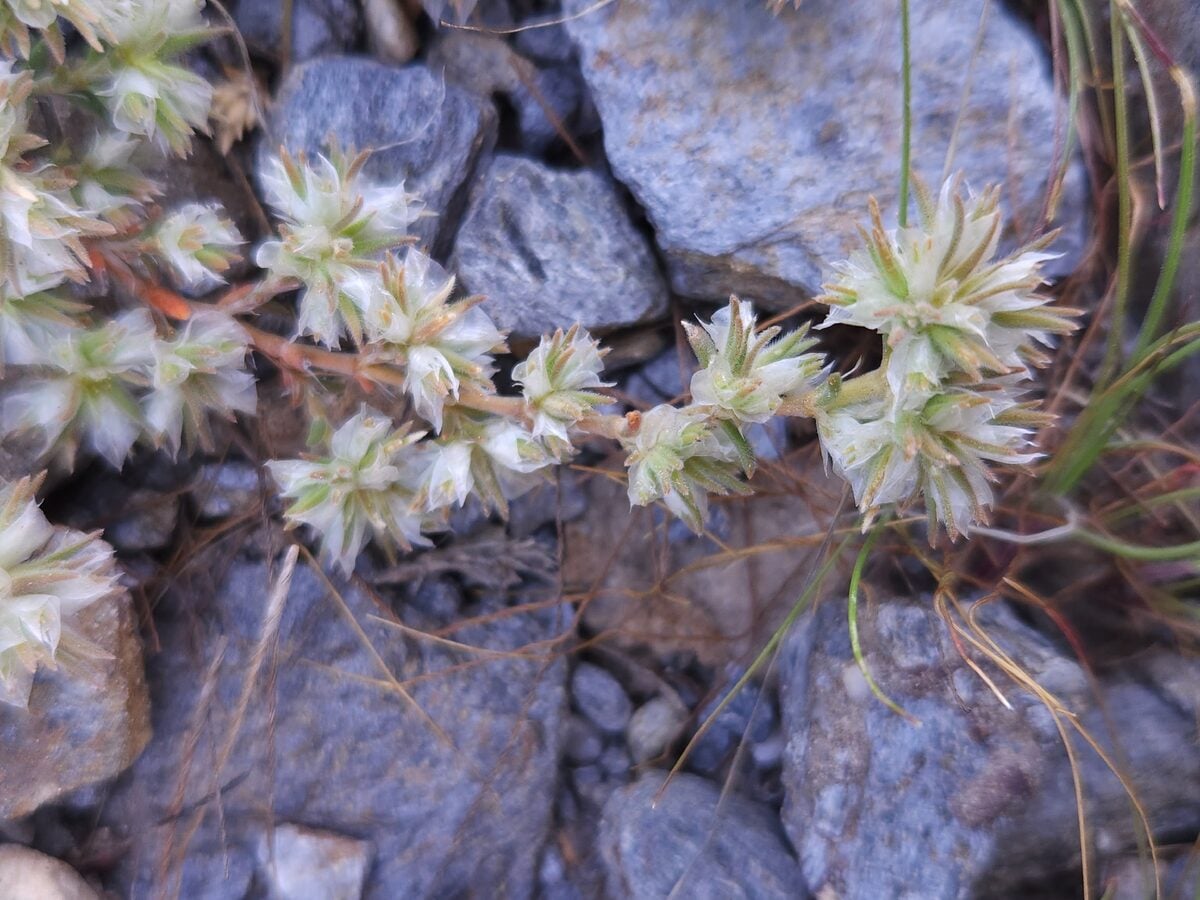
Cerastium holosteoides
Fries.
Big Chickweed, Mouse-ear chickweed
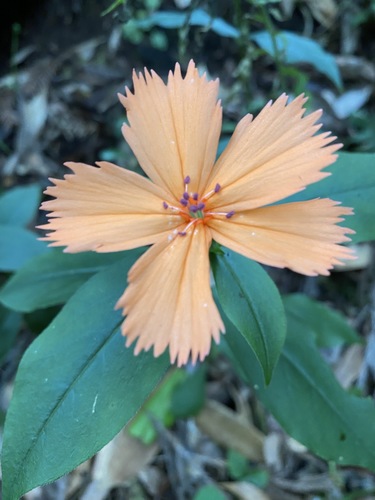
iNaturalist· cc-by-nc
(c) Игорь Щербаков, some rights reserved (CC BY-NC), uploaded by Игорь Щербаков
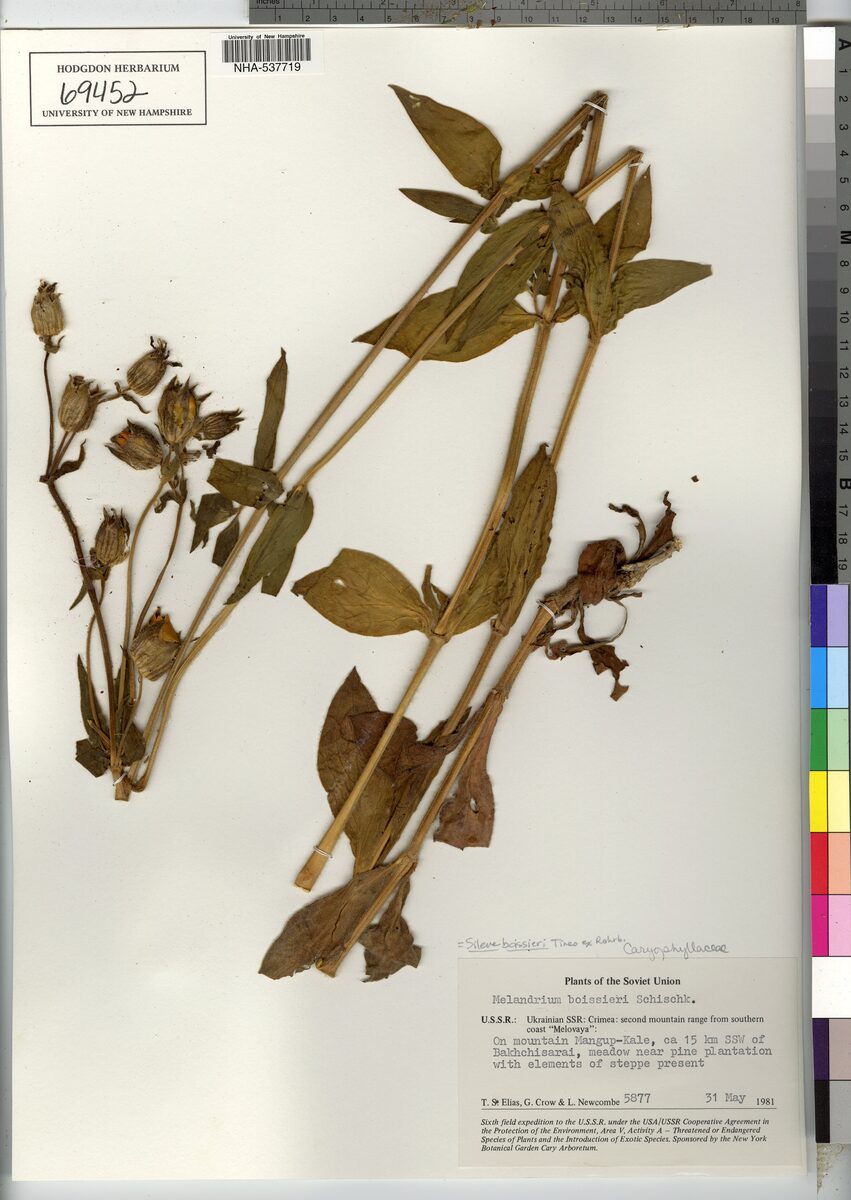
iNaturalist· cc-by-nc
(c) Ivlev-Konstantin-Sergeevith, some rights reserved (CC BY-NC)
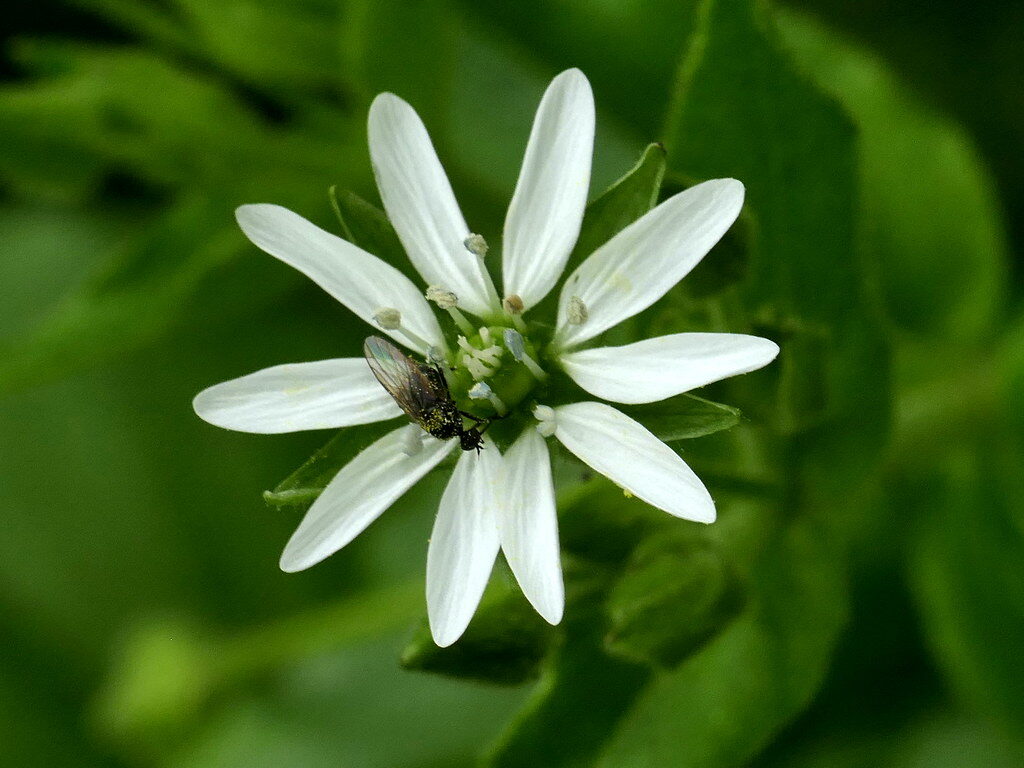
iNaturalist· cc-by-nc
(c) Ivlev-Konstantin-Sergeevith, some rights reserved (CC BY-NC)
Summary
Source: WikipediaCerastium holosteoides, the common mouse-ear chickweed, is a species of flowering plant belonging to the family Caryophyllaceae. Its native range is temperate and subarctic areas of the Old World; scattered countries in Africa, nearly all of Eurasia to New Guinea. One of the world's most widespread weeds, it has been introduced to most of North America, the western countries of South America, New Zealand, South Africa, and many islands around the world.
Description
An annual herb. The leaves are hairy and sword shaped. The flowers are white but are not in clusters.
This description is brief — help expand it
Edible Uses
If purposefully added to a wild garden or food-forest understory, it can serve as a low, living-mulch species. It prefers cool seasons, so irrigation during dry summers helps maintain green growth. It does not require fertilization and can be controlled easily by hand-pulling if it spreads beyond intended boundaries. Leaves and young shoots. This report refers to the subspecies C. holosteoides glandulosum. Koch.. Edible Uses & Rating: Only the leaves (and tender upper stems) are generally eaten. Mouse-ear chickweed is edible raw or cooked and provides a mild, slightly kale-like flavor without bitterness, making it acceptable in salads or as a cooked green. However, its small size, hairy texture, and the limited bulk of each plant mean it is rarely a significant food source. As a wild edible, it ranks as a mild but minor green—useful when present but not worth targeted collection in most circumstances. Taste, Processing & Kitchen Notes: Fresh leaves are mild and pleasant, reminiscent of young kale or mild brassicas. The fine hairs on leaves can feel slightly rough or ticklish in the mouth, but they do not irritate or sting. Upper stems—including the flowering portions—are tender enough to eat raw, while lower stems tend to be fibrous, and removing them improves texture. When cooked, mouse-ear chickweed becomes milder still, losing any sharpness and developing a neutral, slightly vegetal flavor. Boiling softens the leaves but rarely softens the coarse lower stems. It does not become mucilaginous or bitter with cooking, and it works well when mixed with other spring greens for soups or potherbs. Seasonality (Phenology): Mouse-ear chickweed grows whenever temperatures are cool and moisture is available. In Southwest mountain meadows, it can appear from spring through early autumn, often blooming from April to September. Because the plant readily roots at nodes and continually produces new leaves, foragers may harvest small amounts throughout the season. Flowering is continuous in favorable conditions, and the white star-like blossoms are often present for several months. Safety & Cautions (Food Use): The plant is generally safe to eat in moderation. Its hairy texture can be mildly irritating to sensitive individuals. Because it grows low to the ground, it tends to collect soil, insects, and debris; thorough washing is recommended. Avoid harvesting in high-traffic lawns, chemically treated areas, or places where pets congregate. Harvest & Processing Workflow: For best results, harvest only the youngest, uppermost leaves and tender flowering tips. These parts have the mildest flavor and softest texture. Strip leaves and soft stems from older, tougher lower portions. Wash thoroughly to remove soil particles trapped in hairs. For cooked dishes, briefly boil or steam to soften. For salads, finely chop to reduce the sensation of leaf hairs. Cultivar/Selection Notes: Mouse-ear chickweed has no known cultivars. Its widespread distribution reflects naturalized, mixed genetic populations. Look-Alikes & Confusion Risks: Chickweeds (Stellaria spp.) resemble mouse-ear chickweed, but Stellaria species typically have smoother, nearly hairless leaves and somewhat different petal shapes (deeply divided petals resembling 10 petals). Other small white-flowered Caryophyllaceae may also cause confusion. The key identification characters are the hairy leaves and stems, paired opposite leaves, five notched petals about equal to the sepals, and cylindrical capsules with ten teeth. Traditional / Indigenous Use Summary: There is little ethnobotanical documentation of Indigenous use of mouse-ear chickweed in North America, likely due to its small size and low caloric yield. It may have been eaten occasionally when encountered, but it did not play a significant role in traditional diets. Its uses today are primarily among modern foragers and herbalists.
Medicinal Uses
None known.
Known Hazards
The plant is generally safe to eat in moderation. Its hairy texture can be mildly irritating to sensitive individuals. Because it grows low to the ground, it tends to collect soil, insects, and debris; thorough washing is recommended. Avoid harvesting in high-traffic lawns, chemically treated areas, or places where pets congregate.
Distribution
It is a temperate plant. It grows in poor open pastures.
Where It Grows
Asia, Australia, Britain, Europe, Indochina, SE Asia, Vietnam,
Cultivation
See the plant's native habitat for ideas on its cultivation needs. This species is closely related to C. fontanum, the common mouse-ear, and is seen as no more than a sub-species of that species by many botanists. Mouse-ear chickweed is a mild, edible, widespread herb offering a dependable—if modest—source of greens throughout the season. While too small to be a significant wild food, it provides readily accessible salad or potherb material in mountain meadows and cool, moist habitats. Its low growth, hairy texture, and minimal caloric value prevent it from achieving staple status, but it remains a pleasant and safe addition to a forager’s toolkit.Growing Conditions: This species thrives in cool, moist, moderately fertile soils with good drainage. It prefers partial sunlight but tolerates full sun in cooler climates and shade in warmer locations. In the Southwest, it is most abundant in high mountain meadows, woodland openings, and irrigated areas where soil moisture persists. Soil texture can range from loam to disturbed compacted ground, including lawns. The plant tolerates trampling better than many forbs and will persist in places with periodic landscape disturbance. Habitat & Range: Mouse-ear chickweed is native to Europe but naturalized across North America. It occurs in nearly all U.S. states except parts of the Great Plains. In the Southwest, it is mainly confined to higher elevations where moisture and cooler temperatures are available—mountain meadows, riparian edges, lawns, campsites, and moist woodland clearings. It prefers nutrient-rich soils and is especially common in human-altered habitats. Size & Landscape Performance: Typical growth ranges from 7 to 35 cm in height, though most plants remain closer to 10–20 cm. It forms spreading, low mats rather than erect clumps. In landscapes, mouse-ear chickweed behaves more as a groundcover weed than an ornamental, filling in gaps in moist lawns and garden beds. It is not invasive in a harmful sense, but it can become persistent where soil moisture and disturbance favor its growth. Cultivation (Horticulture): Mouse-ear chickweed is seldom cultivated intentionally, but it readily naturalizes in suitable soils. If purposefully added to a wild garden or food-forest understory, it can serve as a low, living-mulch species. It prefers cool seasons, so irrigation during dry summers helps maintain green growth. It does not require fertilization and can be controlled easily by hand-pulling if it spreads beyond intended boundaries. Identification & Habit: Mouse-ear chickweed forms loose to dense mats of low stems that root wherever nodes touch the soil, allowing it to creep horizontally over short distances. The stems and leaves are noticeably hairy—covered with short, rough, sometimes sticky hairs that give the plant a felted or “mouse-ear” texture. Leaves are opposite, sessile, and lance-oval with smooth margins. Plants are short-lived but perennial, and flower and fruit prolifically throughout the growing season. The delicate white flowers—each with five deeply notched petals approximately the same length as the sepals—are borne singly or in small clusters at the ends of soft, ascending stems. Over time, the species can form small patches, especially in moist meadows or lawns. Pests & Problems: Mouse-ear chickweed rarely suffers from significant pests or diseases. Excessive heat or drought will cause dieback, though plants may regrow from basal nodes when moisture returns. In high-humidity environments, it may develop mild fungal spotting, but this seldom affects growth. Cultivar/Selection Notes: Mouse-ear chickweed has no known cultivars. Its widespread distribution reflects naturalized, mixed genetic populations. Pollination: Mouse-ear chickweed is pollinated mainly by small insects—minute flies, tiny solitary bees, and small generalist pollinators attracted to its small white flowers. In cool, moist environments, self-pollination may also occur, helping ensure seed set even when insect activity is low.
Propagation
Propagation occurs by seed and by vegetative rooting at nodes. Seeds germinate readily in cool, moist conditions without special treatment. Plants often root wherever stems contact soil, allowing easy division and replanting. Pressing stems against moist soil produces new rooted patches.
Other Uses
Mouse-ear chickweed supports small pollinators, particularly tiny flies and bees that visit the small white flowers. Its low, mat-forming growth provides microhabitats for ground-dwelling insects and small arthropods. It can serve as a low living-mulch species in a wild garden or food-forest understory. It prefers cool seasons and does not require fertilization; it can be controlled easily by hand-pulling if it spreads beyond intended boundaries.
Notes
There are about 100 Cerastium species.
Synonyms
Also Known As
Giacqua
References (2)
- Lamp, C & Collet F., 1989, Field Guide to Weeds in Australia. Inkata Press. p 65
- Plants for a Future database, The Field, Penpol, Lostwithiel, Cornwall, PL22 0NG, UK. http://www.scs.leeds.ac.uk/pfaf/