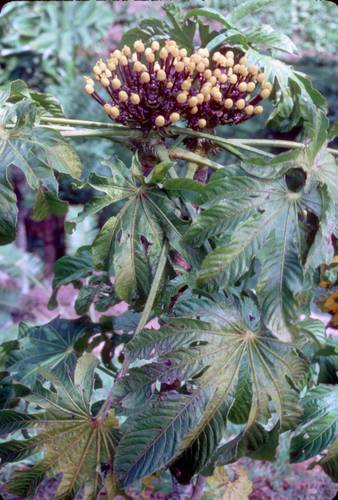
Chengiopanax sciadophylloides
(Franch. & Sav.) C. B. Shang & J. Y. Huang
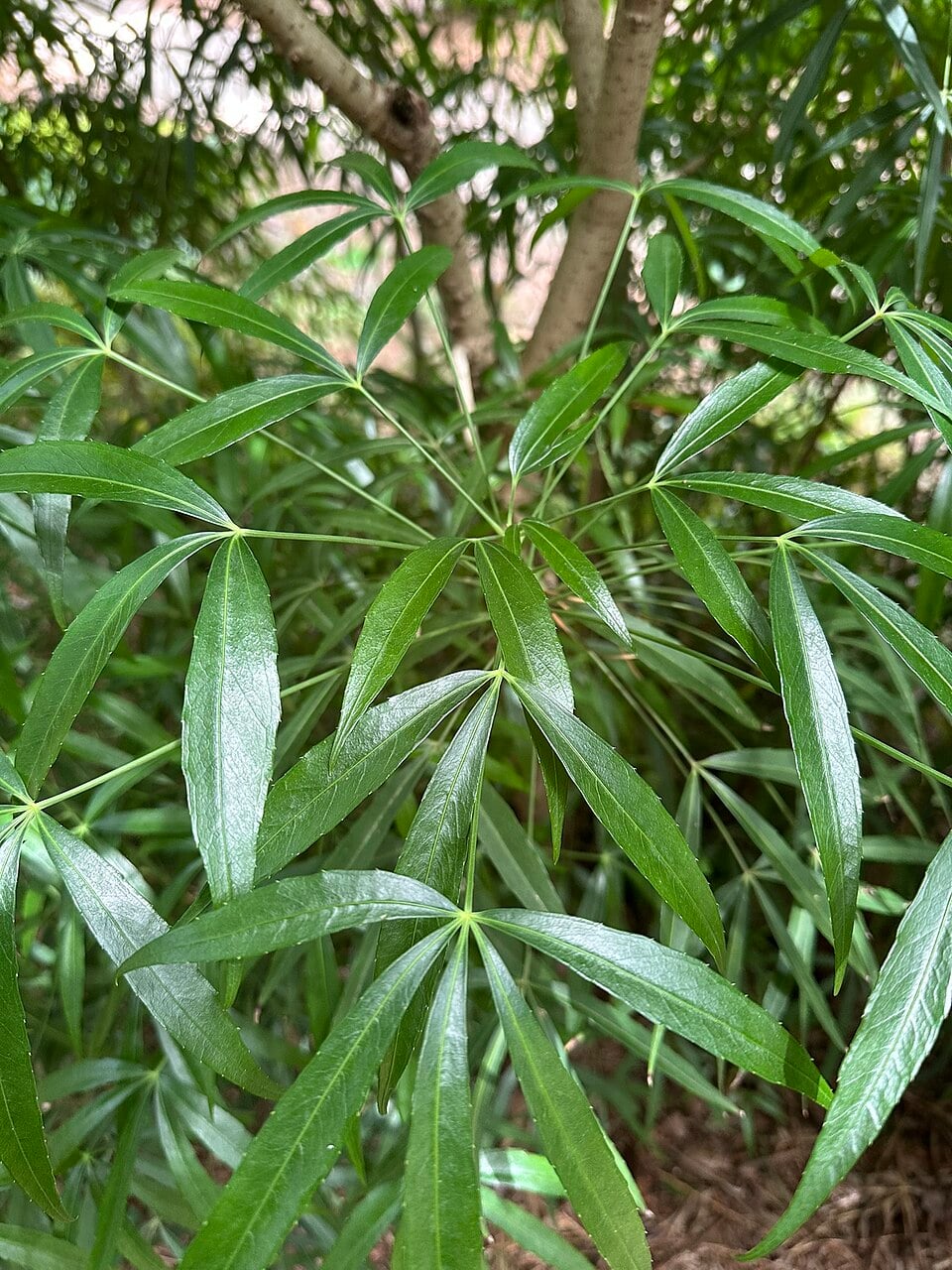
iNaturalist· cc-by-nc
(c) Juha Kinnunen, some rights reserved (CC BY-NC)
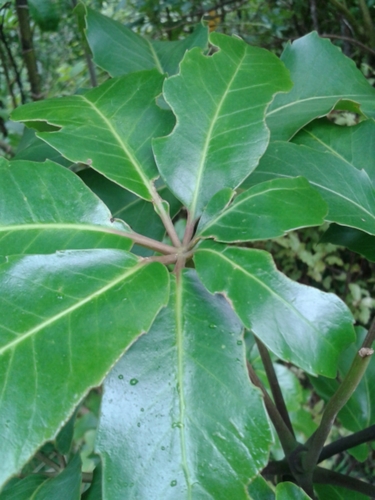
iNaturalist· cc-by-nc
(c) Juha Kinnunen, some rights reserved (CC BY-NC)
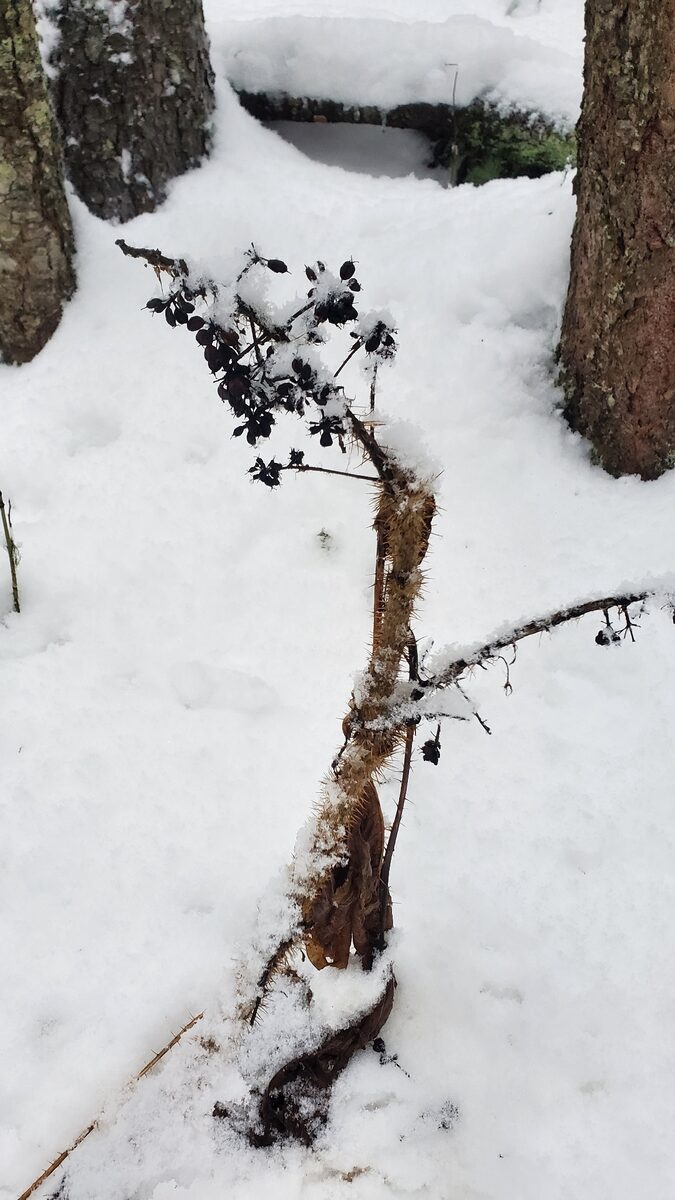
iNaturalist· cc-by-nc
(c) Kouhei Yoshida, some rights reserved (CC BY-NC)
Summary
Source: WikipediaChengiopanax sciadophylloides is a flowering tree in the family Araliaceae native to Japan. Previously included in the genus Eleutherococcus, it is distinguished from other members of that genus by not having spines or prickles and ITS sequence data confirmed the separation.
Description
A temperate tree in the Araliaceae family with edible shoots.
This description is brief — help expand it
Medicinal Uses
Known as koshiabura (コシアブラ), gonzetsu and gonzetsunoki in Japanese cuisine, it is foraged in the wild in spring for the young leaves as sansai ("mountain vegetables"). It is called the "queen of sansai" and often used in tempura, but also popular in a range of dishes. The highest grade of buds is as small as a calligraphy brush, and thus called fude ha ("leaf of brush"). A decoction of the roots, tea of the root bark, and tea of the leaf were used in Niigata Prefecture as a folk remedy. A lacquer-like coating material called kinshitsu (金漆) used to be made from the sap. The polyacetylenes in the plant sap were polymerised by sunlight to produce the hard resin varnish. Two other members of the Araliaceae, Dendropanax trifidus and Gamblea innovans, may also have been sources for this lacquer in Japan. The lacquer was used to prevent corrosion of suits of armour and helmets, with related species providing a similar lacquer used in China during the Tang dynasty and in Korea. The wood is used for general construction and for chopsticks. The wood is regarded as auspicious and is valued in the Sasano-Bori doll carving tradition in Yonezawa (along with the wood of the Pagoda Tree) for its strength and flexibility.
Distribution
It is a temperate plant.
Where It Grows
Asia, Japan,
Synonyms
Also Known As
Koshiabura
References (4)
- Bull. Bot. Res., Harbin 13(1): 48 1993.
- Chen, B. & Qiu, Z., Consumer's Attitudes towards Edible Wild Plants, Ishikawa Prefecture, Japan. p 22 www.hindawi.com/journals/ijfr/aip/872413.pdf (As Acanthopanax sciadophylloides)
- H. G. A. Engler & K. A. E. Prantl, Nat. Pflanzenfam. 3(8):51. 1897
- Plants for a Future database, The Field, Penpol, Lostwithiel, Cornwall, PL22 0NG, UK. http://www.scs.leeds.ac.uk/pfaf/ (As Kalopanax sciadophylloides)