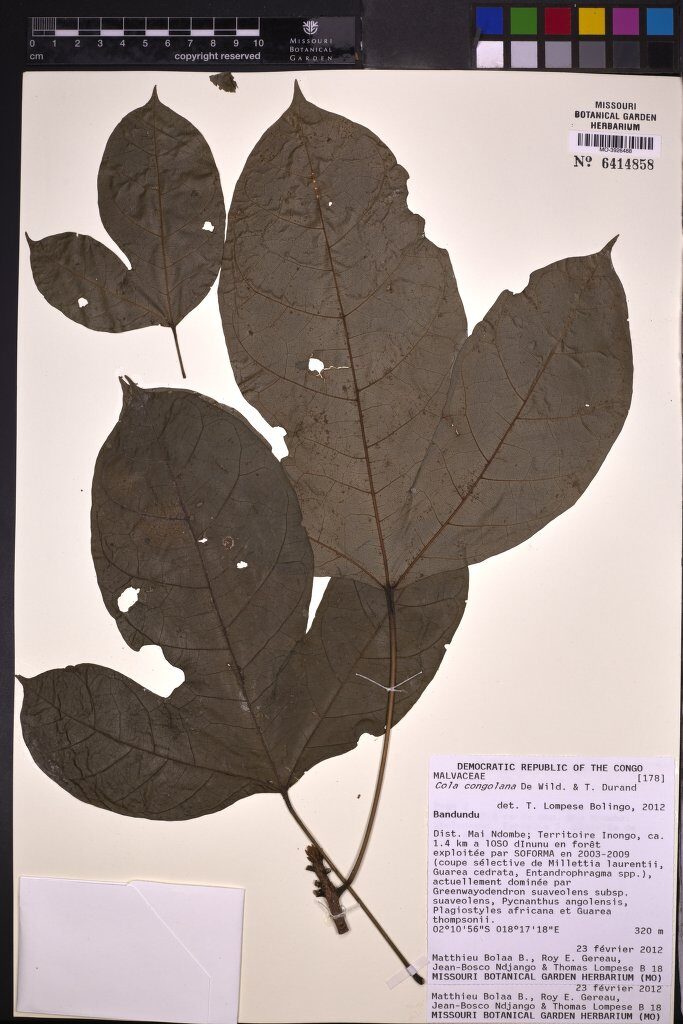
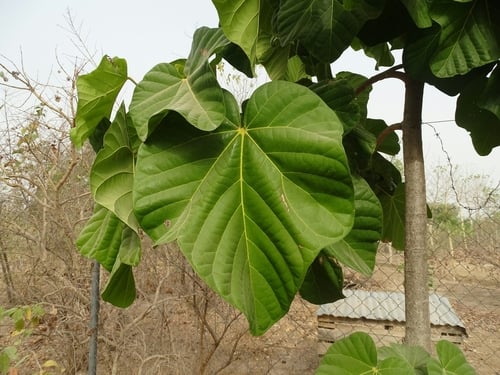
Grewia rothii
DC.
iNaturalist· cc-by
(c) Aravinth, some rights reserved (CC BY), uploaded by Aravinth
iNaturalist· cc-by
(c) Aravinth, some rights reserved (CC BY)
Summary
Source: WikipediaGrewia rothii is a species of flowering plant in India and Sri Lanka.
Description
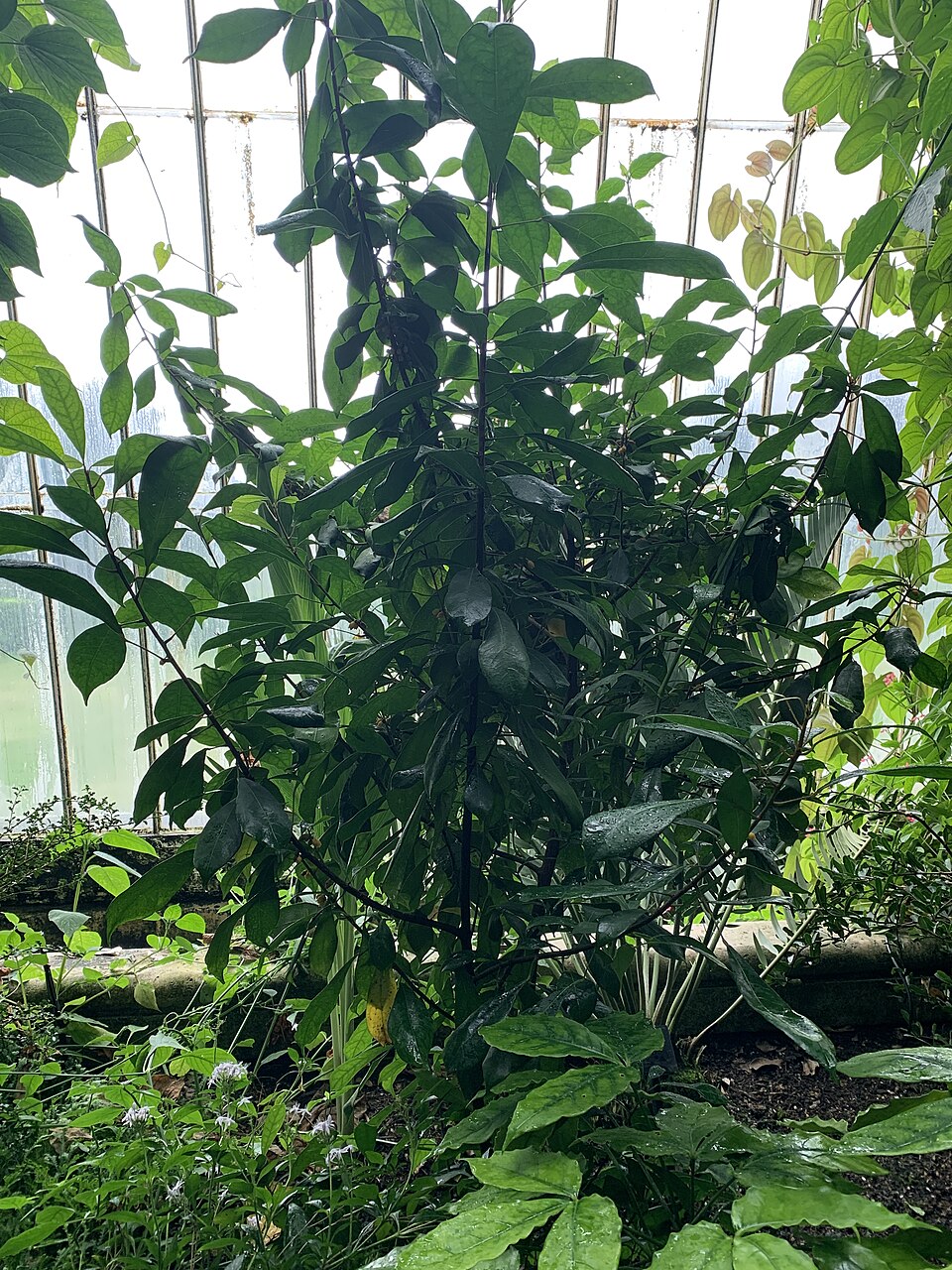
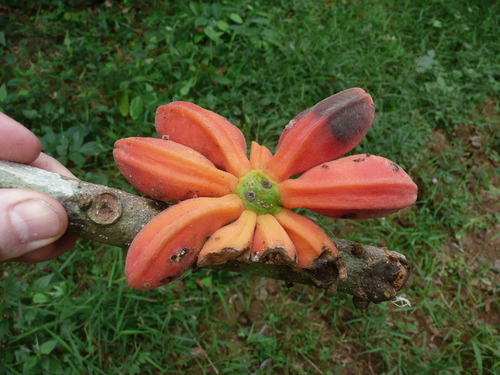
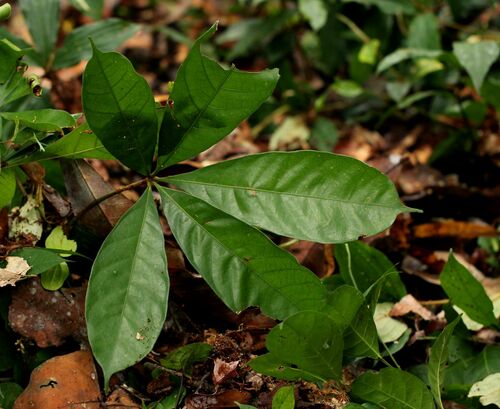
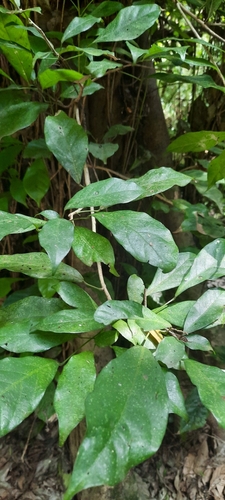
A shrub or small tree. It has many branches. The leaves are in 2 ranks. They are sword shaped or oblong and unequal at the base. They have a long pointed tip. There are fine teeth towards the tip. There are white hairs underneath. The flowers are in flat topped groups of 1-4 in the axils of leaves. They are small. The fruit is round and hairy.
Edible Uses
The ripe fruit are eaten raw.
Traditional Uses
The ripe fruit are eaten raw.
This uses section is brief — help expand it
Distribution
It is a tropical plant. It grows in the understorey in forests.
Where It Grows
Asia, India, Myanmar, SE Asia, Sri Lanka,
Production
In India fruit are available July to December.
Notes
There are about 200 Grewia species. They are mostly tropical. The fruit of most may be edible. These were in the Sparrmanniaceae and the Tiliaceae.
Synonyms
Also Known As
Angolam, Bora daminiya, Homola-poto, Kolhache Andee, Kolupu, Mirichari, Phulari, Putiki, Siriana, Taviddai, Tayaw
References (6)
- Ambasta, S.P. (Ed.), 2000, The Useful Plants of India. CSIR India. p 249
- India Bioversity.org
- Misra S. & Misra M., 2016, Ethnobotanical and Nutritional Evaluation of Some Edible Fruit Plants of Southern Odisha, India. International Journal of Advances in Agricultural Science and Technology, Vol.3 Issue.1, March- 2016, pg. 1-30
- Misra, S., 2020, Survey of edible plants for human consumption in south Odisha, India. Journal of Emerging Technologies and Innovative Research (JETIR) Vol. 7, Issue 12 p 278
- Prafulla, S., 2017, Wild Food Diversity of Nawegaon-Nagzira Tiger Reserve in Gondia-Bhandara district of Maharashtra, India. Int. J. of Life Sciences, 2017, Vol. 5 (4): 620-626
Show all 6 references Hide references
- Singh, H.B., Arora R.K.,1978, Wild edible Plants of India. Indian Council of Agricultural Research, New Delhi. p 62