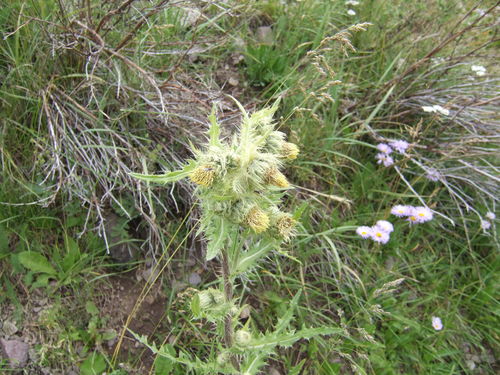
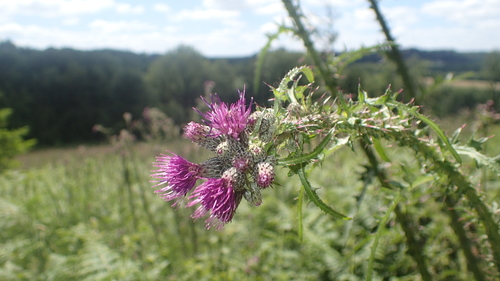
Acmella uliginosa
(Swartz) Cassini
Marsh para cress
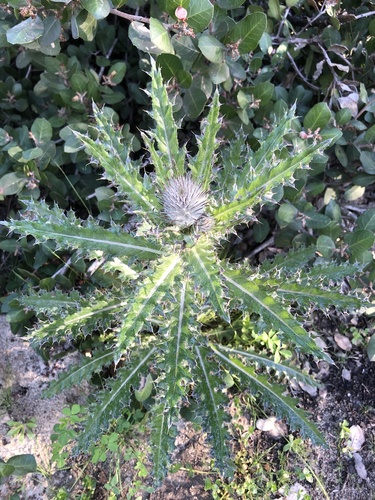
iNaturalist· cc0
no rights reserved, uploaded by 葉子
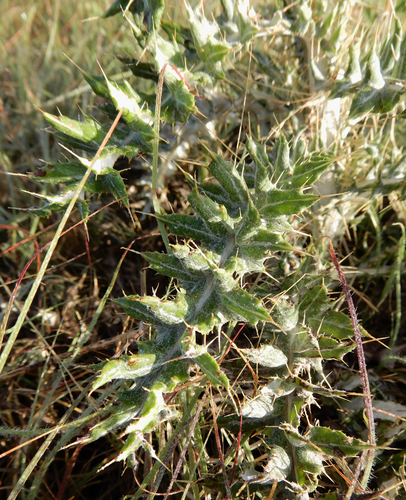
iNaturalist· cc-by-nc
(c) Shiwalee Samant, some rights reserved (CC BY-NC), uploaded by Shiwalee Samant
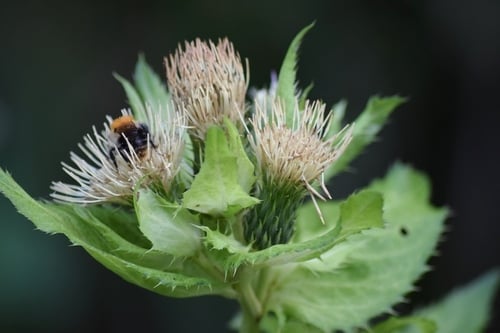
iNaturalist· cc0
no rights reserved, uploaded by 葉子
Summary
Source: WikipediaAcmella uliginosa, the marsh para cress, is a species of flowering herb in the family Asteraceae. The plant is native to South America (Brazil, Bolivia, Venezuela, etc.) and is naturalized in parts of Asia (China, Philippines, India, etc.) and Africa.
Description
A shrub or small tree. It grows 5 m tall. There are prickles along the stem. The leaves are twice divided and there are 8-18 pairs of pinnae. There are up to 50 pairs of pinnules on each pinnae. The flowers are yellow. They are in large clusters at the ends of branches. The pods are flattened.
Edible Uses
The shoots are steamed or cooked, and the flowers and fruit are used as a spice.
Traditional Uses
The shoots are steamed or cooked. The flowers and fruit are used as a spice.
This uses section is brief — help expand it
Medicinal Uses
It is used in medicine.
Distribution
It is a tropical plant. It grows in wet grassland savannah. It can grow in flooded rice fields. It grows from sea level to 100 m above sea level.
Where It Grows
Africa, American Samoa, Asia, Benin, Burkina Faso, Cameroon, Caribbean, Central Africa, Central African Republic, CAR, Chad, China, Congo, Côte d'Ivoire, Dominica, Dominican Republic, East Africa, Fiji, Gambia, Ghana, Guiana, Guinea, Guinée, Guinea-Bissau, India, Ivory Coast, Kenya, Liberia, Mali, Nepal, New Caledonia, Pacific, Senegal, Sierra Leone, Solomon Islands, South America, Taiwan, Tanzania, Venezuela, West Africa, West Indies,
Cultivation
Acmella uliginosa is not very frost tolerant, growing best when the temperature does not fall below 12°c nor rise above 28°c. It can tolerate a mean annual rainfall ranging from 350 - 2,500mm. Grows best in a sunny position, succeeding in most soils and tolerant of seasonal inundation. The natural range of this species is uncertain, it probably arose in Tropical America but has long since spread from there to Africa, tropical Asia and the Pacific. It does have the potential to spread further and is classified as 'Invasive' in New Caledonia and Fiji.
Notes
It is used in medicine.
Synonyms
Also Known As
Ansateh, Marehathi
References (11)
- Achigan-Dako, E, et al (Eds), 2009, Catalogue of Traditional Vegetables in Benin. International Foundation for Science.
- Adeoti, K. et al, 2011, Assessment of genetic diversity among accessions of two traditional leafy vegetables (Acmella uliginosa L.) and Justicia tenella (Nees)consumed in Benin. African Journal of Biotechnology Vo. 10(15): pp 2811-2819
- Dangol, D. R. et al, 2017, Wild Edible Plants in Nepal. Proceedings of 2nd National Workshop on CUAOGR, 2017.
- Flora of Solomon Islands
- Franklin, J., Keppel, G., & Whistler, W., 2008, The vegetation and flora of Lakeba, Nayau and Aiwa Islands, Central Lau Group, Fiji. Micronesica 40(1/2): 169–225, 2008
Show all 11 references Hide references
- Gautam, R. S., et al, 2020, Wild Edible Fruits of Nepal. Int. J. Appl. Sci. Biotechnol. Vol 8(3): 289-304
- Gautam, R. S., et al, 2022, Ethnobotanical Review of Wild Edible Plants of Nepal. Journal of Natural History Museum Volume 32, 2021-22 p 105
- Grubben, G. J. H. and Denton, O. A. (eds), 2004, Plant Resources of Tropical Africa 2. Vegetables. PROTA, Wageningen, Netherlands. p 35, 559
- Guite, C., 2016, Study of wild edible plants associated with the Paite Tribe of Manipur, India. International Journal of Current Research. Vol. 8, Issue 11, pp. 40927-40932
- World Checklist of Useful Plant Species 2020. Royal Botanic Gardens, Kew
- www.theplantlist.org