Ageratina adenophora
(Spreng.) R. M. king & H. Rob.
Eupatory, Sticky snakeroot, Crofton weed
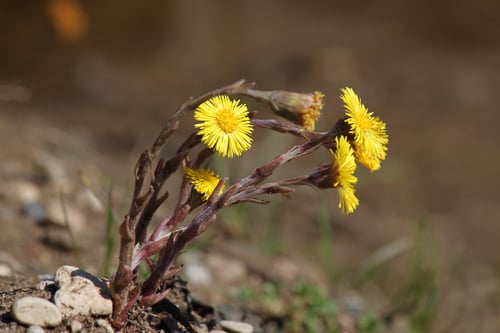
iNaturalist· cc-by-sa
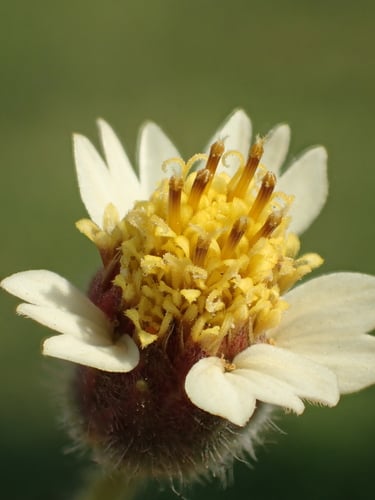
(c) Ixitixel, some rights reserved (CC BY-SA)
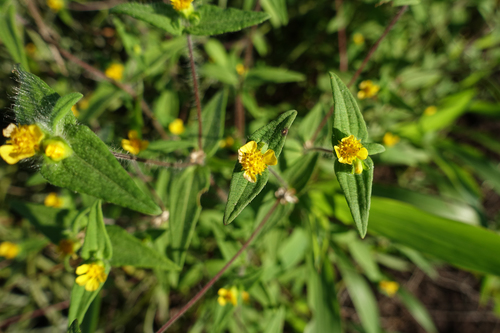
iNaturalist· cc-by-sa
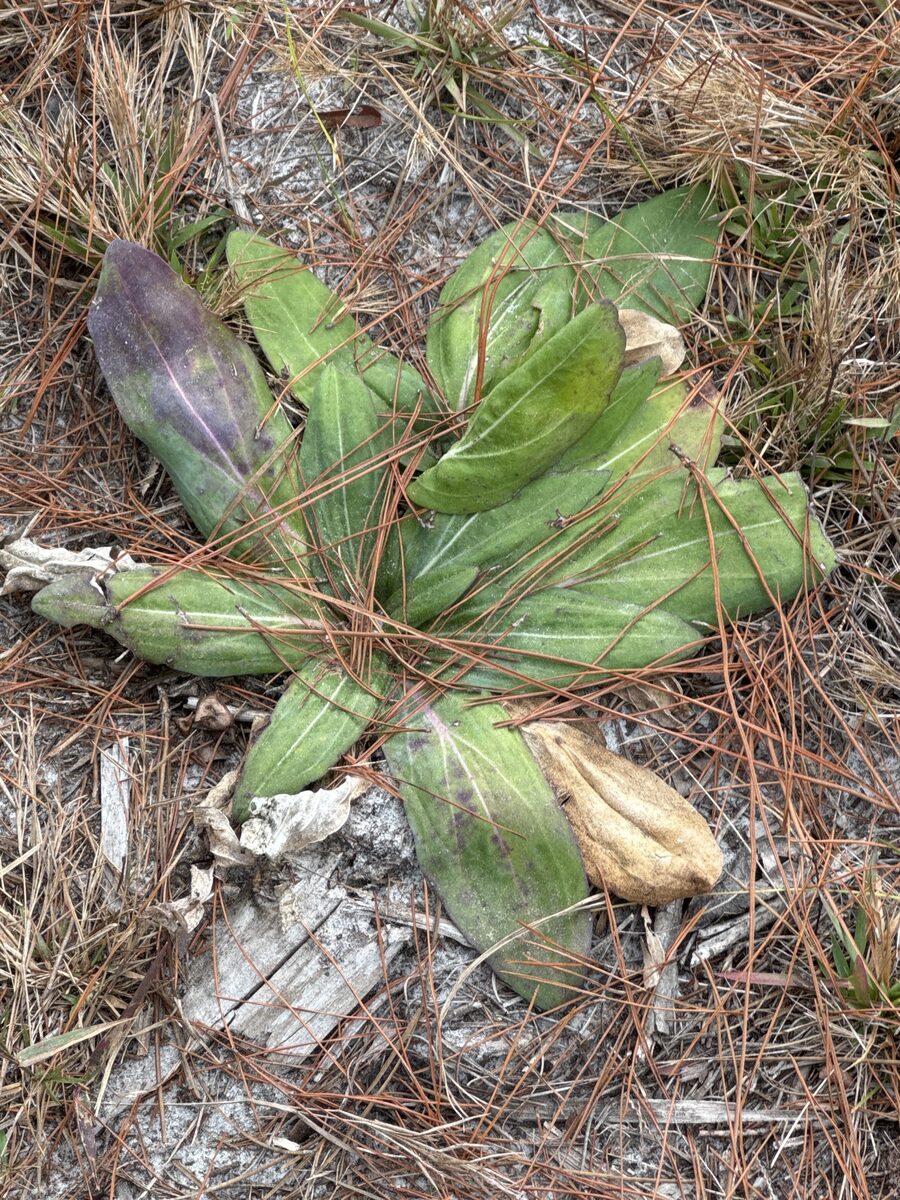
(c) Vengolis, some rights reserved (CC BY-SA)
iNaturalist· cc-by-nc
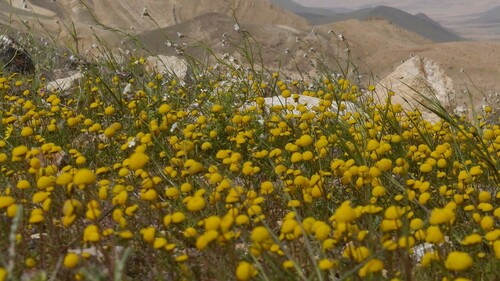
(c) Chuangzao, some rights reserved (CC BY-NC), uploaded by Chuangzao
Summary
Source: WikipediaAgeratina adenophora (synonym Eupatorium adenophorum), commonly known as Crofton weed, is a species of flowering plant in the family Asteraceae native to Mexico. Originally grown as an ornamental plant, it has become invasive into farmland and bushland worldwide. It is toxic to horses, which develop a respiratory disease known as Numinbah horse sickness after eating it.
Description
A herb or shrub. It grows 1-2 m tall. The leaves are opposite and trowel shaped. They have teeth along the edge. The leaves are 6-10 cm long by 3-6 cm wide. The flower is compound and occurs in clusters at the ends of the branches. The seed is small and brown and feathery.
Known Hazards
Crofton weed is toxic to livestock. Ongoing consumption of crofton weed by horses leads to chronic lung disease, known as Numinbah Horse Sickness or Tallebudgera Horse Disease in northern New South Wales and Queensland. Outbreaks occurred in Hawaii in the 1920s, and subsequently in eastern Australia and Northland in New Zealand. There are reports of farms losing all their horses to the condition. It is typified by impaired ability to work or exercise and emphysema. Pathological findings include pulmonary interstitial fibrosis and alveolar epithelisation.
Distribution
It is a tropical and subtropical plant. In Sikkim it grows between 300-2,000 m above sea level.
Where It Grows
Africa Asia, Australia, China, Hawaii, Himalayas, India, Indochina, Laos, Mexico*, Nepal, New Zealand, Nigeria, North America, Pacific, SE Asia, Sikkim, South Africa, Sri Lanka, Thailand, USA,
Cultivation
It can grow from seeds and also from stems near the ground that form roots.
Notes
It can be a weed problem when introduced to new areas. It is used as medicine.
Synonyms
Also Known As
Banmara, Crofton weed, Kali jhar, Mexican devil
References (2)
- Anderson, E. F., 1993, Plants and people of the Golden Triangle. Dioscorides Press. p 211 (As Eupatorium adenophorum)
- Aryal, K. P., et al, 2018, Diversity and use of wild and non-cultivated edible plants in the Western Himalaya. Journal of Ethnobiology and Ethnomedicine (2018) 14:10