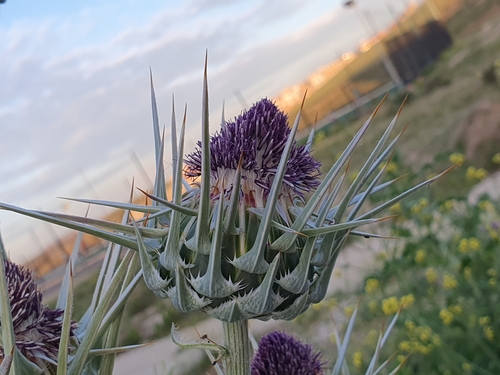
Cirsium foliosum
(Hook.) DC.
Dwarf thistle, Leafy thistle, Elk thistle
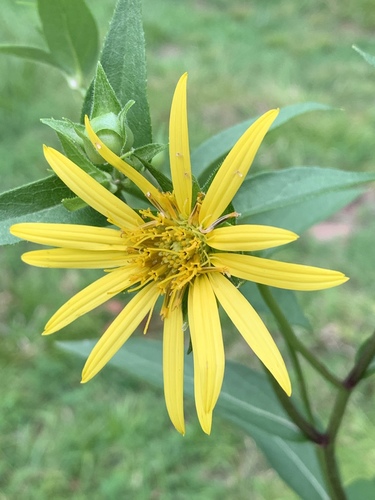
iNaturalist· cc-by-nc
(c) Jennifer Ackerfield, some rights reserved (CC BY-NC), uploaded by Jennifer Ackerfield
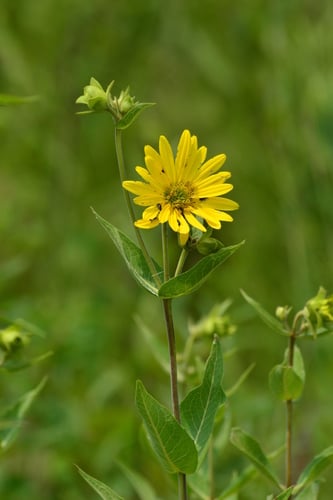
iNaturalist· cc-by-nc
(c) Jason Tillapaugh, some rights reserved (CC BY-NC)
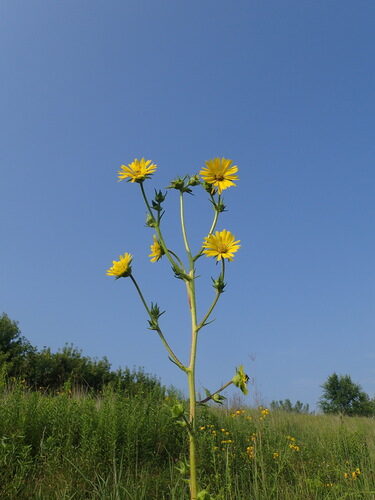
iNaturalist· cc-by-sa
(c) Matt Lavin, some rights reserved (CC BY-SA)
Summary
Source: WikipediaCirsium foliosum , also called leafy thistle, foliose thistle, elk thistle, or Evert's thistle, is a North American plant species in the tribe Cardueae within the family Asteraceae. The species is native to Alaska, Yukon, Northwest Territories, Alberta, British Columbia, and Wyoming. Cirsium foliosum is a biennial or perennial herb up to 70 cm (28 inches) tall, blooming only once before dying. Leaves have thin spines along the edges. There are several flowering heads per plant, with white or pale pink disc florets but no ray florets. The roots and stems are edible raw or cooked. The stem, when split open and peeled, can be eaten like celery. Bears, deer and elk also eat the plant.
Description
A perennial thistle reaching 0.6 m in height, hardy to UK zone 6. Flowers from July to August with seeds ripening August to September. Hermaphroditic and self-fertile, pollinated by bees, flies, moths, butterflies, and beetles. Grows in light sandy, medium loamy, and heavy clay soils across mildly acidic, neutral, and basic pH ranges. Requires full sun and prefers moist or wet soil conditions.
Edible Uses
The root is edible cooked. About the size of a carrot, it is sweet and well-flavoured but requires long preparation. It is likely rich in inulin, a starch indigestible to humans that passes straight through the digestive system and may ferment in some people, producing flatulence. The plant crown is also edible, though no further details are given. Peeled stems make a sweet potherb and are tender with a sweet, delicate taste. Seed oil can be extracted by expression.
Medicinal Uses
None known.
Distribution
It is a temperate plant. It grows in moist meadows.
Where It Grows
Canada, North America, USA,
Propagation
Sow seed in early spring or autumn in situ. Germination usually occurs within 2–8 weeks at 20°C. Can also be propagated by division in spring or autumn.
Other Uses
The seeds of all thistle species yield a useful oil by expression, though no details on potential yields are given.
Notes
There are about 150-250 Cirsium species. They grow in temperate regions.
Synonyms
References (3)
- MacKinnon, A., et al, 2009, Edible & Medicinal Plants of Canada. Lone Pine. p 368
- Plants for a Future database, The Field, Penpol, Lostwithiel, Cornwall, PL22 0NG, UK. http://www.scs.leeds.ac.uk/pfaf/
- Tozer, F., 2007, The Uses of Wild Plants. Green Man Publishing. p 69