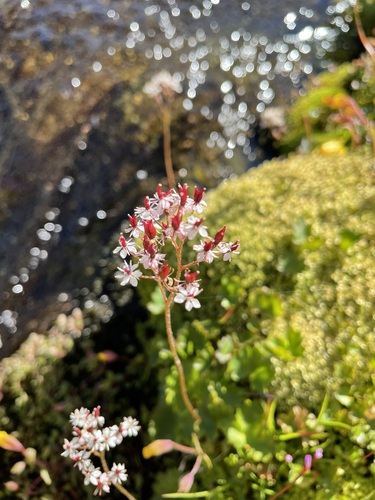
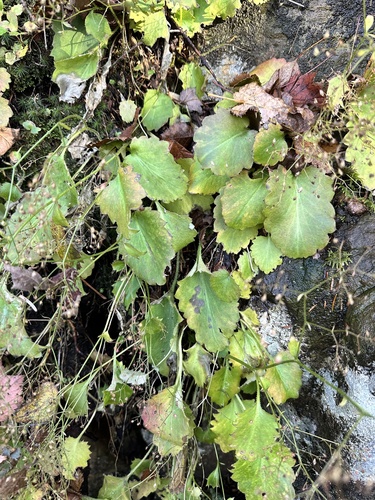
Saxifraga virginiensis
Michx.
Early saxifraga
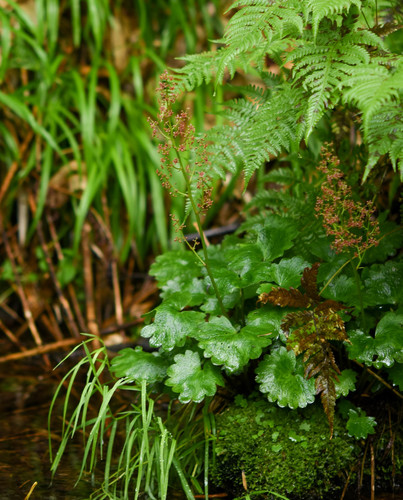
iNaturalist· cc-by-nc
(c) Meg Madden, some rights reserved (CC BY-NC)
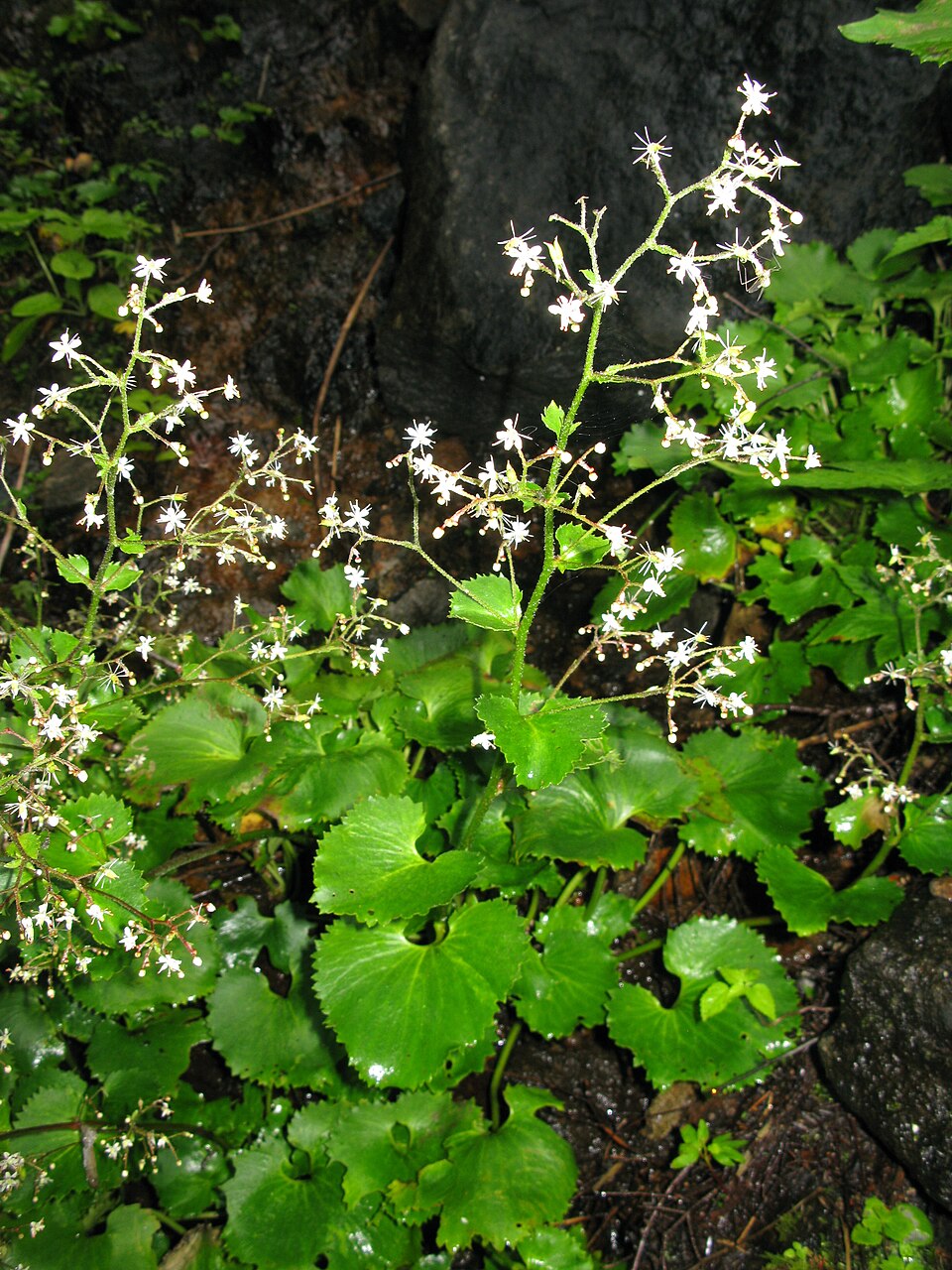
iNaturalist· cc-by-nc
(c) Meg Madden, some rights reserved (CC BY-NC)
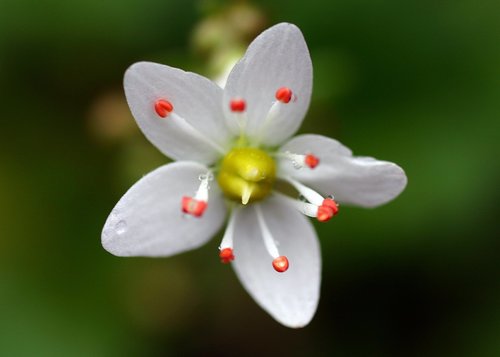
iNaturalist· cc-by-nc
(c) Meg Madden, some rights reserved (CC BY-NC)
Description
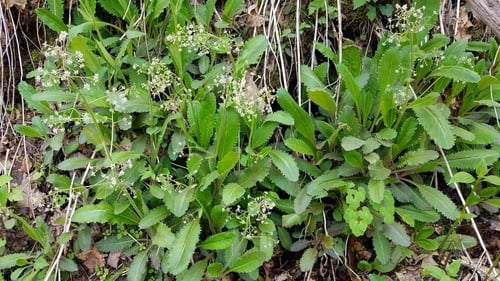
An annual herb. It grows 10-30 cm high. The leaves are 3-8 cm long. The leaves are fleshy and egg shaped. They have a few teeth. The leaves form a ring at the base of the plant. The flowers are small and white. They are 6 mm across. The fruit is small and pod like. The seeds are small.
Edible Uses
The young leaves are eaten raw in salads or cooked as a vegetable.
Traditional Uses
The young leaves are used in salads, and also cooked.
This uses section is brief — help expand it
Known Hazards
The leaves are noted as being rich in Vitamin C and other nutrients.
Distribution
It is a temperate plant.
Where It Grows
Africa, Asia, Europe, North America,
Notes
The leaves are rich in Vitamin C and other nutrients.
Also Known As
Brook saxifraga, Lettuce saxifraga, Mountain lettuce, Purple saxifraga, Red-stemmed saxifraga, Spotted saxifraga, Trifted saxifraga
References (1)
- Esperanca, M. J., 1988. Surviving in the wild. A glance at the wild plants and their uses. Vol. 1. p 320