Lycium cinereum
Thunb.
iNaturalist· cc-by-nc
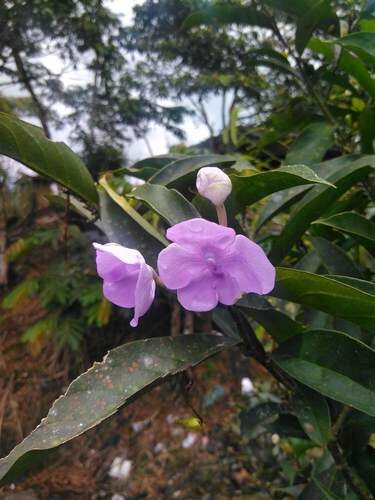
(c) Gigi Laidler, some rights reserved (CC BY-NC), uploaded by Gigi Laidler
iNaturalist· cc-by-nc
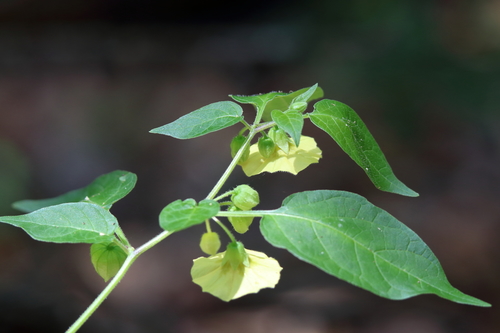
(c) Gigi Laidler, some rights reserved (CC BY-NC), uploaded by Gigi Laidler
iNaturalist· cc-by-sa
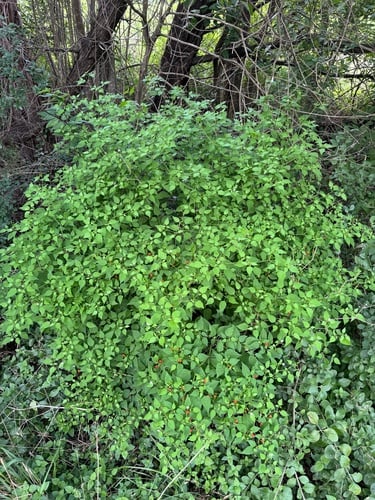
(c) Nicola van Berkel, some rights reserved (CC BY-SA), uploaded by Nicola van Berkel
Summary
Source: WikipediaLycium cinereum is a shrub in the nightshade family (Solanaceae) indigenous to southern Africa. It is widespread across South Africa, as well as southern Namibia and Botswana.
Description
A small shrub. It keeps growing from year to year. It grows up to 2 m high. The stems are spiny and the leaves are succulent. The leaves are narrow and in clusters. The flowers are white or blue. They are tube shaped and 5-10 mm long. They can occur singly or in clusters. The fruit are red berries.
Edible Uses
The red berries are eaten raw, particularly by children, and are also used as a coffee substitute.
Traditional Uses
The fruit are eaten raw. They are also used for coffee.
This uses section is brief — help expand it
Distribution
It is a subtropical plant. It grows in hot arid areas with a marked dry season. It grows in salty soils. It grows in seasonally flooded grassland. It grows between 5-1,780 m above sea level. It can grow in arid places.
Where It Grows
Africa, Botswana, Lesotho, Namibia, South Africa, Southern Africa,
Other Information
The fruit are eaten especially by children.
Synonyms
Also Known As
Boksdoring
References (4)
- Royal Botanic Gardens, Kew (1999). Survey of Economic Plants for Arid and Semi-Arid Lands (SEPASAL) database. Published on the Internet; http://www.rbgkew.org.uk/ceb/sepasal/internet [Accessed 11th June 2011]
- Ruiters-Welcome, A. K., 2019, Food plants of southern Africa. Ph.D. thesis. Univ. of Johannesburg p 102
- Van Damme, P et al, 1922, Plant Uses by the Topnaar of the Kuiseb Valley Namib Desert. Afrika Focus Vol. 8(3-4):223-252
- Welcome, A. K. & Van Wyk, B.-E., 2019, An inventory and analysis of the food plants of southern Africa. South African Journal of Botany 122 (2019) 136–179