Urochloa brachyura
(Hack.) Stapf
Annual tailgrass
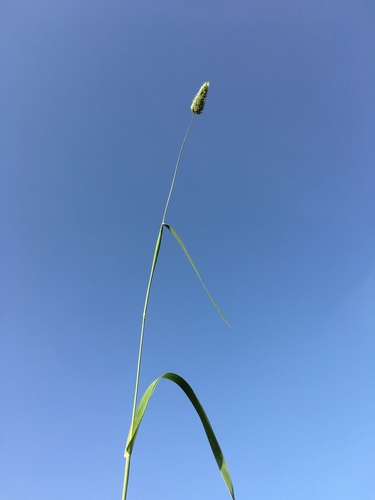
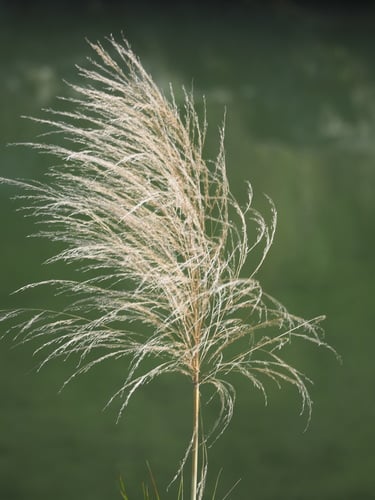
iNaturalist· cc-by-nc
(c) Ben Strohbach, some rights reserved (CC BY-NC), uploaded by Ben Strohbach
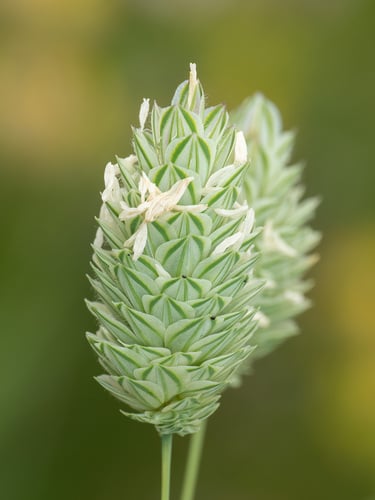
iNaturalist· cc-by-nc-sa
(c) David Hoare, some rights reserved (CC BY-NC-SA), uploaded by David Hoare
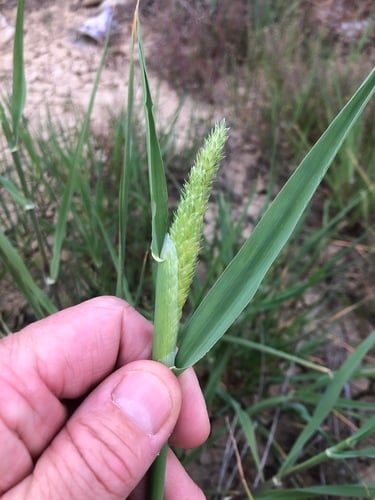
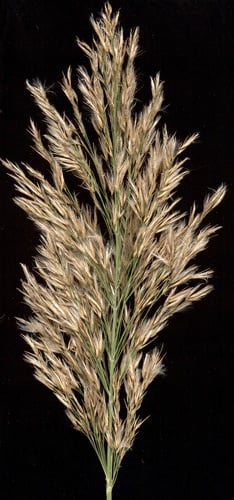
iNaturalist· cc-by-nc
(c) Ben Strohbach, some rights reserved (CC BY-NC), uploaded by Ben Strohbach
Description
A herb. It is an erect annual grass. It forms tussocks. It grows up to 1.2 m high. The leaf blades are broadly oval or sword shaped and 3-30 cm long by 3-16 mm wide.
Edible Uses
The seeds are used in porridge.
Traditional Uses
The seeds are used in porridge.
This uses section is brief — help expand it
Distribution
It is a subtropical plant. It grows in hot arid places. It grows in areas with an annual rainfall between 300-1,100 mm. It is often over limestone material. It can grow in semi desert. It can tolerate shade. It grows between 1,030-1,850 m above sea level. It can grow in arid places.
Where It Grows
Africa, Angola, Botswana, Central Africa, East Africa, Ethiopia, Kenya, Namibia, South Africa, Southern Africa, Tanzania, Zambia, Zimbabwe,
Production
The seeds are collected from harvester ant nests.
Also Known As
Dinofu, Epele, Lingrofu
References (4)
- Royal Botanic Gardens, Kew (1999). Survey of Economic Plants for Arid and Semi-Arid Lands (SEPASAL) database. Published on the Internet; http://www.rbgkew.org.uk/ceb/sepasal/internet [Accessed 4th June 2011]
- Ruiters-Welcome, A. K., 2019, Food plants of southern Africa. Ph.D. thesis. Univ. of Johannesburg p 90
- Welcome, A. K. & Van Wyk, B.-E., 2019, An inventory and analysis of the food plants of southern Africa. South African Journal of Botany 122 (2019) 136–179
- World Checklist of Useful Plant Species 2020. Royal Botanic Gardens, Kew