Phragmites mauritianus
Kunth
Lowveld reed
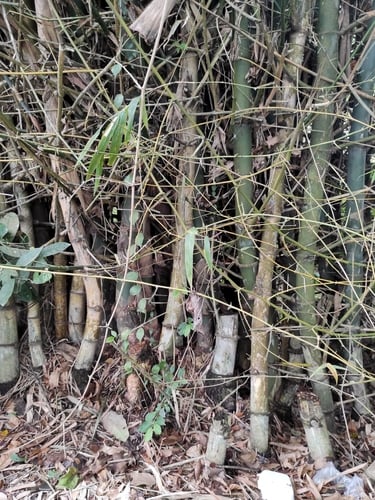
iNaturalist· cc-by-nc
(c) Roddy CJ Ward, some rights reserved (CC BY-NC), uploaded by Roddy CJ Ward
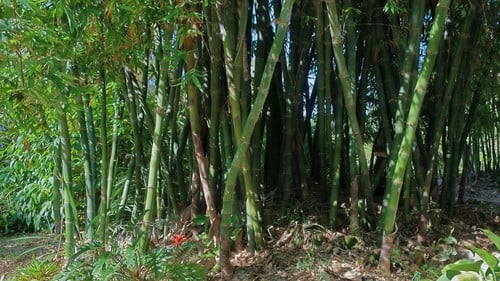
iNaturalist· cc-by-nc
(c) Paul Marcum, some rights reserved (CC BY-NC)
Description
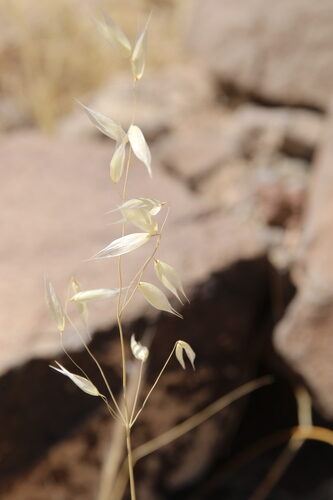
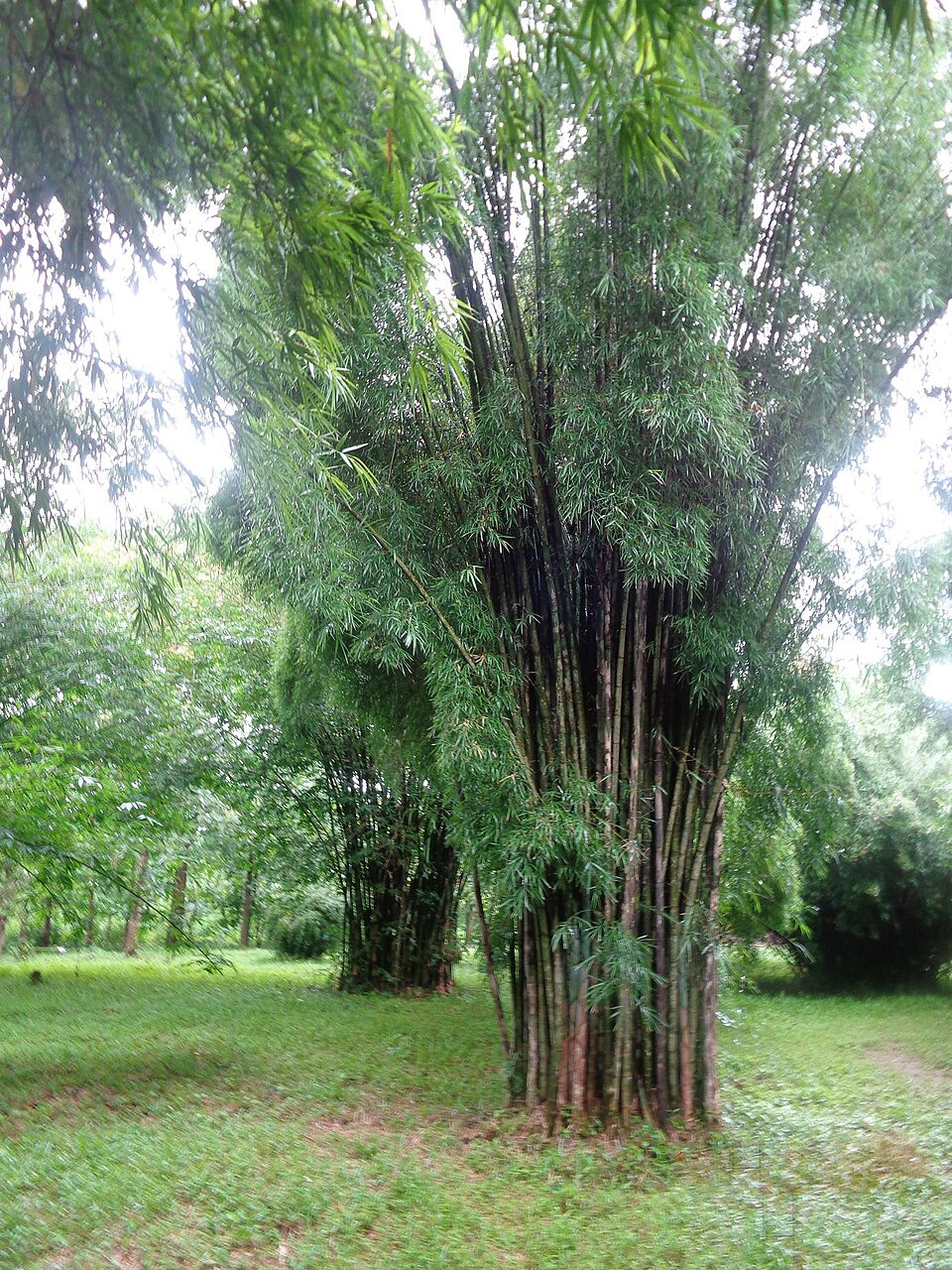
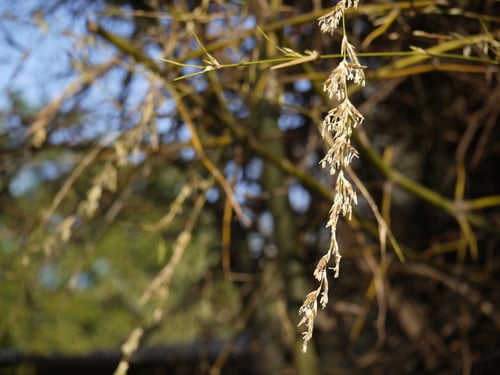
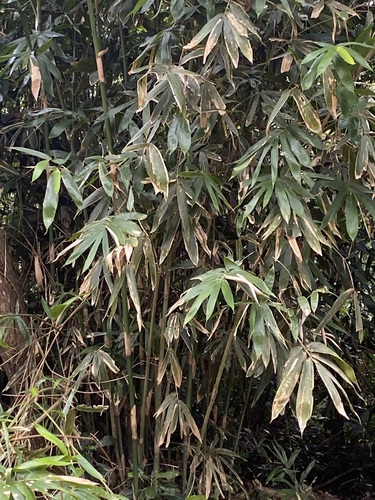
A reed grass. It is more robust than common reed. It can be 3 m high. The leaves are broad and flat. They are greyish. The leaves are 2.5 cm wide. They taper to a sharp point. The shoots at the base have very sharp short leaves. The stems are very stout and stiffly erect. The flower shoot is like a feather. It is at the top and can be 45 cm long and 20 cm wide. The light brown hairy spikelets are 1 cm long.
Edible Uses
The young shoots are cooked and eaten as a delicacy despite being slightly bitter. The sweet sap from damaged stems is dried and used as a sugar.
Traditional Uses
The young shoots although slightly bitter are cooked and eaten as a delicacy. The sap from damaged stems is sweet and dried as a sugar.
This uses section is brief — help expand it
Distribution
It is a tropical and subtropical plant. It grows in poorly waterlogged and seasonally flooded land. It grows from sea level to 1,600 m above sea level. It can grow in arid places.
Where It Grows
Africa, Angola, Botswana, Central Africa, Congo, East Africa, Eswatini, Ethiopia, Kenya, Madagascar, Malawi, Mozambique, Namibia, Rwanda, South Africa, Southern Africa, Sudan, Swaziland, Tanzania, Uganda, Zambia, Zimbabwe,
Synonyms
Also Known As
Eembungu, Eterre, Gondze, Katete, Lubu, M'tete, Matete, Mbu, Mitetu, Oruu, Umuseke
References (7)
- Fowler, D. G., 2007, Zambian Plants: Their Vernacular Names and Uses. Kew. p 72
- Kakeya, 1976,
- Peters, C. R., O'Brien, E. M., and Drummond, R.B., 1992, Edible Wild plants of Sub-saharan Africa. Kew. p 26
- Pickering, H., & Roe, E., 2009, Wild Flowers of the Victoria Falls Area. Helen Pickering, London. p 97
- Royal Botanic Gardens, Kew (1999). Survey of Economic Plants for Arid and Semi-Arid Lands (SEPASAL) database. Published on the Internet; http://www.rbgkew.org.uk/ceb/sepasal/internet [Accessed 4th June 2011]
Show all 7 references Hide references
- Swaziland's Flora Database http://www.sntc.org.sz/flora
- World Checklist of Useful Plant Species 2020. Royal Botanic Gardens, Kew