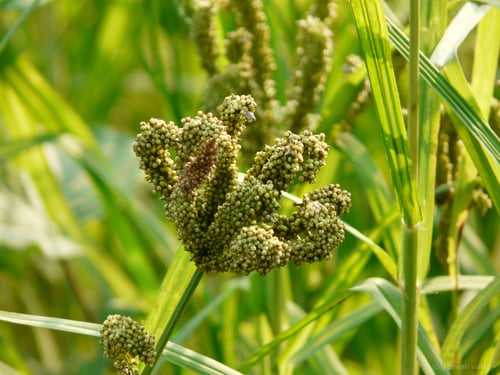
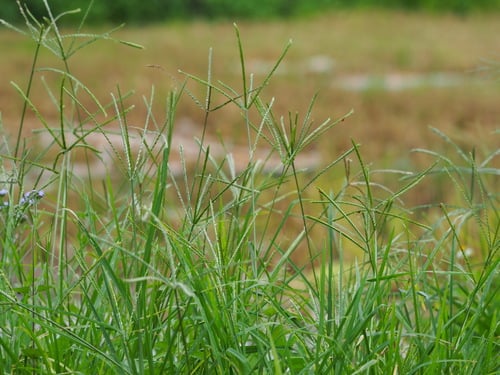
Sorghum bicolor subsp. drummondii
(L.) Moench, (Steud.) de Wet
Sudan grass
iNaturalist· cc-by-nc
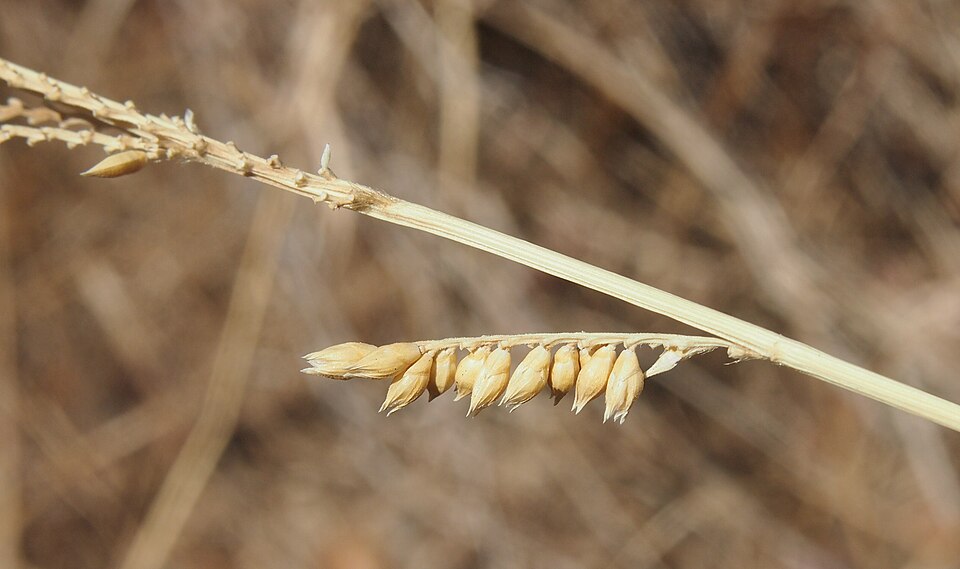
(c) 王柏輝, some rights reserved (CC BY-NC)
iNaturalist· cc-by-nc
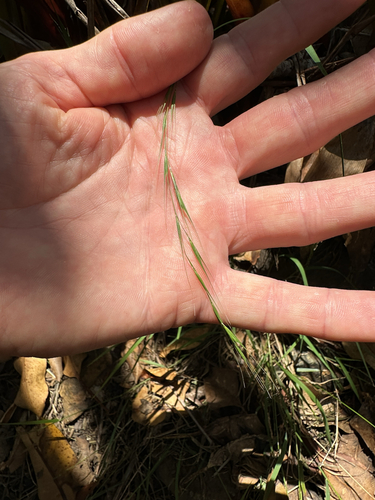
(c) onidiras-iNaturalist, some rights reserved (CC BY-NC), uploaded by onidiras-iNaturalist
iNaturalist· cc-by-nc
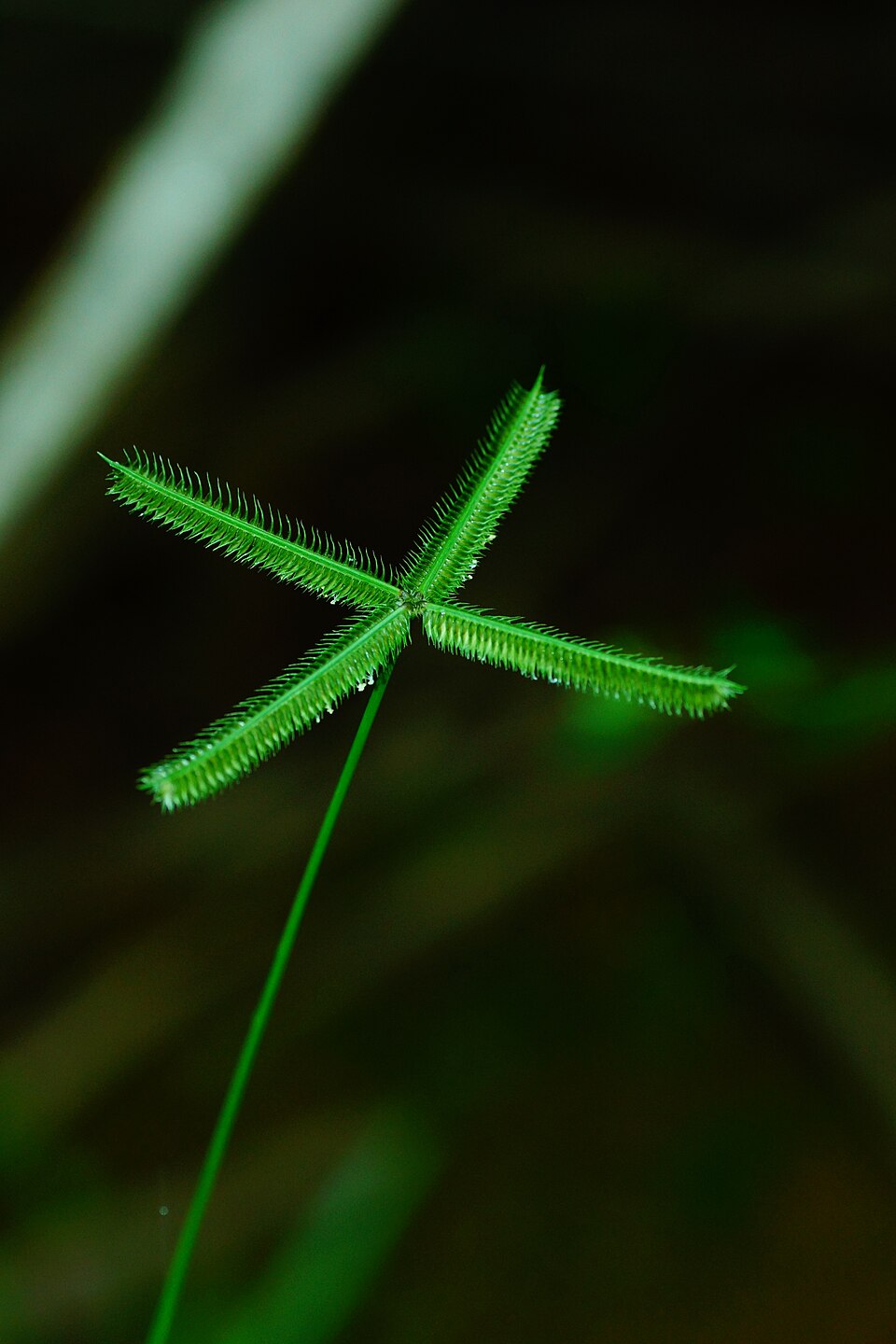
(c) 王柏輝, some rights reserved (CC BY-NC)
Description
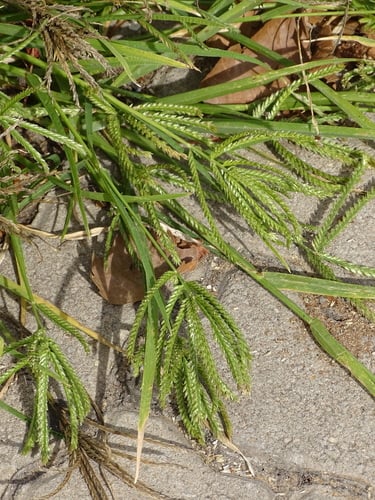
A herb. It is an annual grass that forms tussocks. It grows up to 3 m high. The leaves are 1 cm wide. The flower panicle is open and loose. It is 15-30 cm long.
Edible Uses
The seeds are eaten as a cereal grain.
Distribution
It is a subtropical plant. It grows in hot arid regions. It grows in areas with an annual rainfall between 200-600 mm. It grows between 600-1,900 m above sea level. It can grow in arid places.
Where It Grows
Africa, Asia, Botswana, East Africa, Lesotho, Mozambique, Myanmar, Namibia, SE Asia, South Africa, Southern Africa, Zimbabwe,
Notes
It has a C4 pathway.
Synonyms
Also Known As
Tumbi
References (2)
- Wiersema, J. H. & Leon, B., 2013, World Economic Plants. A Standard Reference CRC Press. 2nd Ed. p 652
- Royal Botanic Gardens, Kew (1999). Survey of Economic Plants for Arid and Semi-Arid Lands (SEPASAL) database. Published on the Internet; http://www.rbgkew.org.uk/ceb/sepasal/internet [Accessed 4th June 2011]