Eriochloa fatmensis
(Hochst. & Steud.) Clayton
Tropical cup grass
gbif· cc-by-nc-sa
MBG
gbif· cc-by
Herbrecs
gbif· cc-by
Herbrecs
Description
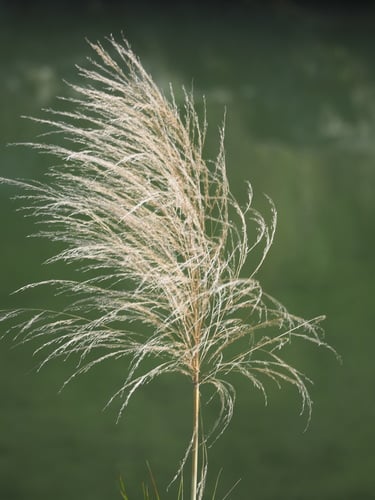
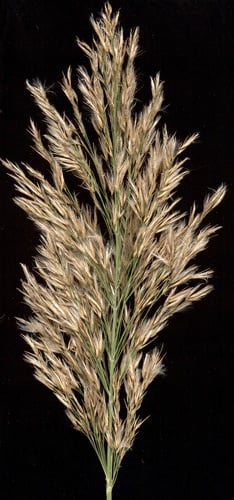
An annual grass. It grows 10-120 cm high. It can be erect or bent upwards. The leaf blades are 3-30 cm long and 2-10 mm wide. The flower panicle is 3-20 cm long. The stalk can be 3 sided and hairy. The spikes are in pairs. The spikelets are sword shape and 3-5 mm long.
Edible Uses
The seeds are eaten as a cereal.
Distribution
A tropical plant. It can grow in wet or dry conditions. It grows in damp conditions and in marshes and near lakes. It grows from sea level to 1,800 m above sea level. It can grow in arid places.
Where It Grows
Africa, Angola, Arabia, Botswana, Burkina Faso, Central Africa, Congo, East Africa, Ethiopia, Ghana, India, Indochina, Kenya, Madagascar, Malawi, Mali, Mauritania, Middle East, Mozambique, Namibia, Niger, Nigeria, Pakistan, Sahel, Sao Tome and Principe, Saudi Arabia, SE Asia, Senegal, South Africa, Southern Africa, Sudan, Tanzania, Thailand, Uganda, West Africa, Zambia, Zimbabwe,
Notes
There are about 30 Eriochloa species.
Synonyms
Also Known As
Buteri, Geron
References (7)
- Abbiw, D.K., 1990, Useful Plants of Ghana. West African uses of wild and cultivated plants. Intermediate Technology Publications and the Royal Botanic Gardens, Kew. p 26
- Burkill, H. M., 1985, The useful plants of west tropical Africa, Vol. 2. Kew.
- Dalziel, J. M., 1937, The Useful plants of west tropical Africa. Crown Agents for the Colonies London.
- Flora of Pakistan. www.eFloras.org
- Kew Bull. 30:108. 1975
Show all 7 references Hide references
- Peters, C. R., O'Brien, E. M., and Drummond, R.B., 1992, Edible Wild plants of Sub-saharan Africa. Kew. p 23
- Royal Botanic Gardens, Kew (1999). Survey of Economic Plants for Arid and Semi-Arid Lands (SEPASAL) database. Published on the Internet; http://www.rbgkew.org.uk/ceb/sepasal/internet [Accessed 3rd June 2011]