Cymbopogon giganteus
Chiov.
Giant turpentine grass
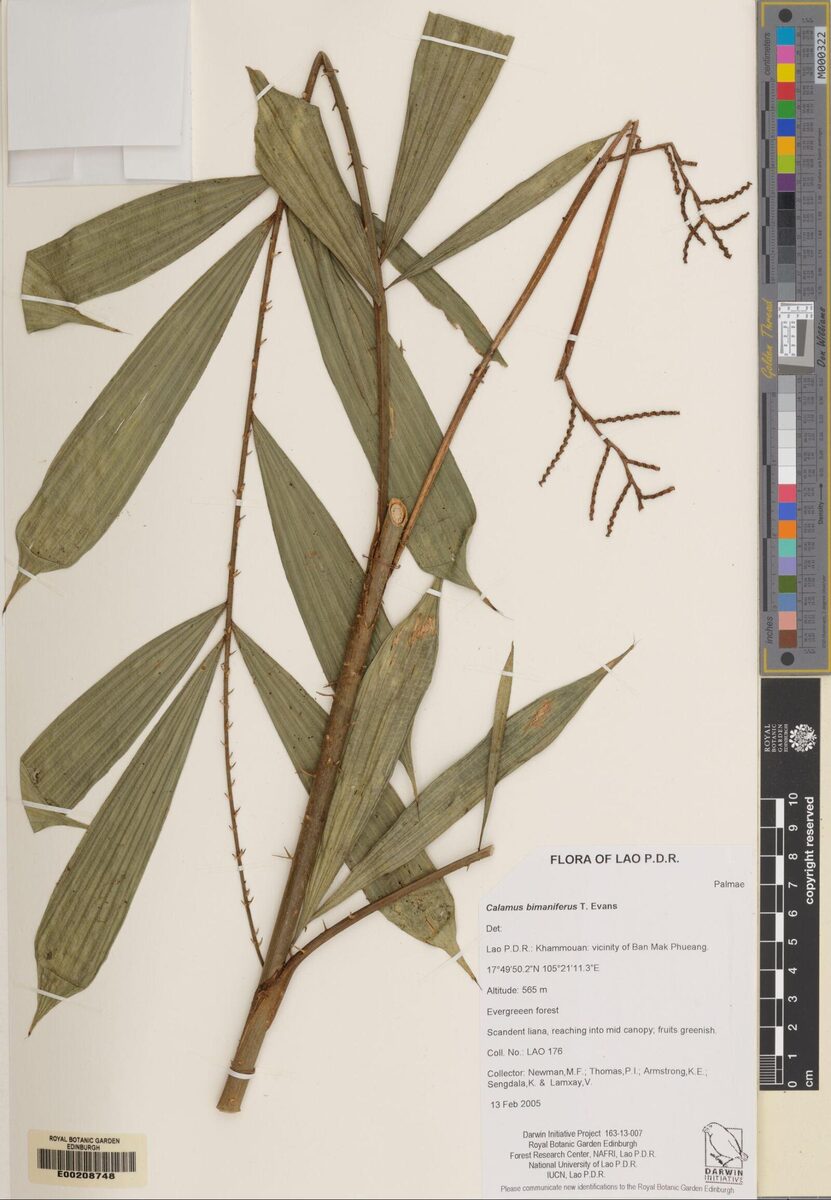
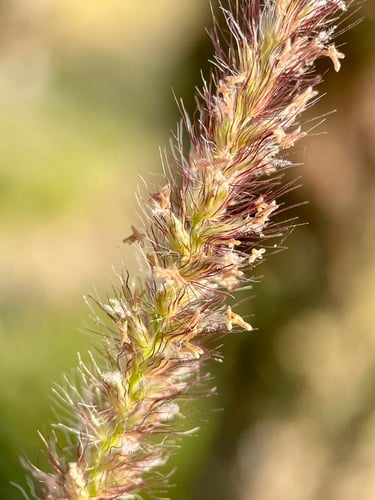
iNaturalist· cc-by-nc
(c) Royal Botanic Garden Edinburgh, some rights reserved (CC BY-NC)
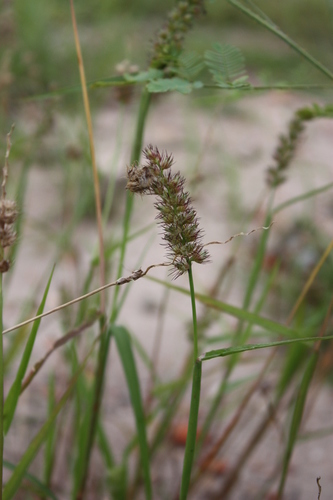
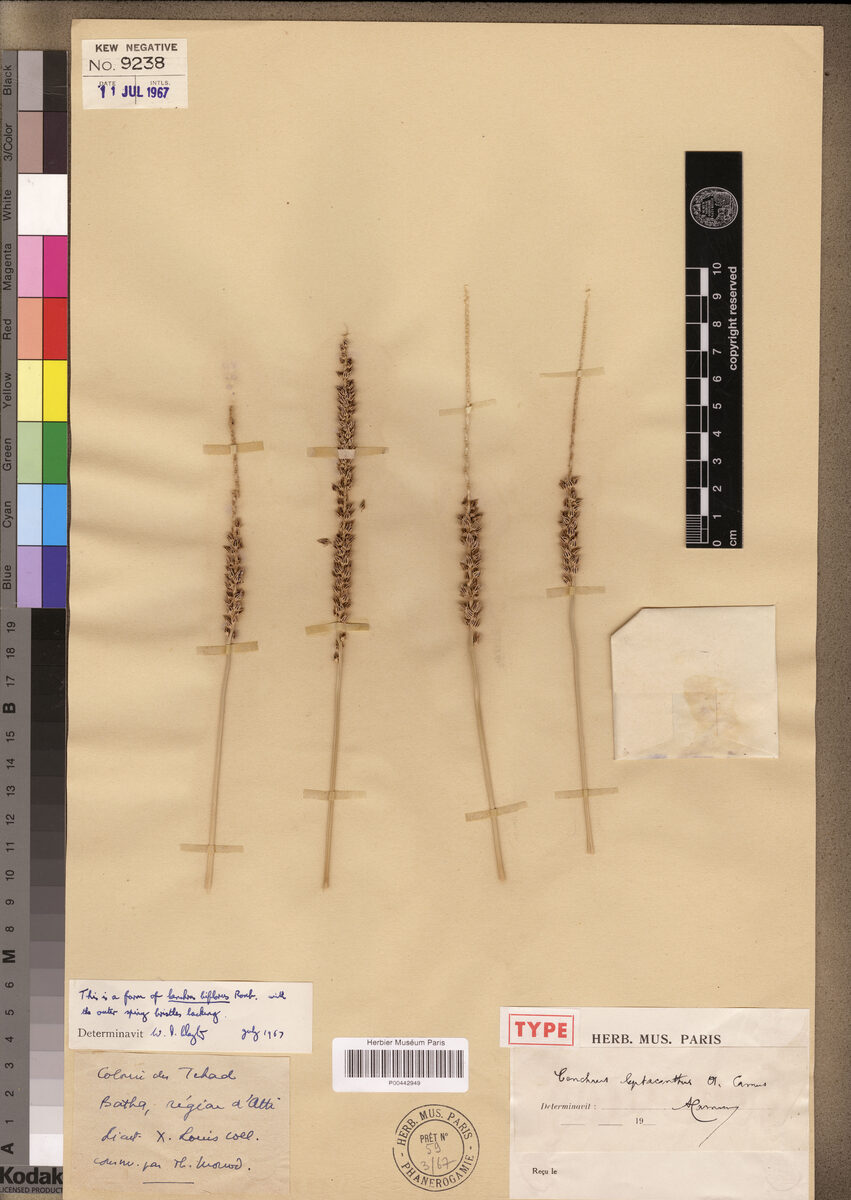
iNaturalist· cc-by-nc
(c) fenitra noro, some rights reserved (CC BY-NC), uploaded by fenitra noro
Description
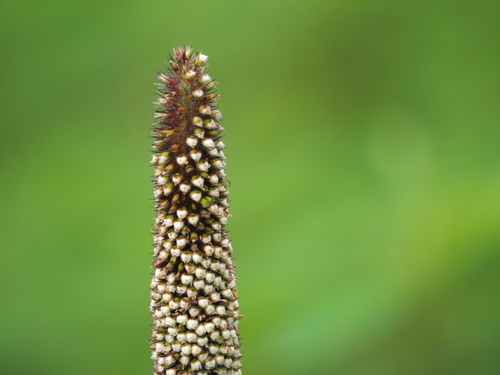
A grass. It forms loose tufts. It has underground stems or rhizomes. It keeps growing from year to year. It grows 3 m high. The leaves have a lemon like smell when crushed.
Edible Uses
Leaves - cooked. Vey occasionally eaten. The plant enters into human diet in only a small way. It is added to the meat of carnivores at the time of cooking as an aid to digestion. It is added to meat as a flavouring, and to food generally. The grain is put into sauces.
Traditional Uses
The seeds are put into sauces. The leaves are probably used to add a lemon flavour.
This uses section is brief — help expand it
Medicinal Uses
The grass has a great reputation in the W African pharmacopoeia as a panacea. It is credited with both prophylactic and curative power against fever, yellow fever and jaundice. A decoction, or infusion, of the inflorescences is taken internally and in baths, and clumps of the plant reduced to a pulp by pounding together with other drug-plants are used as a body-friction. Such treatments have been traditionally prescribed during the yellow fever epidemics of the end of the 19th century and the beginning of the 20th by both African and western medical practitioners. Dried panicles are commonly sold in markets as a fever-remedy, for which it is mixed with lime-juice, etc. It is also one of many folk-medicines for coughs. A root decoction is taken as a remedy for cough. It also has a reputation for the treatment of strokes and mental disorders. A decoction of the leaves is taken to relieve stomach ache. The leaf sap is taken in the treatment of epilepsy, while at the same time the body is embrocated with it, combined with the sap of Crassocephalum crepidioides. An infusion is given to children with fever and to women who have miscarried, who are also bathed in it. It has pulmonary use when reinforced with a number of other drug-plants. It is also held to have diuretic properties. A nasal instillation of the leaf sap is taken to relieve migraine. The pain of sore throat is assuaged by the application of a poultice of pounded leaves. A root and leaf decoction, combined with the bark of Sclerocarya birrea, is taken as a remedy for dropsy, and the diuretic effect is tried on blennorrhoea. The plant is made up into a masticatory for oral troubles: gingivitis, aphthae and stomatitis in children. The plant has anodyne and analgesic properties. It commonly serves as a body-wash or embrocation in fatigue. Glucose and rhamnose, and glycerides of linolenic acid, oleic acid, behenic acid, liquoceric acid and arachidic acid are reported present in the flower panicles amongst other substances.
Distribution
It is a tropical plant. It grows in sandy coastal regions. It can grow in some shade but is best in full sun. It can grow in arid places.
Where It Grows
Africa, Angola, Benin, Burkina Faso, Central Africa, Chad, Congo, Côte d'Ivoire, East Africa, Ethiopia, Gambia, Ghana, Guinea, Guinée, Guinea-Bissau, Ivory Coast, Kenya, Malawi, Mali, Mauritania, Mozambique, Niger, Nigeria, Sahel, Senegal, Sierra Leone, Sudan, Tanzania, Togo, Uganda, West Africa, Zambia, Zimbabwe,
Cultivation
The plant requires good soil and no shade, often colonising fallows and fire-devastated areas. Species in this genus generally grow best in a sunny position in a moisture-retentive but well-drained soil. Many of them are found in dry soils in the wild.
Propagation
Seed - surface sow or only just cover, sowing the seeds in a nursery seedbed. Prick out the seedlings into individual pots at the 3 - 4 leaf stage and grow on until large enough to plant out. Seed can also be sown in situ, but this often results in heavy weed infestation. Division of established clumps. This is best done annually or they can become too crowded and suffer. The offshoots of this species often fail to establish.
Other Uses
The flower panicles contain 1 - 1.5% of an essential oil. By distillation this comes over as a water-soluble essence which can be separated out by the addition of sea salt. It has a strong agreeable smell likened to that of 'ginger grass' whose identity is not disclosed, but probably is Cymbopogon martinii sofia, an Indian plant yielding ginger oil, with a concentration of 40% geraniol. This is an important essence in the perfumery trade, but it should also be noted that the essential oil of C. giganteus is rich in phellandrine, which is one of the oils in the roots of ginger (Zingiber officinale). The rhizome also yields an essential oil, assayed at 0.5%. The culms are used in hut-construction, and are a common thatching material. The culms are worked together to make fencing and palisades, and hut-walls and partitions. The culms are commonly used for zaanaa (Hausa) mats, and are made into beds called chika. The pithy stems are turned into toy arrow-shafts used by boys. Hunting arrows are made by tipping the stem with a sharp bamboo. Religious teachers (malams) cut the stems for use as pens. The plant can be used to prevent soil erosion.
Synonyms
Also Known As
Chisugumbi, Gbezin, Oflin, Timammuti, Tsauri grass, Wangono
References (8)
- Achigan-Dako, E, et al (Eds), 2009, Catalogue of Traditional Vegetables in Benin. International Foundation for Science.
- Dansi, A., et al, 2008, Traditional leafy vegetables and their use in the Benin Republic. Genet Resour Crop Evol (2008) 55:1239–1256
- Kafoutchoni, K. M., et al, 2018, Species richness, cultural importance, and prioritization of wild spices for conservation in the Sudano-Guinean zone of Benin (West Africa). Journal of Ethnobiology and Ethnomedicine. 14:67
- Mutie, F. M., et al, 2023, Important Medicinal and Food Taxa (Orders and Families) in Kenya, Based on Three Quantitative Approaches. Plants 2023, 12, 1145
- Royal Botanic Gardens, Kew (1999). Survey of Economic Plants for Arid and Semi-Arid Lands (SEPASAL) database. Published on the Internet; http://www.rbgkew.org.uk/ceb/sepasal/internet [Accessed 8th May 2011] (As Cymbopogon giganteus)
Show all 8 references Hide references
- Segnon, A. C. and Achigan-Dako, E. G., 2014, Comparative analysis of diversity and utilization of edible plants in arid and semi-arid areas in Benin. Journal of Ethnobiology and Ethnomedicine. 10:80
- Seidemann J., 2005, World Spice Plants. Economic Usage, Botany, Taxonomy. Springer. p 130
- World Checklist of Useful Plant Species 2020. Royal Botanic Gardens, Kew