Bambusa stenostachya
Hackel
Thorny bamboo
iNaturalist· cc0
no rights reserved, uploaded by 葉子
iNaturalist· cc-by
(c) chiuluan, some rights reserved (CC BY), uploaded by chiuluan
iNaturalist· cc-by-nc
(c) 陳育賢, some rights reserved (CC BY-NC), uploaded by 陳育賢
Description
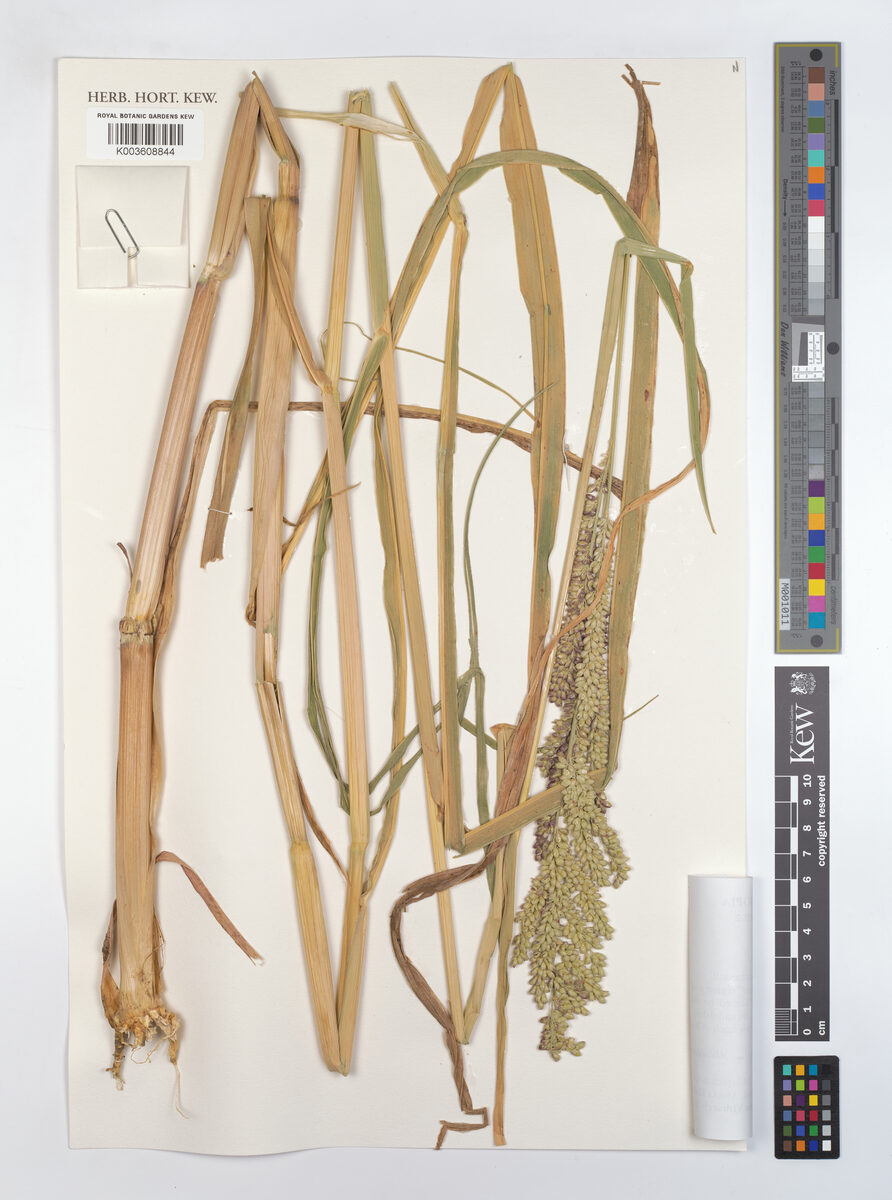
A bamboo. It is spiny. The stalks are 15-24 m high. The internodes are 25-40 cm long. They are 8-15 cm wide. The leave are narrow and sword shaped. They are 10-25 cm long and 2 cm wide.
Edible Uses
Young shoots of Bambusa blumeana are boiled and eaten as a vegetable, being harvested when they first emerge from the ground. The plant is used as a living fence between fields, as a windbreak around homesteads and to prevent erosion on river banks. The poles are useful as a lightweight scaffolding but are not durable enough for building construction; other uses include basket-making, furniture manufacture, parquet, toys, chopsticks and kitchen utensils. The culms of this bamboo, along with those of Dendrocalamus asper, are the main source of bamboo pulp used to make paper. Bambusa blumeana is sometimes cultivated as an ornamental plant. Propagation can be from seed, but the plant only flowers once every few years, so seed is often unavailable. Clumps can be divided when new growth is commencing, or culms can be cut into sections and used as cuttings.
Traditional Uses
Young tender shoots are boiled and eaten as a vegetable.
This uses section is brief — help expand it
Distribution
A tropical plant.
Where It Grows
Asia, China, India,
Cultivation
It is cultivated as a hedge plant.
Other Information
The shoots are used locally.
Notes
There are about 120 Bambusa species. They are tropical and subtropical in Asia.
Synonyms
References (6)
- Ambasta S.P. (Ed.), 2000, The Useful Plants of India. CSIR India. p 67
- Hort. bengal. 25. 1814
- http://www.plantnames.unimelb.edu.au/sorting/Bamboos_Edible.html
- Hu, Shiu-ying, 2005, Food Plants of China. The Chinese University Press. p 285 (As stenostachya)
- Martin, F.W. & Ruberte, R.M., 1979, Edible Leaves of the Tropics. Antillian College Press, Mayaguez, Puerto Rico. p 194
Show all 6 references Hide references
- Terra, G.J.A., 1973, Tropical Vegetables. Communication 54e Royal Tropical Institute, Amsterdam, p 27