Geranium incanum subsp. nyassense
Burm. f., (Kunth) Laundon
Carpet geranium
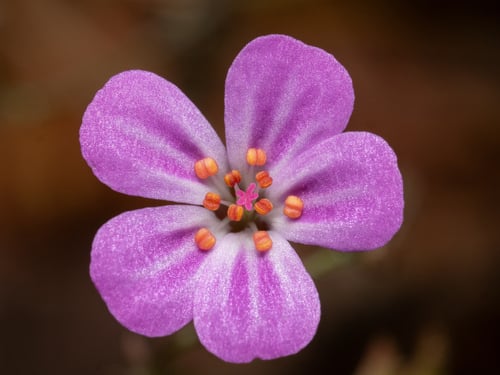
iNaturalist· cc-by-nc
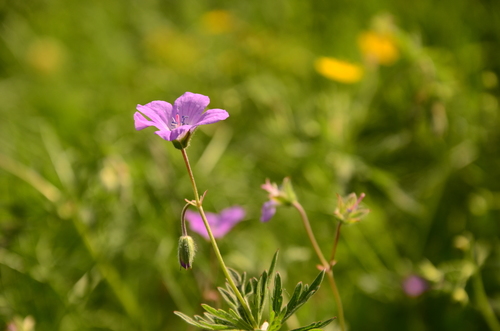
(c) dianastromberg, some rights reserved (CC BY-NC)
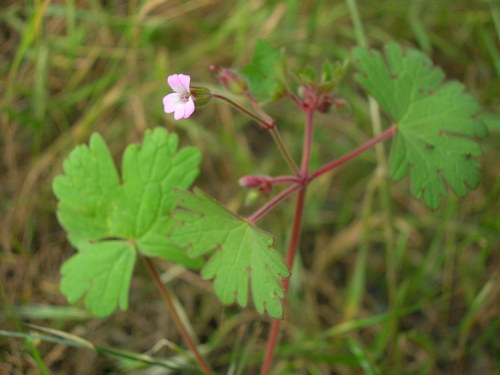
iNaturalist· cc-by-nc
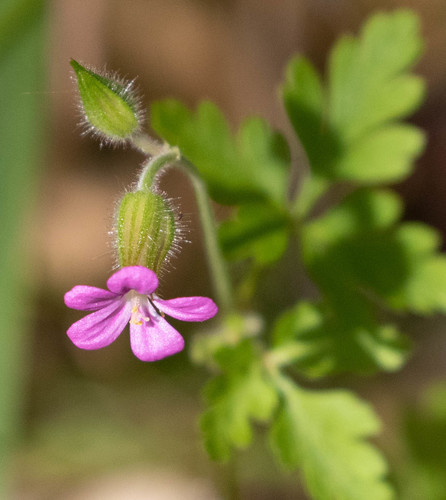
(c) Antoinette Burger, some rights reserved (CC BY-NC), uploaded by Antoinette Burger
iNaturalist· cc-by-sa
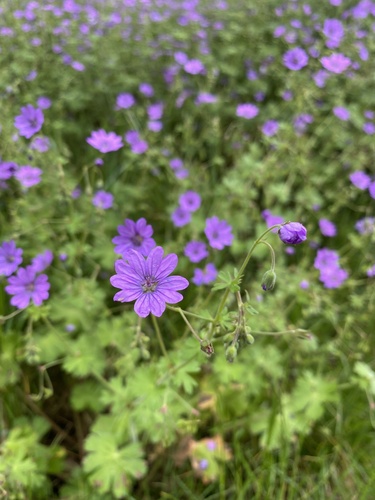
(c) Nicola van Berkel, some rights reserved (CC BY-SA), uploaded by Nicola van Berkel
Description
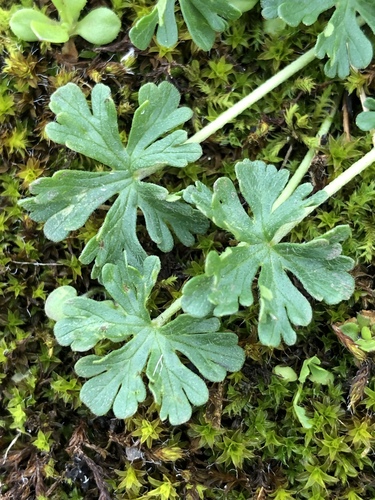
A small creeping herb. It can lie along the ground or have branches that curve upwards. The leaves are feathery and silvery green. The leaves have 3-7 lobes. The leaves are divided near the base and have long sword shaped segments. They are hairy. The flowers are in the axils of leaves. The flowers are mauve or white with darker veins. The fruit is smooth and hairy with a beak. It is 13-27 mm long. Older leaves turn orange-red.
Edible Uses
The leaves are used to make tea.
Distribution
It is a Mediterranean climate plant. It grows in dry soil. It grows between 900-2,600 m above sea level. It can grow in arid places.
Where It Grows
Africa, East Africa, Egypt, Ethiopia, Malawi, Mozambique, Niger, Nigeria, North Africa, Sahel, Senegal, South Africa, Southern Africa, Tanzania, West Africa, Zimbabwe,
Cultivation
Plants usually seed freely. It can be grown from cuttings.
Production
It is fast growing.
Synonyms
Also Known As
Bergtee
References (2)
- Joffe, P., 2007, Creative Gardening with Indigenous Plants. A South African Guide. Briza. p 296
- Royal Botanic Gardens, Kew (1999). Survey of Economic Plants for Arid and Semi-Arid Lands (SEPASAL) database. Published on the Internet; http://www.rbgkew.org.uk/ceb/sepasal/internet [Accessed 16th April 2011]