Leysera gnaphalodes
L.
Geelblommetjiestee
iNaturalist· cc-by-sa
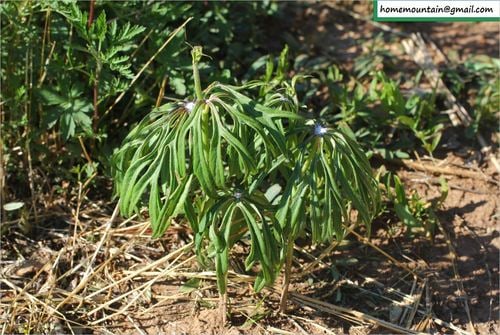
(c) Nicola van Berkel, some rights reserved (CC BY-SA), uploaded by Nicola van Berkel
iNaturalist· cc-by-sa
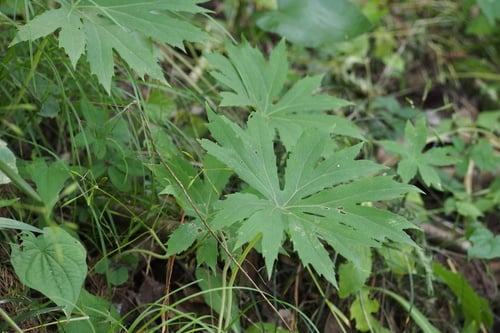
(c) Tony Rebelo, some rights reserved (CC BY-SA), uploaded by Tony Rebelo
iNaturalist· cc-by-nc
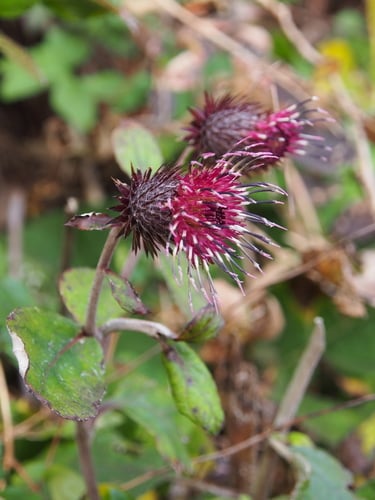
(c) Adam Labuschagne, some rights reserved (CC BY-NC), uploaded by Adam Labuschagne
Description
A herb or small shrub. It grows 50 cm high. The leaves are simple and alternate. They are narrow and grey green. They are 20-25 mm long by 1 mm wide. The flowers are daisy like and occur as single heads. They are on a long slender stalk. The flowers are yellow.
Edible Uses
The leaves and stems are brewed into an aromatic, sweet tea.
Traditional Uses
The leaves are used to make an aromatic tea.
This uses section is brief — help expand it
Distribution
It is a Mediterranean plant. It grows between 30-1,900 m above sea level. It can grow in arid places.
Where It Grows
Africa, Namibia, South Africa, Southern Africa,
Other Information
It is an attractive aromatic sweet tea.
Synonyms
Also Known As
Duinetee, Hongerbos, Hongertee
References (6)
- Facciola, S., 1998, Cornucopia 2: a Source Book of Edible Plants. Kampong Publications, p 34
- Fox, F. W. & Young, M. E. N., 1982, Food from the Veld. Delta Books. p 123
- Royal Botanic Gardens, Kew (1999). Survey of Economic Plants for Arid and Semi-Arid Lands (SEPASAL) database. Published on the Internet; http://www.rbgkew.org.uk/ceb/sepasal/internet [Accessed 11th April 2011]
- Ruiters-Welcome, A. K., 2019, Food plants of southern Africa. Ph.D. thesis. Univ. of Johannesburg p 35
- van Wyk, B-E., 2011, The potential of South African plants in the development of new food and beverage products. South African Journal of Botany 77 (2011) 857–868
Show all 6 references Hide references
- Welcome, A. K. & Van Wyk, B.-E., 2019, An inventory and analysis of the food plants of southern Africa. South African Journal of Botany 122 (2019) 136–179