Carduus crispus
L.
Welted thistle
iNaturalist· cc-by-nc
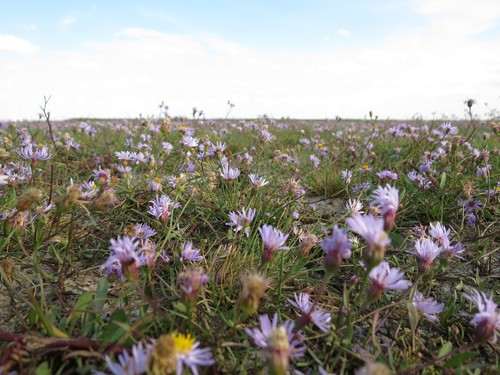
(c) Serge M. Appolonov, some rights reserved (CC BY-NC), uploaded by Serge M. Appolonov
iNaturalist· cc-by-nc
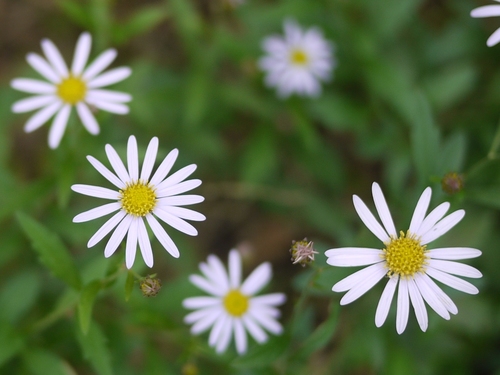
(c) Maria Kohanovskaya, some rights reserved (CC BY-NC)
Summary
Source: WikipediaCarduus crispus, the curly plumeless thistle or welted thistle, is a biennial herb in the daisy family Asteraceae. It is native to Eurasia and has been naturalized in North America and India.
Description
An annual herb. It is a thistle. It grows 1.5 m high and spreads 1 m wide. The stem is erect and winged. It has spines. The leaves are narrow and have lobes. They are prickly. There are prominent veins underneath. The flowers are small and purple. There are 3 or 4 clustered together.
Edible Uses
Young leaves can be cooked and eaten, though this plant is regarded as an emergency food, used when all else fails. An oil can also be expressed from the seed, as with all thistle species.
Medicinal Uses
The root is alterative and anodyne.
Known Hazards
None known.
Distribution
It is a temperate plant. It is resistant to drought and frost. It grows on mountain slopes and by rivers between 400-3,600 m above sea level.
Where It Grows
Asia, Australia, Britain*, Canada, Central Asia, China, Europe, Kazakhstan, Korea, Luxembourg, Mongolia, North America, Russia, USA,
Cultivation
Succeeds in a sunny position in ordinary garden soil. This species is closely related to C. acanthoides.
Propagation
Sow seed in spring in situ.
Other Uses
The seed of all thistle species yields a good oil by expression, though no details on potential yields are given. The plant is a favourite foodplant for caterpillars of the Painted Lady butterfly (Vanessa cardui).
Notes
There are about 90 Carduus species.
Also Known As
Curly plumeless thistle, welted thistle, Denmark: Kruset tidsel. Sweden: Krustistel.
References (6)
- Bodkin, F., 1991, Encyclopedia Botanica. Cornstalk publishing, p 213
- Kang, Y., et al, 2012, Wild food plants and wild edible fungi in two valleys on the Qinling Mountains (Shaanxi, central China) Journal of Ethnobiology and Ethnomedicine; 9:26
- Sp. pl. 2:821. 1753
- Plants for a Future database, The Field, Penpol, Lostwithiel, Cornwall, PL22 0NG, UK. http://www.scs.leeds.ac.uk/pfaf/
- Urgamal, M., Oyuntsetseg, B., Nyambayar, D. & Dulamsuren, Ch. 2014. Conspectus of the vascular plants of Mongolia. (Editors: Sanchir, Ch. & Jamsran, Ts.). Ulaanbaatar, Mongolia. “Admon“ Press. 334pp. (p. 199-230).
Show all 6 references Hide references
- Wujisguleng, W., & Khasbagen. K., 2010, An integrated assessment of wild vegetable resources in Inner Mongolian Autonomous Region, China. Journal of Ethnobiology and Ethnomedicine 6:34