Orbea lutea
(N. E. Br.) Bruyns
iNaturalist· cc-by-sa
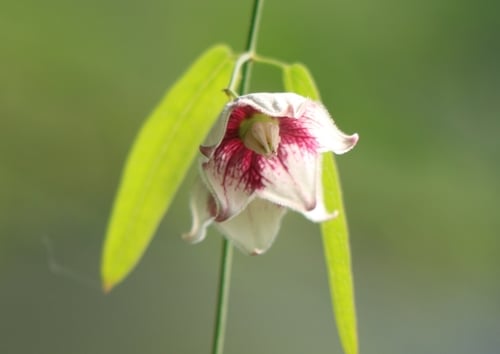
(c) Antoinette Eyssell Knox, some rights reserved (CC BY-SA), uploaded by Antoinette Eyssell Knox
iNaturalist· cc-by-nc
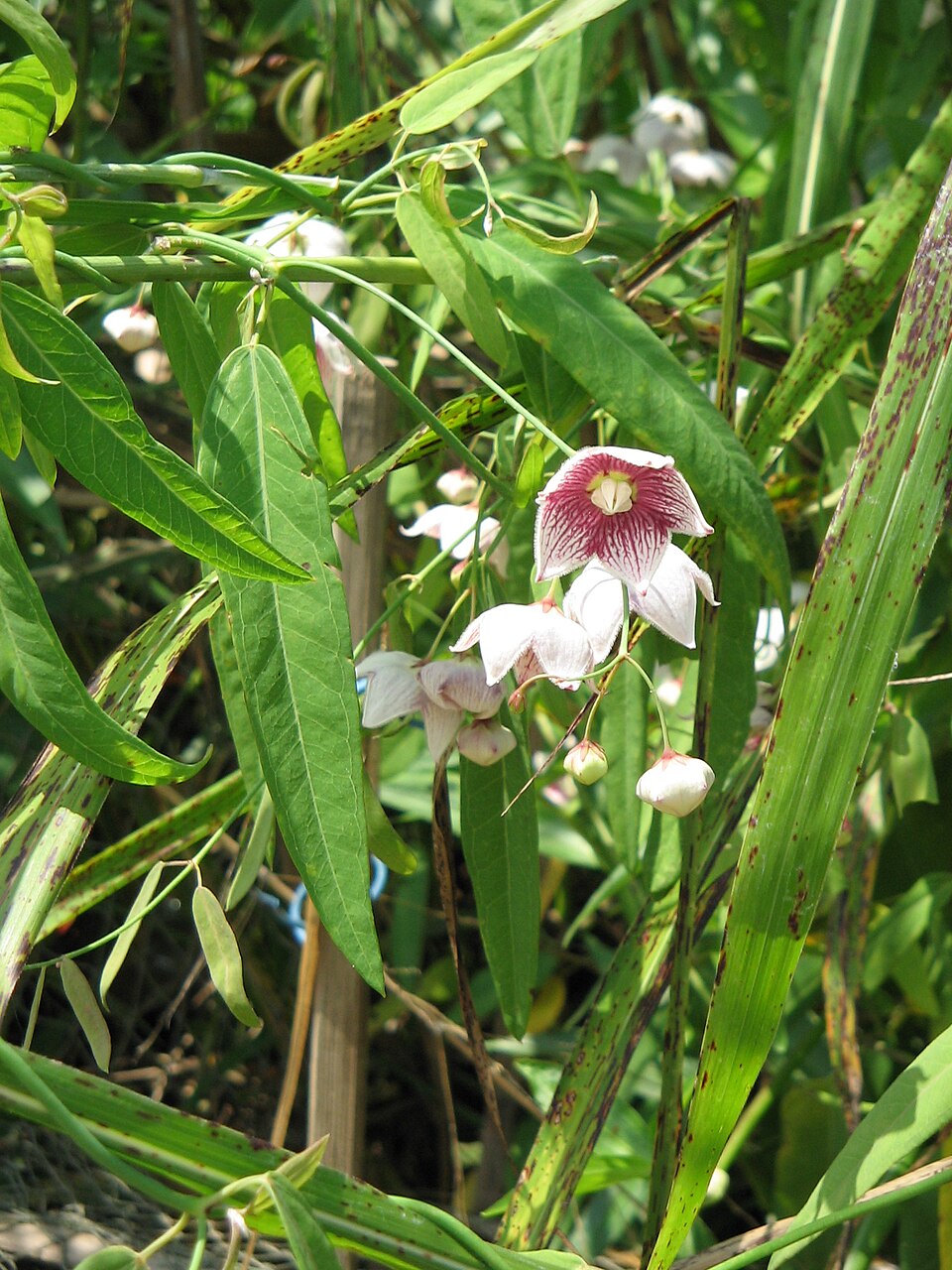
(c) jayvg, some rights reserved (CC BY-NC)
iNaturalist· cc-by-nc
(c) Pieter, some rights reserved (CC BY-NC), uploaded by Pieter
Description
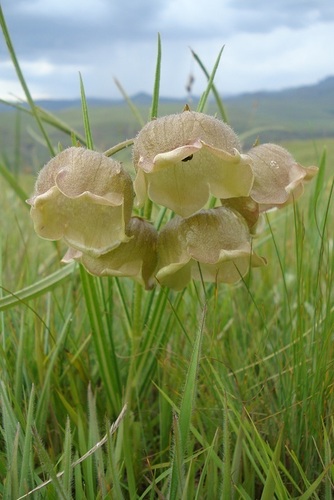
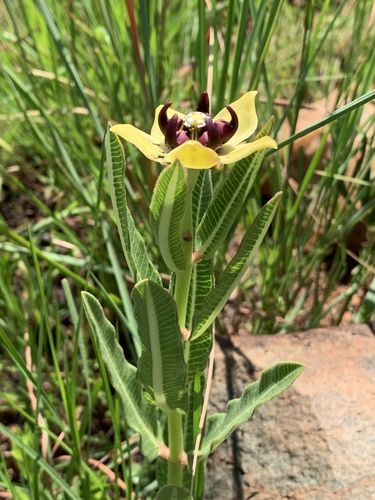
A herb with underground stems or rhizomes. It has succulent stems and keeps growing from year to year. It grows 12 cm high. It forms mats 1 m across. The stems are up to 12 cm long and 1-3 cm thick. The flowers are in groups of 3-30 with one group per stem. They are pale cream or green outside and yellow to red inside. The flowers have an unpleasant smell like rotten meat. There are some subspecies.
Traditional Uses
The stems are used as a vegetable. They are lightly roasted and eaten when food is short. The roots are eaten raw.
This uses section is brief — help expand it
Distribution
It is a subtropical plant. It suits hot arid, places. It grows in areas with a rainfall under 500 mm per year. It grows in places with a marked dry season. The dry season can be 6-11 months. It grows in deep, well-drained soils. In southern Africa it grows between 500-1,700 m above sea level. It can grow in arid places.
Where It Grows
Africa, Angola, Botswana, Central Africa, East Africa, Namibia, South Africa, Southern Africa, Zimbabwe,
Synonyms
Also Known As
Aasblom, Da:daba, Ekata, Etatema, Ghaap, Kopseer, Lalga, Slaanghaap
References (7)
- Maguire, 1978, (As Orbeopsis lutea subsp. lutea)
- Peters, C. R., O'Brien, E. M., and Drummond, R.B., 1992, Edible Wild plants of Sub-saharan Africa. Kew. p 65 (As Orbeopsis lutea subsp. lutea)
- Royal Botanic Gardens, Kew (1999). Survey of Economic Plants for Arid and Semi-Arid Lands (SEPASAL) database. Published on the Internet; http://www.rbgkew.org.uk/ceb/sepasal/internet [Accessed 30th March 2011]
- Ruiters-Welcome, A. K., 2019, Food plants of southern Africa. Ph.D. thesis. Univ. of Johannesburg p 25
- Silberbauer, 1972, (As Orbeopsis lutea subsp. lutea)
Show all 7 references Hide references
- Welcome, A. K. & Van Wyk, B.-E., 2019, An inventory and analysis of the food plants of southern Africa. South African Journal of Botany 122 (2019) 136–179
- World Checklist of Useful Plant Species 2020. Royal Botanic Gardens, Kew