Hoodia pedicellata
(Schinz) Plowes
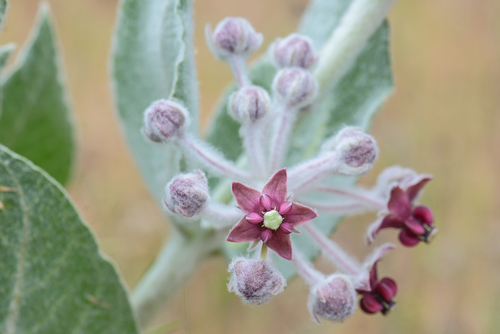
iNaturalist· cc-by-nc
(c) guyrufray, some rights reserved (CC BY-NC)
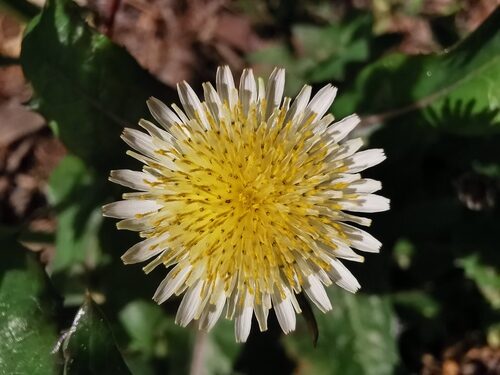
iNaturalist· cc-by-nc
(c) Sebastian Hatt, some rights reserved (CC BY-NC), uploaded by Sebastian Hatt
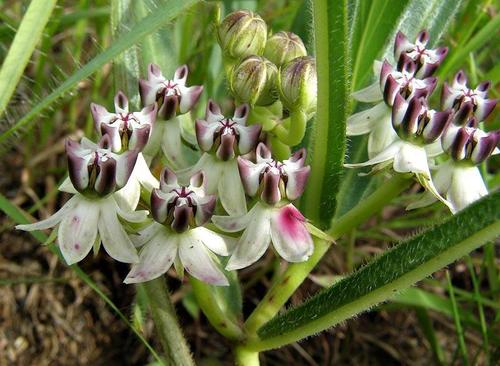
iNaturalist· cc-by-nc
(c) Sebastian Hatt, some rights reserved (CC BY-NC), uploaded by Sebastian Hatt
Description
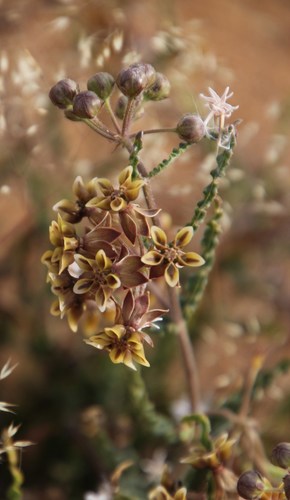
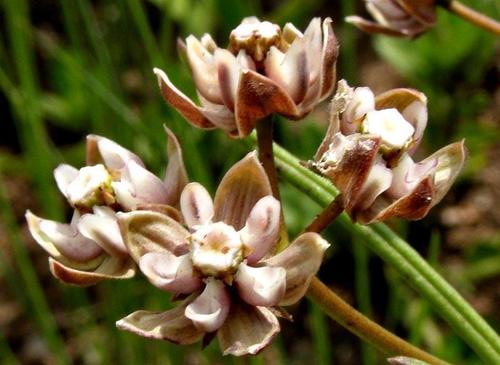
It is an erect herb. It has succulent stems with thorns. It grows 25 cm high. It has 20 or more stems. There are 1-4 flowers in a group. The corolla in bent and red or purple inside. The thorns are near the tip of the plant are often are blown off in the wind.
Edible Uses
The stems are eaten raw as a vegetable after the spines are removed, though they are bitter. Pieces of the stem are also added to sugar water to make a drink.
Traditional Uses
The stems are eaten raw as a vegetable after the spines are removed. They are bitter. They are also used for drinks. Pieces of the stem are added to sugar water to make a drink.
Distribution
It is a tropical plant. It grows in places that are hot and arid. It grows in places with a marked dry season. The dry season can be 6-11 months. It is usually on stony or rocky ground. In southern Africa it grows between 10-100 m above sea level. It grows on the coastal mist belt in Namibia. It is usually within 80 km of the coast. It can grow in arid places.
Where It Grows
Africa, Angola, Central Africa, Namibia, Southern Africa,
Notes
Also put in the family Asclepiadaceae.
Synonyms
Also Known As
Lgoan
References (5)
- Royal Botanic Gardens, Kew (1999). Survey of Economic Plants for Arid and Semi-Arid Lands (SEPASAL) database. Published on the Internet; http://www.rbgkew.org.uk/ceb/sepasal/internet [Accessed 30th March 2011]
- Sullivan, S., 1998, People plants and practice in drylands: Socio-political and ecological dimensions of resource-use by Damara farmers in north-west Namibia. Ph.D. Univ. College London. (As Trichocaulon pedicellatum)
- Van Damme, P et al, 1922, Plant Uses by the Topnaar of the Kuiseb Valley Namib Desert. Afrika Focus Vol. 8(3-4):223-252 (As Trichocaulon pedicellatum)
- Welcome, A. K. & Van Wyk, B.-E., 2019, An inventory and analysis of the food plants of southern Africa. South African Journal of Botany 122 (2019) 136–179
- World Checklist of Useful Plant Species 2020. Royal Botanic Gardens, Kew