Ancylobothrys pyriformis
Pierre
gbif· cc-by-sa
GBIF
gbif· cc-by-sa
GBIF
gbif· cc-by-sa
GBIF
Description
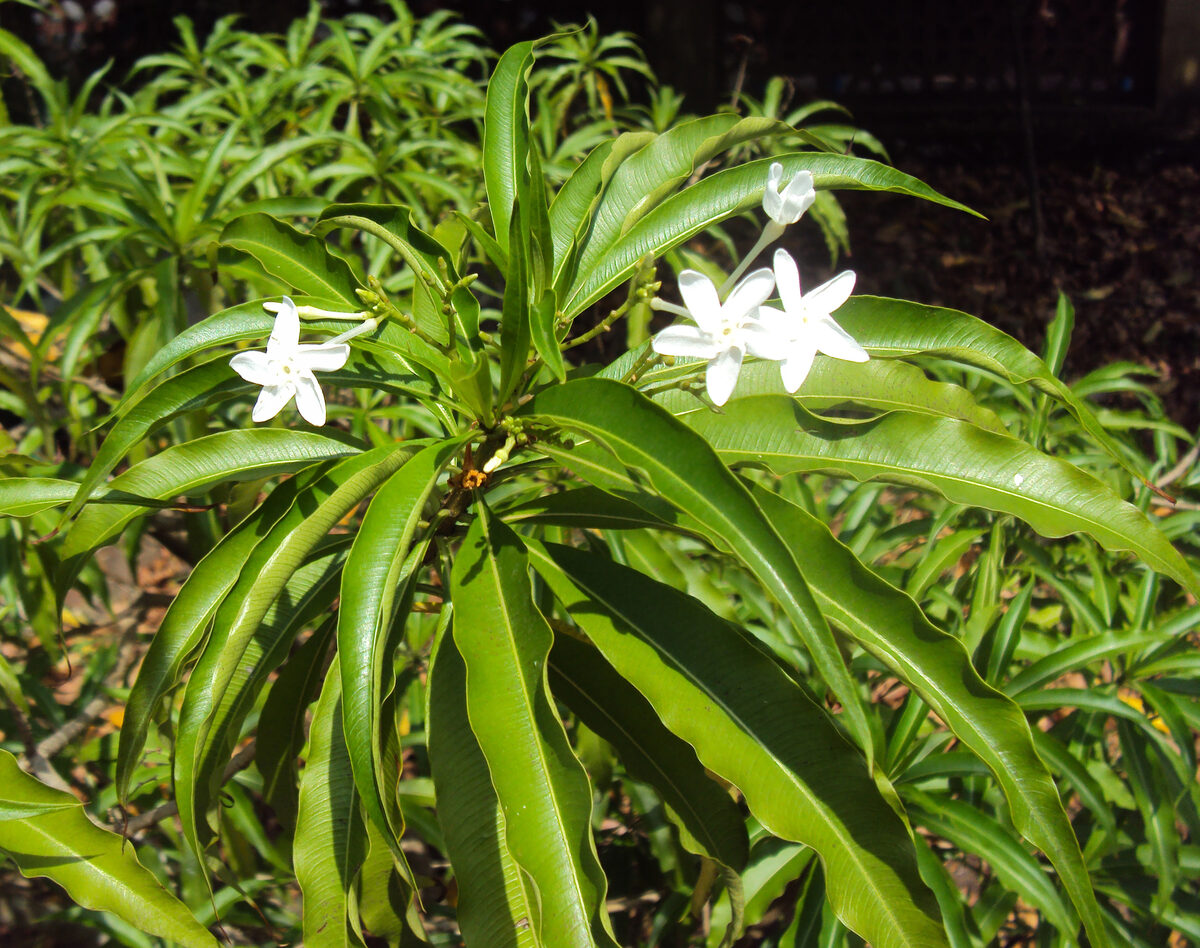
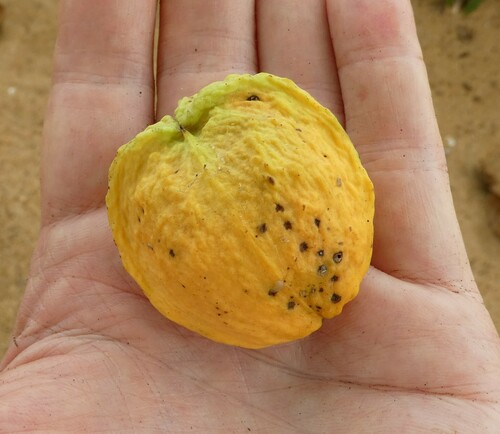
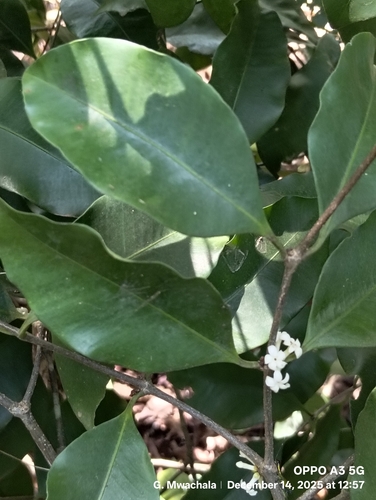
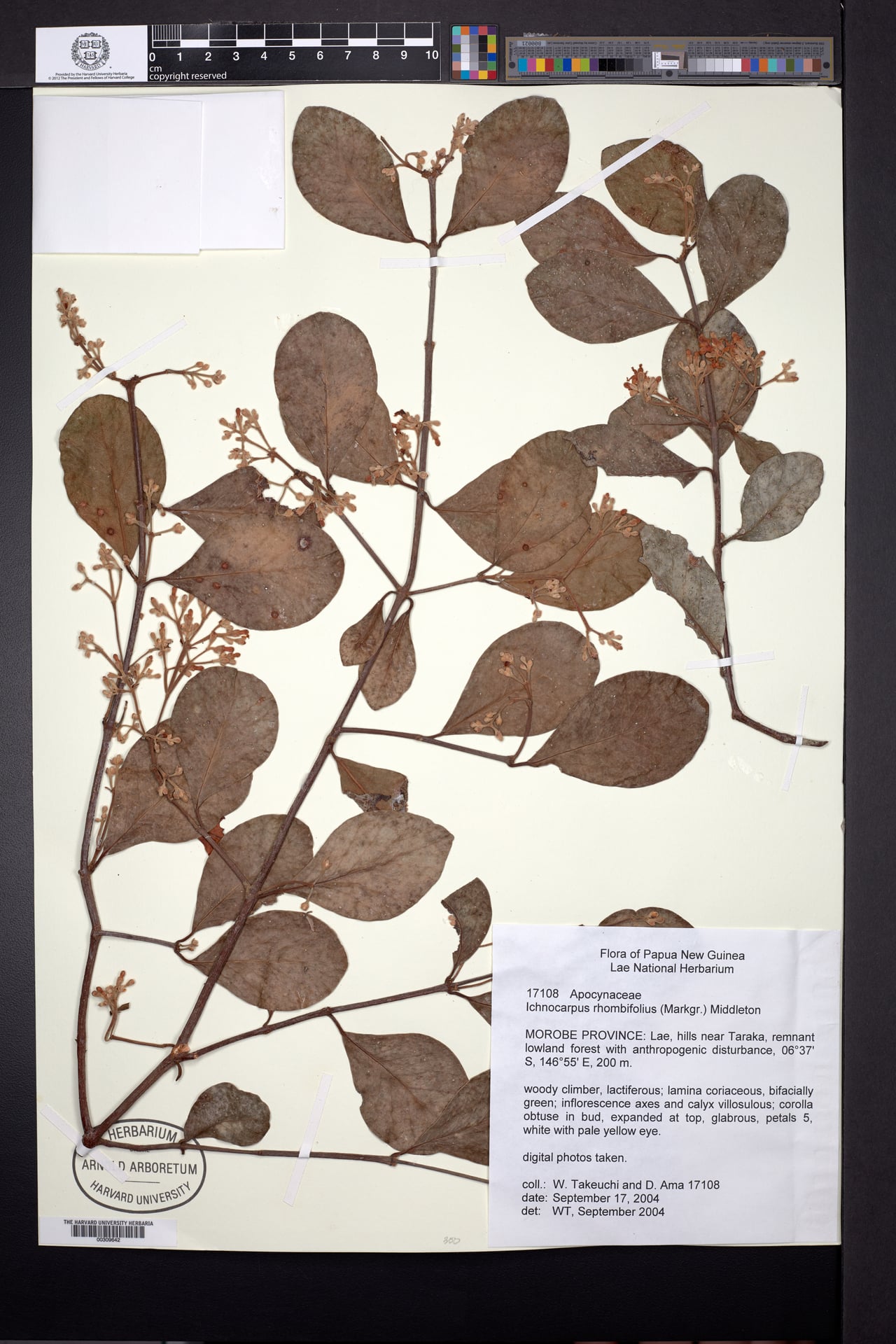
A creeper. It can grow 30 m long and be 32 cm around. The young stems have grey hairs. The leaves are leathery. The leaf blade is 7-12 cm long by 3-6 cm wide. It tapers to the tip. There can be a few to many flowers in a group. The flowers are white to yellow with a pink tube. The fruit are 12 cm across. They are orange. The seeds are 8-2 mm long.
Edible Uses
Fruit - raw. A somewhat apricot-like flavour. The fruit is a yellow, globose or pear-shaped berry, 7 - 15cm in diameter, containing 4 - 20 relatively large seeds.
Distribution
A tropical plant. It grows in dense forest.
Where It Grows
Africa, Central Africa, Central African Republic, CAR, Congo DR, East Africa, Gabon, Nigeria, West Africa, Zambia,
Cultivation
Fruits probably take a year from flowering to develop and ripen.
Synonyms
Also Known As
Kpase, Limbembe, Tololo
References (6)
- Bircher, A. G. & Bircher, W. H., 2000, Encyclopedia of Fruit Trees and Edible Flowering Plants in Egypt and the Subtropics. AUC Press. p 27
- Burkill, H. M., 1985, The useful plants of west tropical Africa, Vol. 1. Kew.
- Flora Zambesiaca. http://apps.kew.org/efloras
- Jardin, C., 1970, List of Foods Used In Africa, FAO Nutrition Information Document Series No 2.p 120
- Malaisse, F., 1997, Se nourrir en floret claire africaine. Approche ecologique et nutritionnelle. CTA., p 91.
Show all 6 references Hide references
- Mosango M., Szafranski F., 1985, Plantes sauvages à fruits comestibles dans les environs de Kisangani (Zaïre). In: Journal d'agriculture traditionnelle et de botanique appliquée, 32e année, pp. 177-190