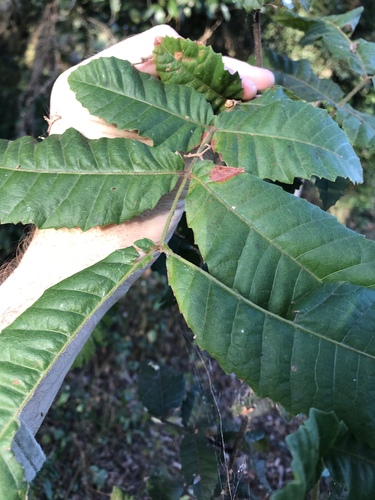
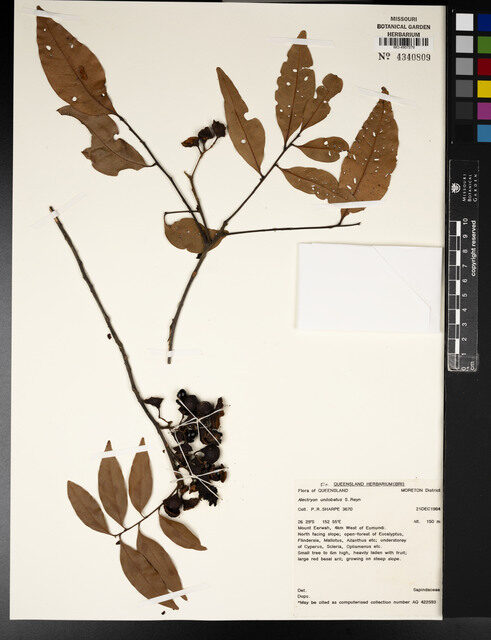
Cardiospermum halicacabum
L.
Heart seed, Heart pea
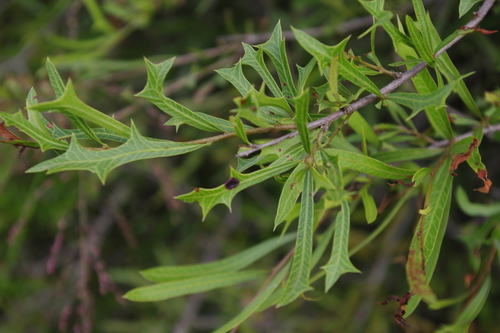
iNaturalist· cc-by-nc-sa
(c) Kuan-Chieh (Chuck) Hung, some rights reserved (CC BY-NC-SA), uploaded by Kuan-Chieh (Chuck) Hung
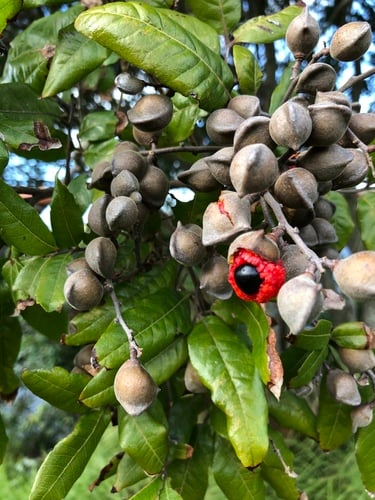
iNaturalist· cc-by-nc
(c) Aditya Bari, some rights reserved (CC BY-NC), uploaded by Aditya Bari
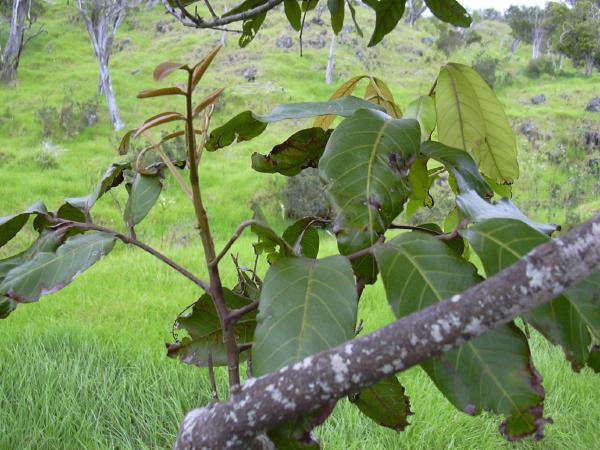
iNaturalist· cc-by-nc-sa
(c) Pete Romfh, some rights reserved (CC BY-NC-SA), uploaded by Pete Romfh
Summary
Source: WikipediaCardiospermum halicacabum, known as the lesser balloon vine, balloon plant or love in a puff, is a climbing plant widely distributed across tropical and subtropical areas of Africa, Australia, South Asia and North America that is often found as a weed along roads and rivers.
Description
A straggling vine or climber. It can be an annual or perennial. It has a woody base and tendrils. It grows 3-5 m long. The stems are angular and very hairy. The leaves are 15-20 cm long. The leaves have 3 leaflets. The leaflets have 3 lobes which are oval and have coarse teeth. They are light green, thin and hairy. The leaflets are 0.5-2 cm wide. The flowers have 4 white petals. The flowers are borne in groups of 3 or 4. The flowers are 7 cm long. The flowers have a delicate scent. The fruit is a 3 cornered, balloon-like capsule with 6 prominent ribs. They are pale green and become papery when ripe. They are 2-3 cm long. They split to release 1-3 black seeds. The seeds are 5 mm across. They are attached to the centre of a papery wing.
Edible Uses
Leaves and young shoots are edible cooked and used as a spinach. The leaves, seeds, fruit, and stems are also noted as edible parts.
Traditional Uses
The leaves and young shoots are eaten as greens. The fruit pulp is used as the base for a drink. An edible oil can be obtained from the seeds.
This uses section is brief — help expand it
Medicinal Uses
The whole plant is diaphoretic, diuretic, emetic, emmenagogue, laxative, refrigerant, rubefacient, stomachic, and sudorific. It is used in treating rheumatism, nervous diseases, stiffness of the limbs, and snakebite. The leaves are rubefacient and applied as a poultice for rheumatism; a tea made from them treats itchy skin, and salted leaves are used as a poultice on swellings. Leaf juice has been used for earache. The root is diaphoretic, diuretic, emmenagogue, laxative, and rubefacient, and is occasionally used for rheumatism, lumbago, and nervous diseases.
Known Hazards
None known.
Distribution
A tropical plant. It grows in rocky areas or on clay pans. It grows in the topics and into the subtropics. It is drought resistant but frost tender. In Nepal it grows up to 1500 m altitude. In Peru it grows between 3,000 to 3,300 m above sea level. It can grow in arid places.
Where It Grows
Africa, Angola, Anguilla, Argentina, Asia, Australia, Bahamas, Bangladesh, Bermuda, Bhutan, Bolivia, Botswana, Brazil, Burkina Faso, Burundi, Cambodia, Cameroon, Cape Verde, Central Africa, Central America, Chile, China, Colombia, Comoros, Congo, Côte d'Ivoire, Cuba, Cyprus, Dominica, Dominican Republic, East Africa, East Timor, Ecuador, Egypt, Equatorial-Guinea, Eswatini, Ethiopia, Europe, Fiji, Ghana, Greece, Grenada, Guatemala, Guiana, Guianas, Guinea, Guinée, Guinea-Bissau, Guyana, Haiti, Hawaii, Himalayas, India, Indochina, Indonesia, Iraq, Ivory Coast, Jamaica, Japan, Kenya, Korea, Laos, Lesotho, Liberia, Madagascar, Malawi, Malaysia, Maldives, Mali, Marquesas, Mediterranean, Mexico, Middle East, Mozambique, Myanmar, Namibia, Nepal, New Caledonia, Nigeria, North Africa, North America, Oman, Pacific, Pakistan, Papua New Guinea, PNG, Paraguay, Peru, Philippines, Puerto Rico, Rwanda, Samoa, Sao Tome and Principe, Saudi Arabia, SE Asia, Senegal, Seychelles, Sierra Leone, Solomon Islands, Somalia, South Africa, Southern Africa, South America, Spain, Sri Lanka, St Helena, Sudan, Suriname, Swaziland, Taiwan, Tanzania, Thailand, Timor-Leste, Togo, Tonga, Uganda, Uruguay, USA, Vanuatu, Venezuela, Vietnam, West Africa, West Indies, Yemen, Zambia, Zimbabwe,
Cultivation
Plants are grown from seed. They germinate easily. It can also be grown from stem cuttings.
Propagation
Sow seed in spring in a greenhouse. Germination usually takes place within 3–4 weeks at 20°C. Once large enough to handle, prick seedlings out into individual pots and grow on in a greenhouse for at least their first winter. Plant out into permanent positions in late spring or early summer, after the last expected frosts.
Other Uses
Grown as an ornamental. The plant is among the Ten Sacred Flowers of Kerala State in India, collectively known as Dasapushpam.
Other Information
It is sold in Chinese herbal stores. It is a popular leaf in cooking in some places. It is not known if it is used as a food in Papua New Guinea.
Notes
There are 14 Cardiospermum species. They are tropical.
Nutrition
| Part | Moisture | kJ | kcal | Protein | Vit A | Vit C | Iron | Zinc |
|---|---|---|---|---|---|---|---|---|
| Leaves | — | 61 | 4.7 | 35 | — | — | — | — |
| Fruit | — | — | — | — | — | — | — | — |
Synonyms
Also Known As
Preferred Common Name: Balloonvine. Spanish: Revienta caballo. French: Pois de merveille. Portuguese: balaozinho. Cuba: farolito (var. halicacabum). Germany: Ballonrebe; Blasenerbse; Herzsame. Italy: Vesicaria del cuore. Netherlands: Blaaserwt. Other names: Ambeang baek, Balloon Vine, Buddakakara, Buputwane, Chenet, Fugamane, Ikhambi-leziduli, Kanphuti, Kapal-phodi, Kapal-phor, Karnasphota, Karolio, Kesh lahara, Khok-kra-om, Kok ka awm, Lataphatkari, Likhambilemamba, Love-in-a-puff, Moodacottan, Msendechare, Mudakkathan, Mudakkatran, Mudukottan, Nella goolisienda, Paria gunong, Poniu, Pwepwete, Rudda kankarakoo, Sibjhul, Umubogobogo, Winter cherry