Searsia ciliata
Licht. ex Schultes
Sour karee
iNaturalist· cc-by-nc-sa
(c) David Hoare, some rights reserved (CC BY-NC-SA), uploaded by David Hoare
iNaturalist· cc-by-nc-sa
(c) David Hoare, some rights reserved (CC BY-NC-SA), uploaded by David Hoare
iNaturalist· cc-by-nc-sa
(c) David Hoare, some rights reserved (CC BY-NC-SA), uploaded by David Hoare
Description
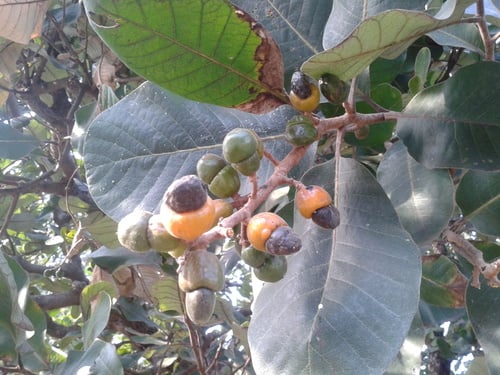
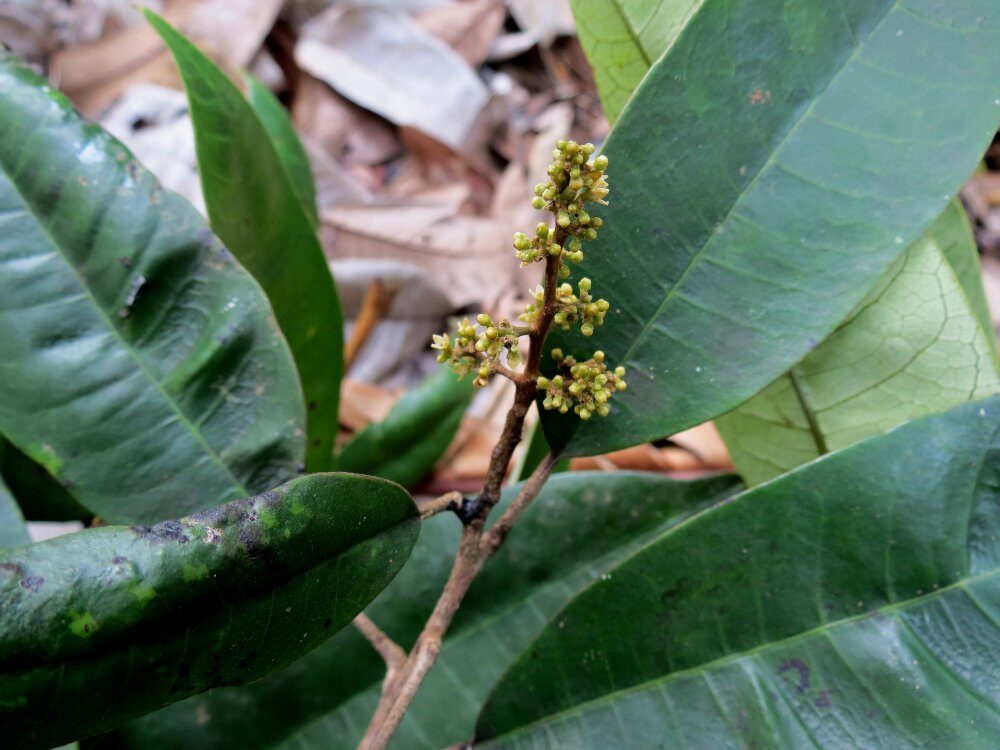
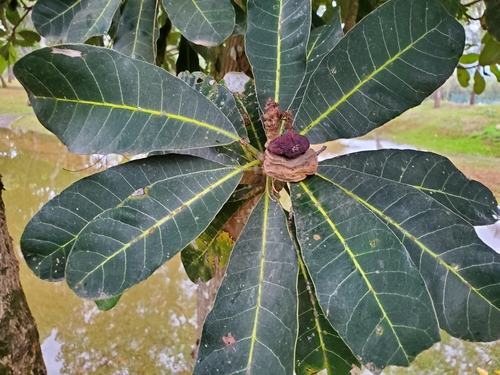
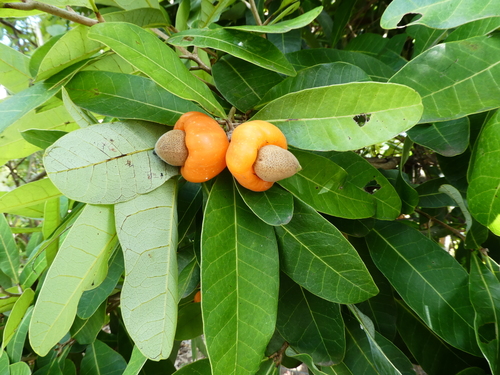
An erect evergreen shrub. It grows up to 2-5 m high. It keeps growing from year to year. It forms thickets. The trunk is slender, rough and brown. The crown is somewhat rounded. The stems can be spiny. The leaves have 3 leaflets and these are narrowly oval to triangle shaped. There can be teeth along the edge. They often have fine hairs. The flowers are small, yellow and star like. They are in a loose group at the ends of the branches. The fruit are brown and fleshy. They are 4-5 mm across. They are almost round but slightly flattened.
Edible Uses
The fruit are eaten raw.
Traditional Uses
The fruit are eaten raw.
This uses section is brief — help expand it
Distribution
It is a tropical plant. It grows in regions with a marked dry season. It can tolerate frost. It grows in areas with an annual rainfall of 100-500 mm. It is often on well drained limestone soils. In Southern Africa it grows between 300-1,650 m above sea level. It can grow in arid places.
Where It Grows
Africa, Botswana, Eswatini, Namibia, South Africa, Southern Africa, Swaziland,
Propagation
Seed - sow in a lightly shaded place in containers. Germination usually takes place within 4 - 6 weeks. Pot up the seedlings when they have 3 - 4 true leaves. The dried seed can be stored for 1 - 2 years.
Other Uses
The roots are a source of tannins. The plant is known as firebush in Namibia, where it is used to extinquish fires.
Synonyms
Also Known As
Okasauroro
References (7)
- Mannheimer, C. A. & Curtis. B.A. (eds), 2009, Le Roux and Muller's Field Guide to the Trees and Shrubs of Namibia. Windhoek: Macmillan Education Namibia. p 280
- Mill., A.J., 2001, Int. J. Pl. Sci. 162:1403
- Moffett, R. O., 2007, Name changes in the Old World Rhus and recognition of Searsia (Anacardiaceae). Bothalia 37,2: 165-175 (2007)
- Royal Botanic Gardens, Kew (1999). Survey of Economic Plants for Arid and Semi-Arid Lands (SEPASAL) database. Published on the Internet; http://www.rbgkew.org.uk/ceb/sepasal/internet [Accessed 28th March 2011] (As Rhus ciliata)
- Ruiters-Welcome, A. K., 2019, Food plants of southern Africa. Ph.D. thesis. Univ. of Johannesburg p 15
Show all 7 references Hide references
- Welcome, A. K. & Van Wyk, B.-E., 2019, An inventory and analysis of the food plants of southern Africa. South African Journal of Botany 122 (2019) 136–179
- World Checklist of Useful Plant Species 2020. Royal Botanic Gardens, Kew