Semecarpus atra
(G. Forst.) Vieillard
iNaturalist· cc-by-nc
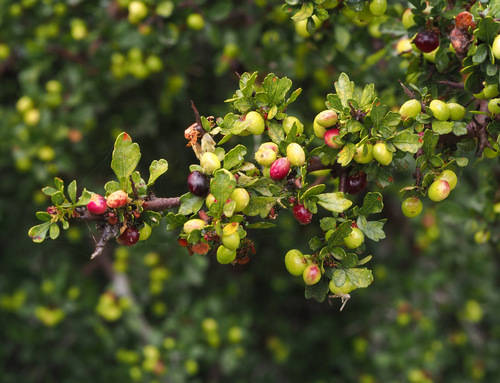
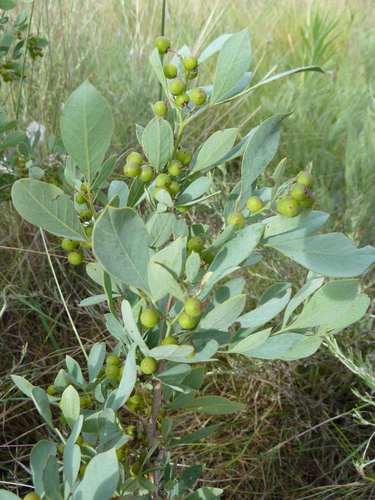
(c) Joey Santore, some rights reserved (CC BY-NC)
iNaturalist· cc-by-nc
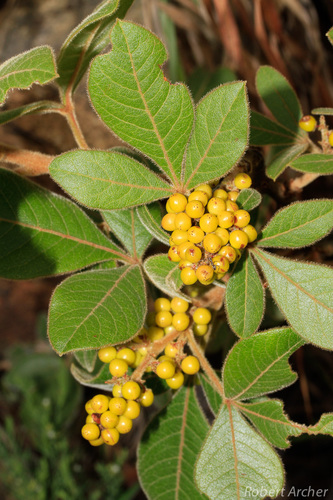
(c) Joey Santore, some rights reserved (CC BY-NC)
iNaturalist· cc-by-nc
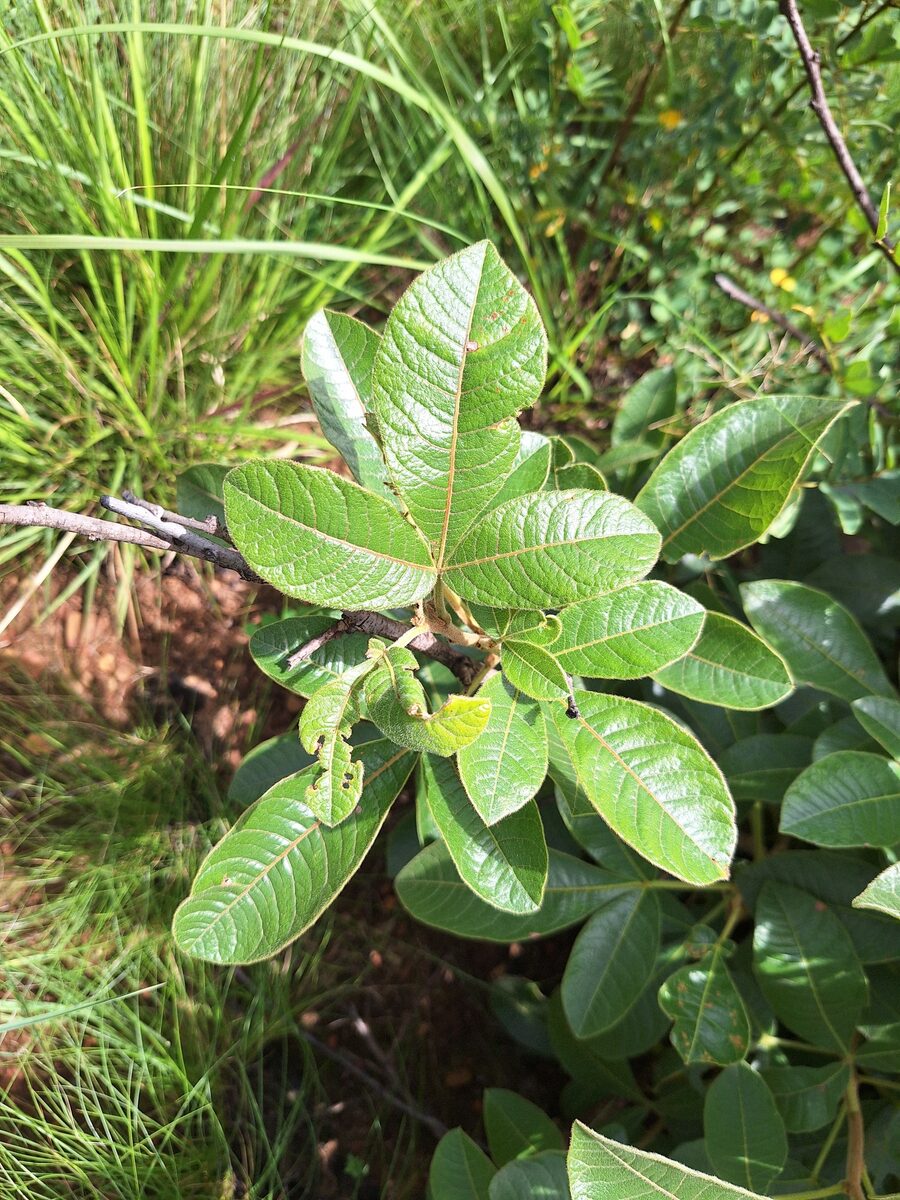
(c) Joey Santore, some rights reserved (CC BY-NC)
Description
A large tree. It can be 20-25 m tall. Male and female flowers are on different trees. The leaves are alternate and simple. The flowers are in groups at the ends of the branches. The flowers are cream coloured. The fruit are fleshy and kidney shaped. They are red when ripe.
Edible Uses
The kernels and seeds are eaten, and seed oil is extracted. The seeds are eaten in New Caledonia.
Traditional Uses
Caution: The tree can cause allergies.
This uses section is brief — help expand it
Known Hazards
The tree can cause allergies.
Distribution
A tropical plant. It grows in forests near streams and rivers. It can be close to mangroves.
Where It Grows
New Caledonia, Pacific, Vanuatu,
Production
Trees flower September to November and fruit November to January.
Other Information
The seeds are eaten in New Caledonia.
Synonyms
Also Known As
Awehlas, Chironji, Oleh, Walahi
References (6)
- Ann. Sci. Nat. Bot. ser. 4, 16:71. 1861 "atra"
- Barrau, J., 1976, Subsistence Agriculture in Melanesia. Bernice P. Bishop Museum, Bulletin 219 Honolulu Hawaii. Kraus reprint. p 54
- Cabalion, P. and Morat, P., 1983, Introduction le vegetation, la flore et aux noms vernaculaires de l'ile de Pentcoste (Vanuatu), In: Journal d'agriculture traditionnelle et de botanique appliquee JATBA Vol. 30, 3-4
- Massal, E. and Barrau, J., 1973, Food Plants of the South Sea Islands. SPC Technical Paper No 94. Noumea, New Caledonia. p 32
- Menninger, E.A., 1977, Edible Nuts of the World. Horticultural Books. Florida p 55
Show all 6 references Hide references
- Walter, A. & Sam C., 2002, Fruits of Oceania. ACIAR Monograph No. 85. Canberra. p 281 (As Semecarpus atra)