Cardamine gunnii
Hewson
Woodcress, Tuberous bittercress, Gunn's bittercress
gbif· cc-by-nc
GBIF
gbif· cc-by
GBIF
gbif· cc-by
Royal Botanic Gardens, Kew
Description
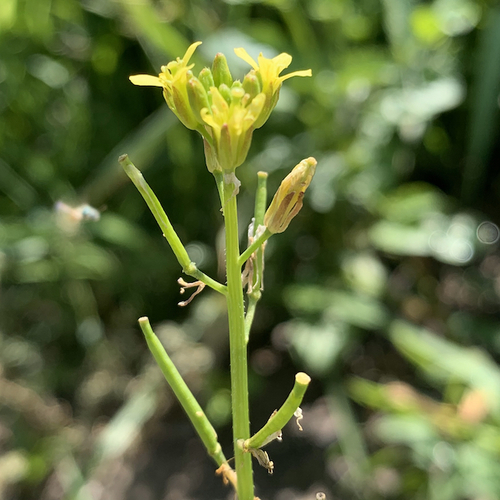
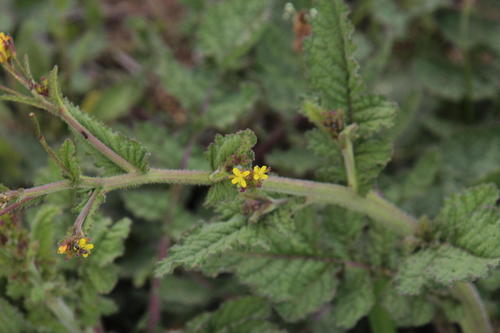
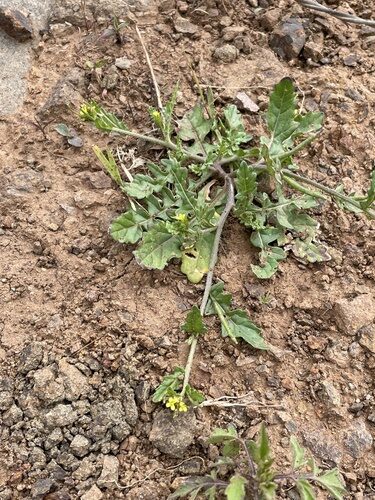
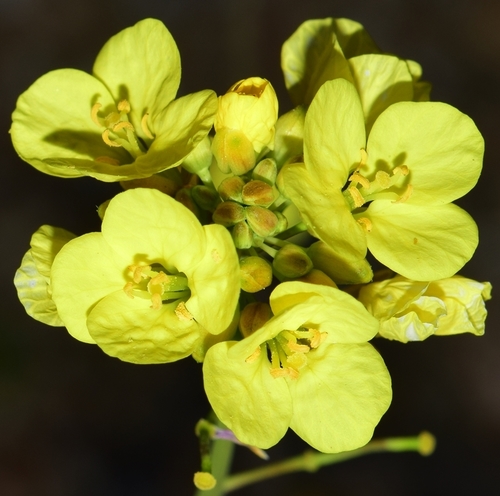
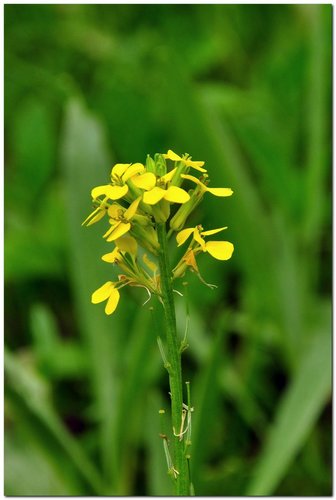
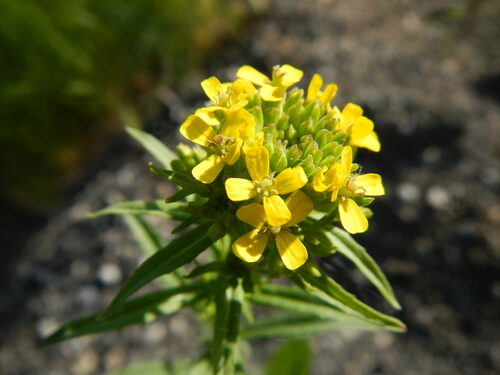
A cabbage family herb. It is a small herb. It has lower leaves in a ring. It keeps growing from year to year. It has spreading rhizomes or underground stems. It grows 10-15 cm high and spreads 10-20 cm wide. The leaves can vary in shaped. They may be spoon shaped and not have lobes or be rounded and have deep lobes. The flowers are white. The petals are rounded and 4-6 mm long. The sepals are purple with white marks. They occur in bunches at the ends of stems which do not have leaves. The fruit are narrow and 2-3 cm long. They are on spreading stems.
Edible Uses
The leaves are edible.
Distribution
It is a temperate plant. It grows in grassy, rocky places. It can grow from lower altitudes to mountains. Tasmania Herbarium.
Where It Grows
Australia*, Tasmania*,
Cultivation
It seeds easily. Plants grow from seeds.
Notes
There are about 160 Cardamine species. They are mostly in damp places in temperate regions.
Synonyms
References (6)
- Flora of Australia, Volume 8, Lecythidales to Batales, Australian Government Publishing Service, Canberra (1982) p 314
- Kirkpatrick, J., 1997, Alpine Tasmania, An Illustrated guide to the flora and vegetation. Oxford, p 80
- Low, T., 1991, Wild Food Plants of Australia. Australian Nature FieldGuide, Angus & Robertson. p 47
- Low, T., 1992, Bush Tucker. Australia’s Wild Food Harvest. Angus & Robertson. p 143
- Tasmanian Herbarium Vascular Plants list p 16
Show all 6 references Hide references
- Whiting, J. et al, 2004, Tasmania's Natural Flora. Tasmania's Natural Flora Editorial Committee PO Box 194, Ulverstone, Tasmania, Australia 7315 p 79