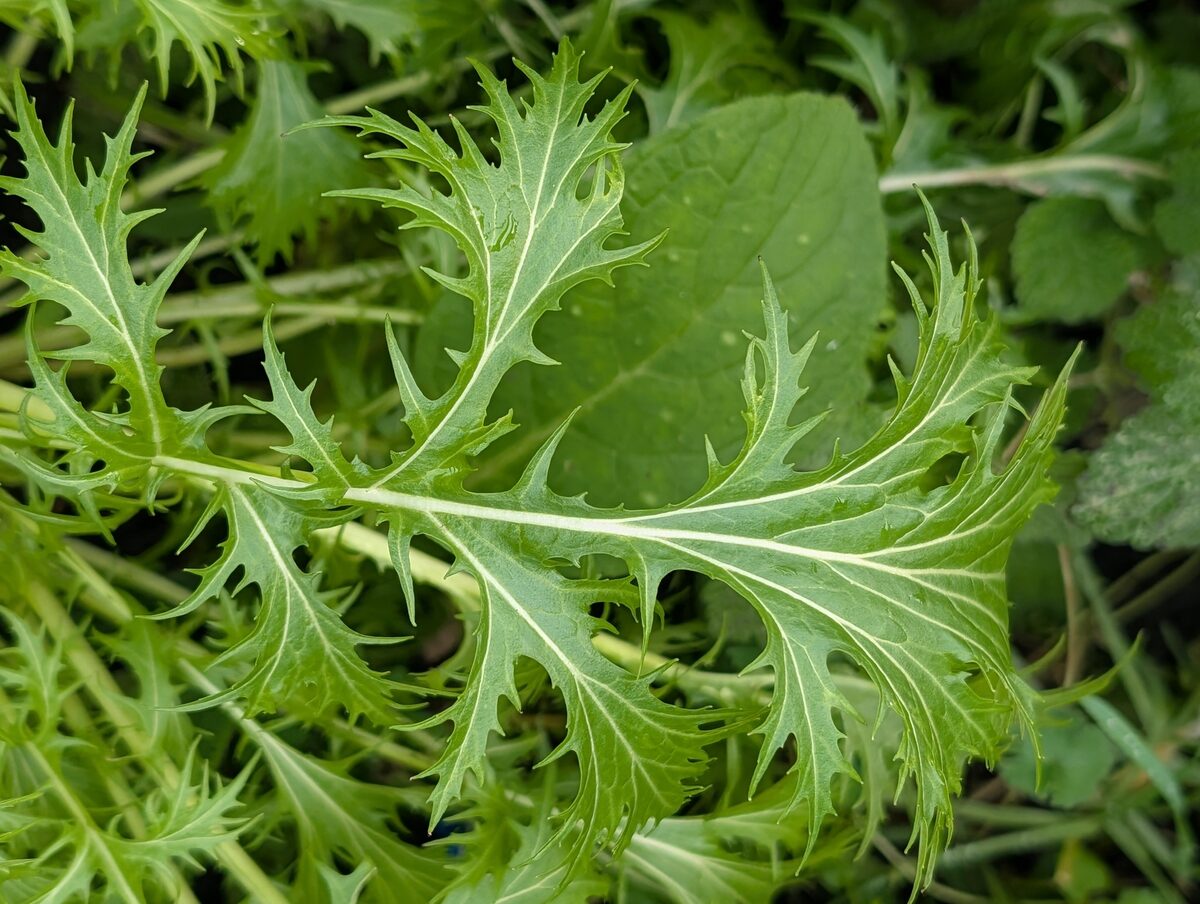
Stanleya albescens
Jones
White Prince's plume
iNaturalist· cc-by-nc
(c) Phil Krening, some rights reserved (CC BY-NC), uploaded by Phil Krening
iNaturalist· cc-by-nc
(c) FrontRangeWildflowers, some rights reserved (CC BY-NC)
iNaturalist· cc-by-nc
(c) FrontRangeWildflowers, some rights reserved (CC BY-NC)
Summary
Source: WikipediaA perennial hardy to UK zone 7. Hermaphroditic flowers are insect-pollinated. Grows in light sandy or medium loamy soils with good drainage and accepts mildly acidic to mildly alkaline pH. Requires full sun and tolerates dry or moist soil conditions.
Description
A perennial hardy to UK zone 7. Hermaphroditic flowers are insect-pollinated. Grows in light sandy or medium loamy soils with good drainage and accepts mildly acidic to mildly alkaline pH. Requires full sun and tolerates dry or moist soil conditions.
Edible Uses
Seeds are cooked and used as a piñole. Young leaves and shoots are gathered in spring and eaten as cooked greens.
Traditional Uses
Caution: Fresh leaves are considered poisonous. The young leaves are boiled in 2 or 3 changes of water then eaten.
This uses section is brief — help expand it
Medicinal Uses
None known
Distribution
It is a temperate plant.
Where It Grows
North America, USA,
Cultivation
We have very little information on this species and do not know if it will be hardy outdoors in Britain, though judging by its native range it should succeed outdoors at least in the milder parts of the country. The following notes are based on the general needs of the genus. Requires a perfectly drained soil in full sun. Plants resent root disturbance.
Propagation
Sow seed in spring in a greenhouse; germination should occur within 3 weeks. Pot seedlings into individual pots as soon as they are large enough to handle, to protect the root system, then plant out in summer. Division in spring may also be possible.
Other Uses
None known
References (4)
- Beckstrom-Sternberg, Stephen M., and James A. Duke. "The Foodplant Database." http://probe.nalusda.gov:8300/cgi-bin/browse/foodplantdb.(ACEDB version 4.0 - data version July 1994)
- Moerman, D. F., 2010, Native American Ethnobotany. Timber Press. p 543
- Plants for a Future database, The Field, Penpol, Lostwithiel, Cornwall, PL22 0NG, UK. http://www.scs.leeds.ac.uk/pfaf/
- World Checklist of Useful Plant Species 2020. Royal Botanic Gardens, Kew